
 E-Paper



Panel named, what’s next for justice Varma?
As the Lok Sabha formed the panel, the impeachment proceedings will start in the Lower House where justice Varma will be allowed to defend himself before the MPs speak on the issue.

 Prefer HTon Google


Lok Sabha Speaker Om Birla on Tuesday initiated impeachment proceedings against former Delhi high court judge Yashwant Varma with the formation of a three-member committee, comprised of Supreme Court judge Arvind Kumar, chief justice of the Madras high court Manindra Mohan Shrivastava and jurist BV Acharya from Karnataka, to independently probe accusations of justice Varma keeping an undisclosed sum of money at his official residence.
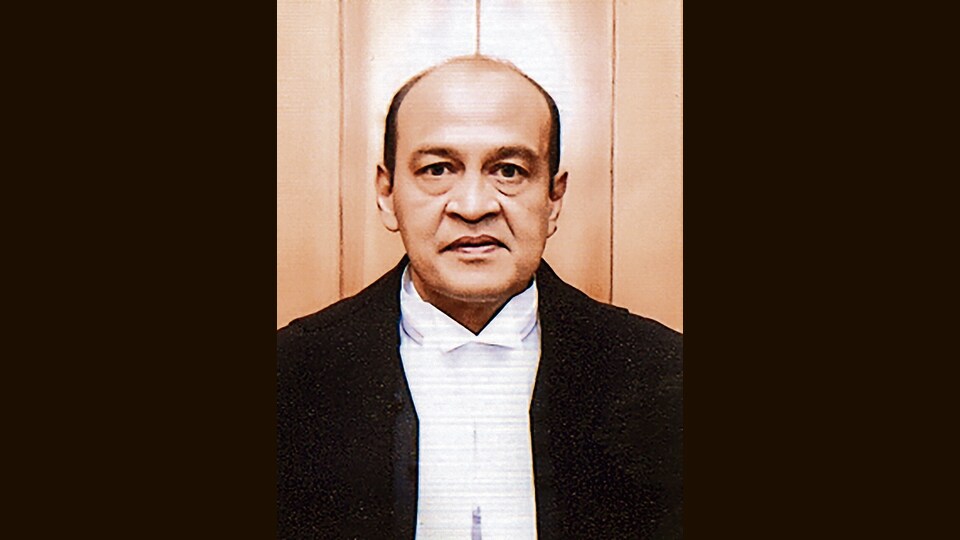
Justice Varma will get three opportunities to defend himself. The probe panel may refer to the findings of the Supreme Court’s three-member committee and will be free to seek evidence from any agencies or authorities. The panel is expected to submit its report in three months, which means the impeachment proceedings will start in the winter session of Parliament, usually slated in November-December every year.
As the Lok Sabha formed the panel, the impeachment proceedings will start in the Lower House where justice Varma will be allowed to defend himself before the MPs speak on the issue. In the last impeachment process in Parliament, in which Calcutta high court judge Soumitra Sen faced proceedings in the Rajya Sabha, Sen was allowed to defend himself before the lawmakers argued their case. Sen’s impeachment was approved by the Upper House. He, however, resigned before the proceedings against him started in the Lower House.
Once the Lok Sabha gets the report, which will also include justice Varma’s defence, a suitable date will be decided after consulting the floor leaders for the impeachment proceedings. Justice Varma will be asked to remain present in Parliament but he will not sit inside the Lok Sabha chamber. Instead, he will be given a chair in the lobby, just outside the Lok Sabha chamber and a microphone. Justice Varma will have to stand, just as other MPs do, and address the House.
For removal of a judge, the provisions of clauses (4) and (5) of article 124 apply in relation to a high court as they apply in relation to the Supreme Court with the substitution of references to the Supreme Court with those to the high court.
Article 124 says, “A Judge of the Supreme Court shall not be removed from his office except by an order of the President passed after an address by each House of Parliament supported by a majority of the total membership of that House and by a majority of not less than two-third of the members of the House present and voting has been presented to the President in the same session for such removal on the ground of proved misbehaviour or incapacity.”
According to Lok Sabha officials, the proceedings usually continue over two days. If the Lower House approves justice Varma’s impeachment, the Rajya Sabha will start similar proceeding to impeach him. If both Houses approve the impeachment, Parliament will send a reference to President Droupadi Murmu, informing her about the impeachment.
To be sure, at any point during the impeachment, justice Varma can tender his resignation, which will automatically end the process. Even if he resigns, justice Varma will be entitled to all the post-retirement benefits of a high court judge, according to the rules.


