E-Paper



Pfizer donates $70 mn medical supplies to India, seeks quick vaccine approval
The supplies of items that are a part of India’s Covid-19 treatment protocol are being made from Pfizer’s distribution centres across US, Europe, and Asia

 Prefer HTon Google


US pharma giant Pfizer has donated medical supplies worth $70 million, including drugs to treat the coronavirus disease (Covid-19), to India, the company said in a statement on Monday, adding that it was in talks with the Indian government to expedite its Covid-19 vaccine approval.
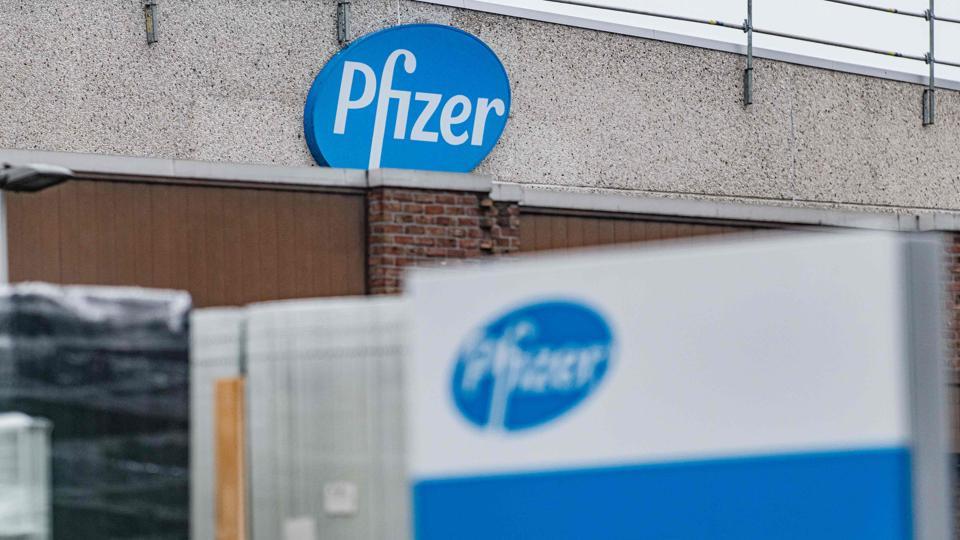
The supplies of items that are a part of India’s Covid-19 treatment protocol are being made from Pfizer’s distribution centres across US, Europe, and Asia, the firm added.
“These medicines, valued at more than $70 million, will be made available immediately, and we will work closely with the government and our NGO partners to get them to where they are needed most. This effort, in combination with Pfizer foundation funding that supports humanitarian organisations providing essential and life-saving equipment to India, such as ventilators, oxygen concentrators, and consumables, is our most comprehensive humanitarian relief response ever,” said Albert Bourla chairman and chief executive officer, Pfizer, in a statement.
“Pfizer is aware that access to vaccines is critical to ending this pandemic. Unfortunately, our vaccine is not registered in India although our application was submitted months ago. We are currently discussing with the Indian government an expedited approval pathway to make our Pfizer-BioNTECH vaccine available for use in the country,” Bourla added.
He said the effort -- he called it at attempt to mobilise the largest humanitarian relief effort in Pfizer’s history -- was being made because they were deeply concerned by the critical Covid situation in India. “…Pfizer colleagues at distribution centres in the US, Europe, and Asia are hard at work rushing shipments of Pfizer medicines that the government of India has identified as part of its Covid treatment protocol. We are donating these medicines to help make sure that every Covid patient in every public hospital... can have access to the Pfizer medicines they need free of charge...”