
 E-Paper



Positivity rate, active cases drop in Capital
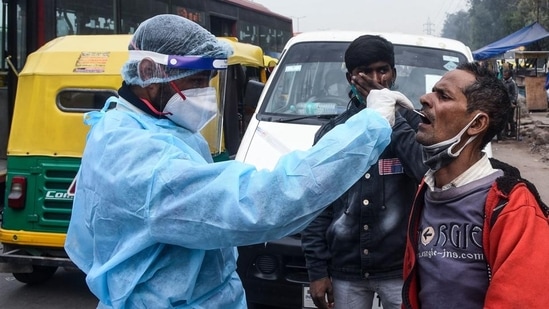
The number of new cases, according to the health bulletin on Saturday, were 11,486, up 6.7% from Friday’s number – but taking into account the 17.7% higher number of tests, the new cases translate to a drop in positivity rate from 18.04% to 16.34%.


From around one in three people who were testing positive more than a week ago to fewer than one in six on Saturday, the test positivity rate as well as the hospitalisation rate in the Capital has continued to drop, offering yet more signs that the current Covid outbreak is now under control.
The number of new cases, according to the health bulletin on Saturday, were 11,486, up 6.7% from Friday’s number – but taking into account the 17.7% higher number of tests, the new cases translate to a drop in positivity rate from 18.04% to 16.34%.
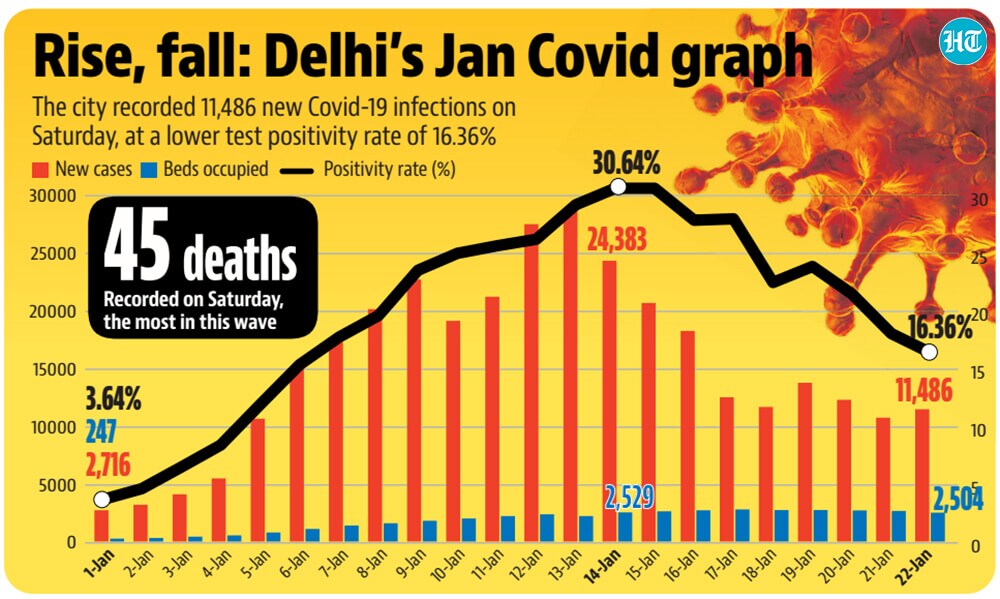
In all, 2,504 people with Covid-19 were in hospitals across the city. This number hit a peak of 2,784 on January 17, and has consistently dropped since then. The beds occupied on Saturday represented a little over 16% of the capacity available in the city at present. Even at its peak, the number of new cases in the current wave posed no threat to the city’s health care infrastructure – at least 80% of the Covid-19 earmarked hospital beds were vacant throughout, with more surge capacity being available if needed.
The city’s active cases on Saturday were down at 58,593, the lowest since January 8. This brings the hospitalisation rate as a share of active cases to a mere 4.2%.
“We have averted the worst of this wave but we are still cautious and are keeping a close watch on the numbers. We have also slashed the testing costs so that people can come forward and get themselves tested easily now. Even as the numbers are now declining, we urge people to continue to wear masks and follow all Covid protocols,” said Delhi health minister Satyendar Jain.
An expert said the trends, including the high hospital vacancy rates, reinforce the conclusion that the situation is stable, and make the case for some restrictions to be rolled back.
“The restrictions can be removed because it doesn’t help much, except for just creating a psychological consolation among people. The longer we impose the restrictions for, the longer it will take for the decline in cases,” Dr Jugal Kishore, head of department of community medicine at the Safdarjung Hospital said.
Delhi on Saturday recorded 45 Covid deaths, the highest in the Omicron wave so far. While details of these particular fatalities were not available, audits of fatalities by the government and assessments by a major private hospital network showed most fatalities this month to have been in people who were either unvaccinated or suffered from significant comorbid conditions.
The last time such a high death count was reported was on June 5, when the fatalities were 68.
Experts pointed out that the trend was particularly encouraging because with the new testing guidelines the positivity rates are bound to be higher than past test programmes since the Indian Council of Medical Research (ICMR) now advises tests to be targeted at those with symptoms.
“The revised ICMR guidelines said that in a community setting testing should be done for people who are either symptomatic or have been exposed to a confirmed Covid case, especially people above 60-years and those with comorbid conditions. So, we are supposed to test people that are likely to test positive,” said Dr Lalit Kant, former head of the epidemiology and communicable diseases department in Indian Council of Medical Research (ICMR).
On Friday, Jain described the drop in numbers as a sign that the “the grave danger of the coronavirus has subsided in Delhi” and said more decisions would taken on lifting more restrictions shortly. The minister said his government had written to the Delhi Disaster Management Authority headed by the lieutenant governor, who rejected two of the three demands -- to roll back the weekend curfew and allow all shops in a market to open.
Several states have rolled back curbs at similar levels of outbreak. Karnataka on Friday removed the weekend curfew after recording hospitalisation rate as a share of active cases of under 5%.
Maharashtra, earlier in the week, too decided to roll back some curbs, including allowing schools to reopen.
Schools in the Capital have been closed since late December.
There is now a growing clamour for the government to allow some more businesses to open, especially over the weekends. “When there was a need for such restrictions, all traders and market associations welcomed the weekend lockdowns and odd-even restrictions for shops. Even this time, when the third wave began, we did not say no and implemented all DDMA orders. But I must say that we are stretching the restrictions too far now because the positivity rate is declining, and most people are vaccinated,” said Ashwani Marwah, general secretary, Traders Association Lajpat Nagar (TALN).
“On January 15, when we were recording peak Covid infections, the positivity rate was 30.64%. Within a week, we have managed to bring down the positivity rate to half. This is also an indication that we were proactive in calling some curbs early, which also controlled the spread,” a senior health department official said, describing the trends as a big relief.
A senior administration official indicated that some curbs -- night curfew, weekend curfew, and shops opening on an odd-even basis in markets -- may be rolled back next week after a meeting of the DDMA.
(With Inputs from Sweta Goswami)


