E-Paper



Rain, heatwave, rain: Wet spell keeps Delhi's April weather in check, brings bearable end to month
The relatively moderate average this year, however, masks the month’s uneven pattern – with days alternating between spells of rain and sizzling heat.

 Prefer HTon Google


An unusually wet start to April appears to have helped keep Delhi’s heat in check in April, softening what is typically one of the Capital’s harsher months, even as a sharp spike in temperatures during the third week briefly pushed conditions into heatwave territory.
Data from the India Meteorological Department (IMD) showed that the mean maximum temperature for April, recorded till April 29, stood at 37°C – lower than last year’s 39°C and only marginally above the long-period average of 36.5°C. The figure matches 2024, while April 2023 had been significantly cooler at 35.3°C.
The relatively moderate average this year, however, masks the month’s uneven pattern – with days alternating between spells of rain and sizzling heat.
ALSO READ | ORS in schools, water in DTC buses: All about Delhi Heatwave Action Plan announced by CM Rekha Gupta
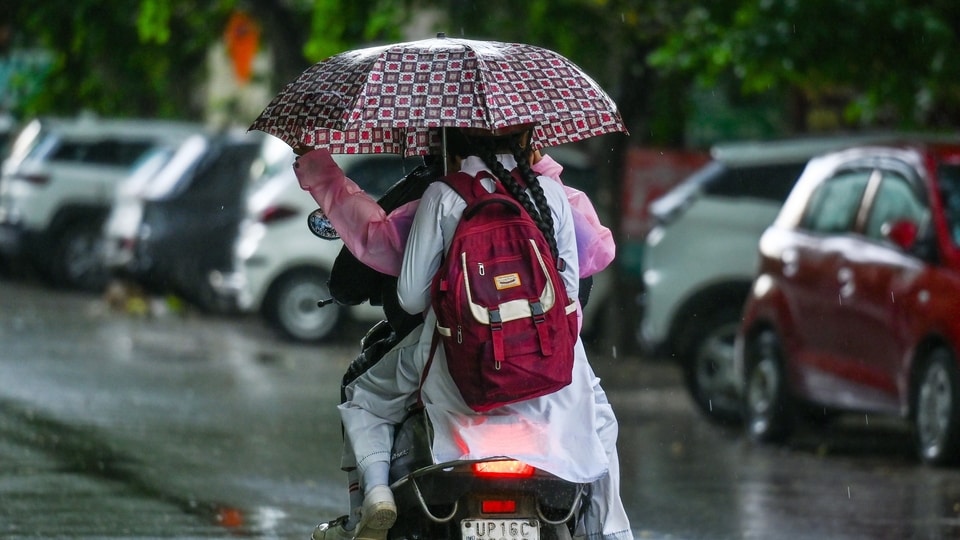
Part of the reason for the decline in the headline maximum temperature figure was rain. Delhi recorded around 30 mm of rain this April, nearly double the normal of 16.3 mm, making it the wettest April since 2008, when 38.8 mm was logged.
In contrast, April last year saw just 0.7 mm of rainfall, while 2024 recorded 7.5 mm and 2023 about 20.1 mm. Frequent showers in the first half of the month kept daytime temperatures below normal, delaying the onset of sustained heat.
This was most visible in the opening week, when four rainy days between April 1 and 8 prevented temperatures from rising sharply. The mercury began climbing thereafter, crossing the 40°C mark for the first time on April 16. What followed was a brief but intense spell of heat: the city recorded nine days above 40°C, including a three-day heatwave between April 23 and 25. On April 24, Safdarjung -- Delhi’s base weather station – recorded 42.8°C, the highest April temperature in four years.
A late-month western disturbance, however, brought cloud cover and spells of showers, pulling temperatures back below the 40°C mark in the past few days. Light rain was recorded across parts of the city on Wednesday, with Safdarjung and Palam receiving 1.8 mm each by morning, Lodhi Road 2.2 mm and Mungeshpur 5 mm. The maximum temperature settled at 37.1°C — two degrees below normal. “The first half was largely dominated by rainfall. In the second half, temperatures rose during a brief dry spell, but were again checked by fresh showers toward the end of the month,” said Mahesh Palawat of Skymet.
Forecasts suggest the trend may continue into early May, with chances of light rain and temperatures hovering between 35°C and 37°C.