
 E-Paper



India set to raise 26/11 accused Tahawwur Rana’s extradition during FBI chief visit
Federal Bureau of Investigation (FBI) director Christopher Wray will meet National Investigation Agency (NIA) chief Dinkar Gupta this week.

 Prefer HTon Google


New Delhi: When Federal Bureau of Investigation (FBI) director Christopher Wray meets National Investigation Agency (NIA) chief Dinkar Gupta this week, the latter will take up the issue of extradition of 26/11 Mumbai attacks co-conspirator Tahawwur Rana to India, people aware of the development said on Sunday.
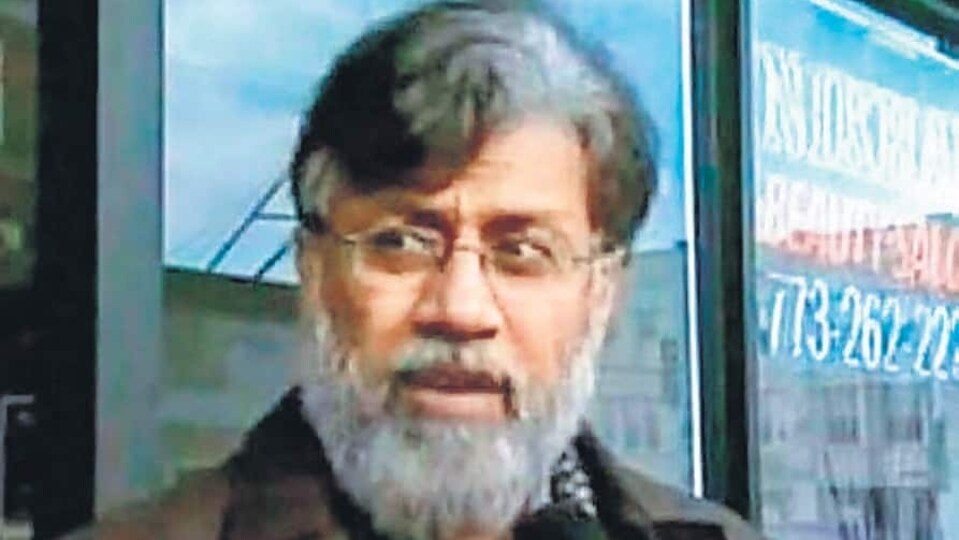
A US court had, in May, ordered the extradition of the Pakistani-origin Canadian businessman, who is accused of conspiring with David Coleman Headley during the 26/11 attacks, to India but he was allowed time to file a motion against the extradition.
Also Read: US court stays extradition of Mumbai terror attacks accused Tahawwur Rana
As part of his first official visit to Delhi on Monday and Tuesday, planned about five months ago, Wray will have one-on-one meetings with Gupta, Central Bureau of Investigation (CBI) director Praveen Sood, chiefs of central intelligence agencies, senior officials of the ministries of home and external affairs and a visit to the Delhi Police headquarters.
“Issue of mutual cooperation, sharing of information in critical cases, joint operations, mutual legal assistance treaty (MLAT) and extraditions, including those of Tahawwur Rana and Gurpatwant Singh Pannun will be part of the discussions. Although FBI and the US justice department have cooperated with India on the 26/11 Mumbai attacks and both sides are in regular touch, expediting Rana’s extradition to India is important,” said a senior official, who declined to be named.
Rana, 57, a Pakistan-born doctor-businessman had helped co-conspirator David Coleman Headley in reconnaissance of targets in Mumbai and allegedly planned attacks at National Defence College (NDC) and Chabad Houses. 166 people were killed in Mumbai attacks, considered the deadliest terror attack on India by Pakistan-backed terrorists. The FBI arrested Rana in Chicago on October 18, 2009, for providing material support to the conspiracy to commit terrorist acts including murder, kidnapping and maiming outside the US, in Mumbai and Copenhagen.
Also Read: India in touch with US on extradition of Tahawwur Rana: Foreign secretary Kwatra
Pannun’s regular threats to Indian leadership and citizens, propagating anti-India violent activities, activities of gangsters freely operating from US soil such as carrying out contract killings and extortions will also be raised, said a second officer, adding, “Punjab Police have also shared inputs on pro-Khalistan elements (PKEs) and gangsters”.
During the meeting between Sood and Wray, discussions are set to be around cyber-enabled financial crimes, criminals targeting American citizens by operating call centres in India, economic offenders of Indian origin having links here as well as the use of cryptocurrencies by criminal networks and terrorists.
The CBI and FBI have collaborated on catching several cyber-criminals involved in duping people under Operation Chakra-1 and Chakra-2 in the past year and a half.
Also Read: Mumbai cops file charge sheet against Canadian Tahawwur Rana for 26/11
“Inputs on Indian nationals running call centres targeting American citizens will also be exchanged,” said the second officer cited above.
Indian agencies, this officer added, are looking for a “level-playing field on sharing of information, especially from US-based tech giants and social media companies as well as the extradition of wanted persons”.
Although the government has already formed a high-level committee to probe an alleged plot to kill Pannun in the US, Wray on his part is likely to further discuss the issue with Indian officials.
Delhi Police and the FBI had in April this year coordinated on bringing back gangster Deepak Boxer from Mexico. Senior officers in Delhi Police and the ministry of home affairs are likely to seek further cooperation on matters of cyber security, cyber-attacks on critical infrastructure by state and non-state actors.


