
 E-Paper



Don’t panic, says RBI as ₹2,000 window opens
The central bank has advised banks to maintain “daily data on deposit and exchange” of ₹2,000 banknotes in a specific format.

 Prefer HTon Google


New Delhi Reserve Bank of India (RBI) governor Shaktikanta Das on Monday said the withdrawal of ₹2,000 banknotes from circulation will have a “very, very marginal” impact on the economy, dismissed as “speculative” the idea that the ₹1,000 note could see a return, and seemed to suggest that there could be an extension for people such as those “outside India who may require time to exchange”.
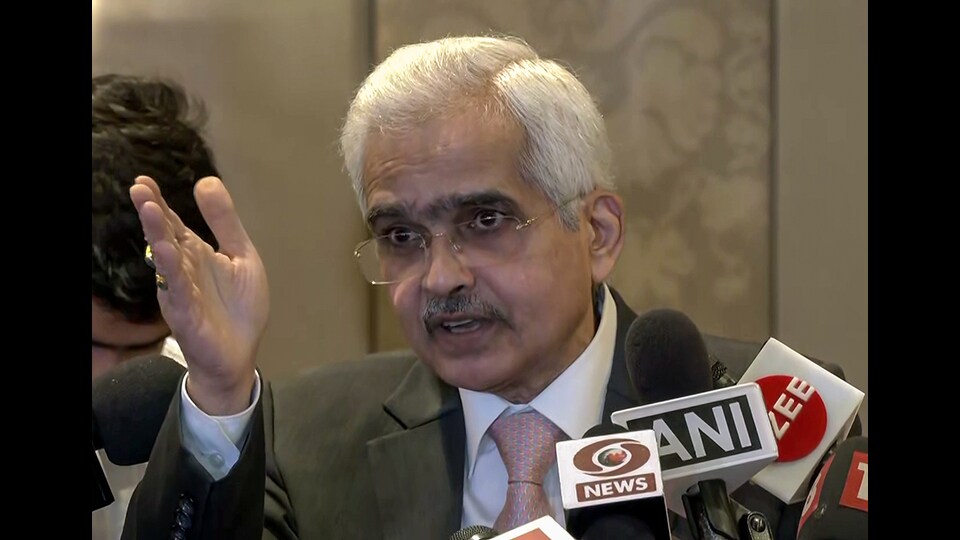
His comments came ahead of banks beginning to accept these notes for exchange from Tuesday.
Also Read: Banks gear up as exchange process for ₹2k notes starts today
Das also described the motive for the withdrawal as “currency management”, said the high denomination notes had fulfilled their purpose — rapid re-monetisation after the November 2016 demonetisation exercise — and added that the central bank expects most of the ₹3.62 lakh crore in circulation in ₹2,000 notes to return to the banking system.
RBI has advised banks to maintain “daily data on deposit and exchange” of ₹2,000 banknotes in a specific format, and provide waiting space in the shade, with drinking water facilities for customers from Tuesday.
“We expect most ₹2,000 bank notes to come back to the exchequer by September 30,” Das told reporters on Monday in Delhi. According to the governor, the withdrawal of ₹2,000 banknotes from circulation would not have any significant impact because — they constitute less than 11% of total currency in circulation, there are enough small denomination notes, in circulation and stock, and they (the ₹2,000 notes) will continue to enjoy legal tender status, allowing people to use them to buy goods and services.
Also Read: Banks in Delhi-NCR brace for ₹2,000 note exchange
In a note issued over the weekend, HSBC Research’s chief India economist Pranjul Bhandari said: “We are not expecting any disruption in economic activity on the back of this move. And neither are we expecting a significant rise in consumer spending with cash holders splurging to get rid of the notes.”
There is no reason for people to rush to banks for exchanging the notes, Das said, pointing to adequate availability of small denomination notes and a fairly long exchange window of more than four months that starts from Tuesday. He did not specifically comment on whether the high denomination notes would be legal tender beyond September 30 but said, “RBI will be sensitive to the requirements and adequacies of people; there may be people outside India who require time to exchange; we will look into all these issues and resolve them.”
The central bank on Friday announced withdrawal of the ₹2,000 denomination notes from circulation. A government official aware of the development added that the September 30 deadline and the status of legal tender could be reviewed in the due course. “Banks will start the process for exchange and deposit of ₹2,000 notes from May 23. They will resolve any issue emerging in the process, so that customers are not inconvenienced,” he said requesting anonymity. While withdrawal of any banknote from circulation is part of RBI’s currency management, withdrawing legal tender status requires the government’s approval, he added.
Also Read: RBI to reintroduce ₹1,000 currency notes? Governor Shaktikanta Das responds
Das said the deadline was to ensure people take the matter seriously. “If we keep it open-ended, it may not be taken seriously.”
RBI first stopped printing ₹2,000 notes in 2018-19 and then started reducing it from circulation. Thus, the total value of these banknotes in circulation fell to ₹3.62 lakh crore or 10.8% of all notes on March 31, 2023 from ₹6.73 lakh crore on March 31, 2018 (or 37.3%).
Das said the large denomination notes were not used for day-to-day transactions. “We found that it is hardly being used for carrying out transactions. Therefore, economic activity will not be impacted,” he said.
He said most of the ₹2,000 notes are expected to come back. “That is our expectation at this stage. We will see how many notes come back. And as we approach September 30, we will decide at that stage,” he said, adding that people should not panic because they have more than four months to exchange these notes or deposit them in banks.
He also clarified that while RBI has not specified any additional procedure for depositing the notes, bearers will have to follow the existing rules. “You must be aware that there’s an income tax rule if you deposit cash above ₹50,000 then you have to produce your PAN. So existing rules will apply,” he said.


