E-Paper



Dissenters like Umar Khalid jailed, killers walk free: Ex-Delhi HC judge
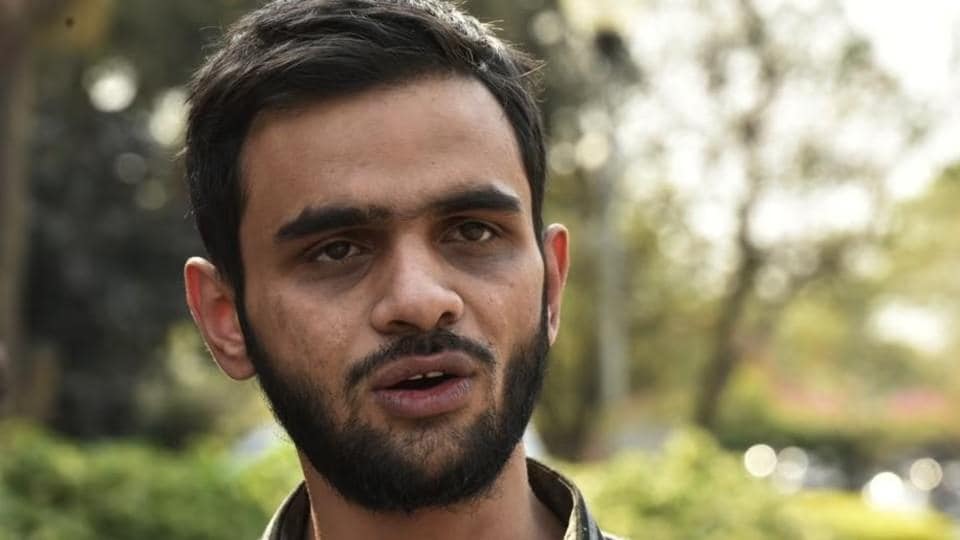
“One of the most publicised detentions has been that of Umar Khalid. He has been under trial for seven years while some of the worst kind of offenders”

 Prefer HTon Google


Former Chief Justice of the Delhi high court justice AP Shah on Friday hit out at the continued incarceration of Umar Khalid, an accused in a Unlawful Activities Prevention Act (UAPA) case concerning the 2020 Delhi riots who is said was still in jail for being a ‘political dissenter.’
Justice Shah, who was speaking in Goa at an event on the ‘Judiciary’s Role in Protecting Civil Liberties’ organised by the High Court Bar Association said that he was “very concerned” that “while there are definitely some independent minded judges all over India, we should be worried that this number is shrinking by the day.”
“One of the most publicised detentions has been that of Umar Khalid. He has been under trial for seven years while some of the worst kind of offenders including violent murderers are granted bail or remissions with remarkable skill—including one godman from north India—but political dissenters like Khalid languish behind bars,” Justice Shah said.
Justice Shah also flagged the judiciary’s shortcomings in preventing the right to free speech, protecting against extrajudicial bulldozer demolitions and encounter killings and the recent prosecution of students who took part in the CJP protests to highlight the fact that the judiciary isn’t guarding the country’s personal liberties as it should.
“Surely the best way to counter criticism is not to shut it down, but to engage and respond to the speaker, but this seems to have been forgotten by the powers that be in the country today. Unfortunately, today all kinds of laws and tools are being used against activists, dissenters, political cartoonists to silence and harass them,” he said adding that “if a collective of young persons demands the resignation of a politician, demanding accountability, they face criminal FIRs and lathi-charges.”
“If media houses are critical of the incumbent government they are faced with tax cases and financial scrutiny. Even years later after intense harassment, they are finally granted relief. There are many news houses which are now cleared, they said the allegations are completely baseless, but they were harassed for years together,” he said.
He pointed out how the Supreme Court too has stopped short of enforcing its own orders in cases like that of the bulldozer demolitions which he said states continue to “defy with impunity.”
“The bulldozer today is a symbol of power wielded without sanction and authority. Here the state acts as all in one, investigator, prosecutor, judge and executioner and uses literally bulldozers to threaten the homes of accused individuals without trial. Beyond the demolition itself the lives of entire families and communities are destroyed. From 2019 to 2023 there was an increase of 317% of forced demolition-related evictions. 89% homes demolished in 2022 and 2023 belonged to either Muslims, STs, SC, or OBC,” he said.
“Recently when hearing a batch of contempt petitions alleging that state authorities had flouted directions on arbitrary demolitions, the court remitted the pleas back to the respective high courts directing them to decide the pleas within four months without recording any opinion on merits. This despite counsel arguing that victims were picked and chosen. This begs the question: What is the real value of a guideline judgement? If the Court that issued it itself declines to enforce it? High Courts, we have seen, keep matters pending and in the meanwhile bulldozer victims have lost their homes and place of shelter. Who will give them the relief they need?” he also said.
“Judges do not need to become heroic activists. They simply need to focus on doing their job, independently and fearlessly, maintaining fidelity to the rules of law, principles of natural justice and constitutional morality,” he also said.