
 E-Paper



Reconsider 50 per cent cap on quotas, Supreme Court bench told
Lawyers including Mukul Rohatgi and Kapil Sibal submitted before a 3-judge bench headed by justice L Nageswara Rao that a Constitution bench should be constituted to examine the 50% cap laid down by the 1992 judgment in Indra Sawhney v. Union of India, delivered by a bench of nine judges.

 Prefer HTon Google


The 50% threshold on reservation for Scheduled Castes (SCs), Scheduled Tribes (STs) and Other Backward castes (OBCs) in public service and educational institutions mandated by a 1992 judgment of the Supreme Court should be re-examined, a slew of senior counsel urged the top court on Wednesday.
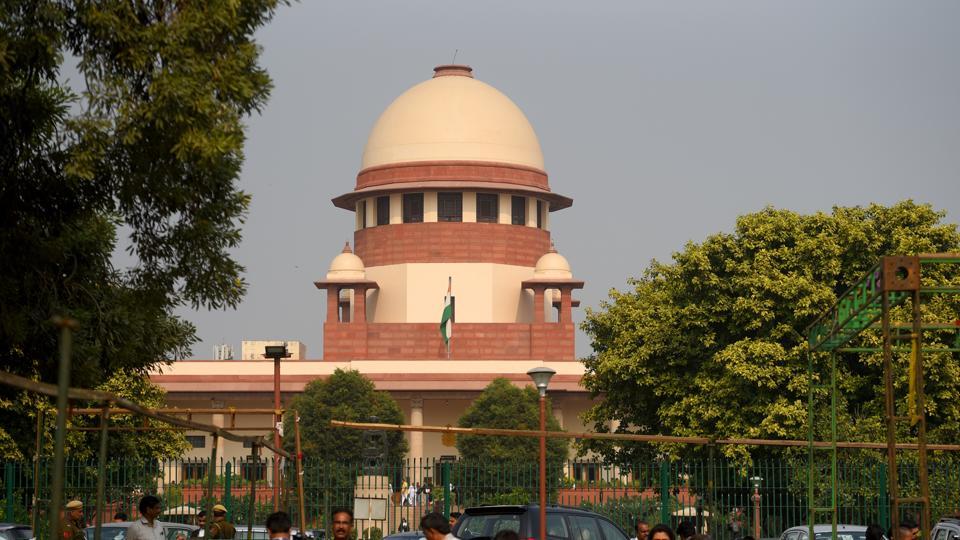
Lawyers including Mukul Rohatgi and Kapil Sibal submitted before a 3-judge bench headed by justice L Nageswara Rao that a Constitution bench should be constituted to examine the 50% cap laid down by the 1992 judgment in Indra Sawhney v. Union of India, delivered by a bench of nine judges. “The matter has to go before a 11-judge bench. 50 percent criterion was evolved through judicial decision making. 85%(people) in Maharashtra belong to backward classes,” Sibal told the bench which also consisted of justices Hemant Gupta and S Ravindra Bhat.
The court was hearing a plea challenging a 2018 Maharashtra law granting reservation benefits to Maratha community in educational institutions and government jobs.
Sibal, who was appearing for one of the applicants Rajendra Datey Patil, also submitted that reservation in 28 states exceed the 50% threshold after the central government enabled grant of 10 percent reservation to Economically Weaker sections (EWS). He said any judgment of the Supreme Court in this regard will affect those states.
“So notice should be issued to all states and they should be heard,” he said. The law under challenge, the Maharashtra State Reservation for Socially and Educationally Backward Classes Act (Maharashtra SEBC Act) originally provided 16% reservation to Maratha community in educational institutions and government jobs. This law was challenged before the Bombay High Court which, in June 2019, upheld the validity of the law but reduced the quota to 12 per cent in admissions to educational institutions and 13 per cent in jobs.
The petitions have challenged the law on the ground that it breaches the 50% threshold.


