
 E-Paper



Renaming places in Arunachal is part of China's cultural expansion
After the Doklam stand-off, the Chinese have renamed as many as 82 cities and geographical regions in Arunachal Pradesh.

 Prefer HTon Google


Even though the Modi government this month has rejected the latest Chinese renaming of 23 places in Arunachal Pradesh with utter contempt, the move reveals the cartographical and cultural expansion mindset of the Xi Jinping regime. It indicates that Beijing always places its land claims on top priority while talking about increased economic cooperation with India as part of its win-win play with New Delhi. India’s current trade deficit stands over 150 billion dollars with China and this includes the trade with Chinese territory Hong Kong.
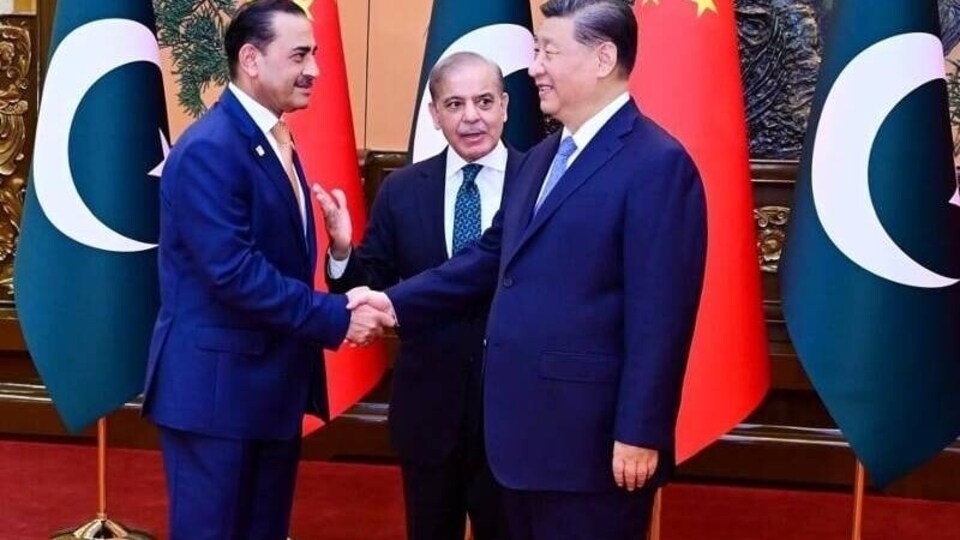
Since 2017, after the Doklam stand-off, the Chinese have renamed as many as 82 cities and geographical regions in Arunachal Pradesh with the last tranche of 23 names released on April 10, 2026. While the Ministry of External Affairs has reiterated that such action do not change the ground reality, the move is clearly part of pressure tactics on part of China, which ludicrously claims Arunachal Pradesh as part of South Tibet. It is another matter, Tibet itself was occupied with brute force by China in 1950 and subsequently the claim was recognized by the Nehru government in a Himalayan blunder.
While many retired and serving bureaucrats promote that India should strengthen economic ties with China, the same want the Modi government to do a reality check of Indian relationship with US. They, however, have no answer to China’s repeated territorial claims over Indian land, the cultural and military expansion over the years lest it annoys the Communist regime in Beijing. This group not only sweeps all diplomatic and military indiscretions done by China or even by Russia over the years, while highlighting each and every misdemeanor by the US administrations. The ever strengthening China-Pakistan military and civil axis is ignored but the US-Pak axis is publicly called a betrayal of India, revealing the lop-sided thinking of Indian retired babus turned experts. It is another matter, that children of all these mandarins study and work in the west, particularly the US and not in China or even Russia.
Even though the promoters of China within India want closer ties with Communist China, fact is that no military de-escalation has taken place in East Ladakh and PLA is hyper active in Chumbi Valley and trying to expand alongside Amuchu river, a tributary of Teesta river in Siliguri corridor, at the cost of passive Bhutan. China is supplying Yuan class submarines, frigates and surveillance ships to Pakistan to address the maritime asymmetry with India and helping Rawalpindi develop a 3000 km surface to surface missile to cover entire India. One must not forget that hardly anyone came to India’s military aid when the PLA launched aggression in East Ladakh in May 2020.
Given the fact that Pakistan today is in bed with both the US and China, India will have to cater for a two front offensive as China is in no mood to give up the 1959 line in East Ladakh as well as claims on Arunachal Pradesh. The Indian answer lies in better preparedness which is based on actual intelligence on what is happening within Communist China and how President Xi Jinping is moving China to global pole position. India must stick to its position that a peace and tranquil border is the first step towards stable ties and not better trade with Beijing.


