E-Paper



Right to travel abroad cannot be viewed in isolation, says Supreme Court
The court stressed that while the Constitution guarantees personal liberty, including the right to travel abroad, “such right cannot be viewed in isolation”.

 Prefer HTon Google


The Supreme Court has underlined that the fundamental right to travel abroad cannot be viewed in isolation and must be balanced against the equally important right of victims and their families to a speedy trial.
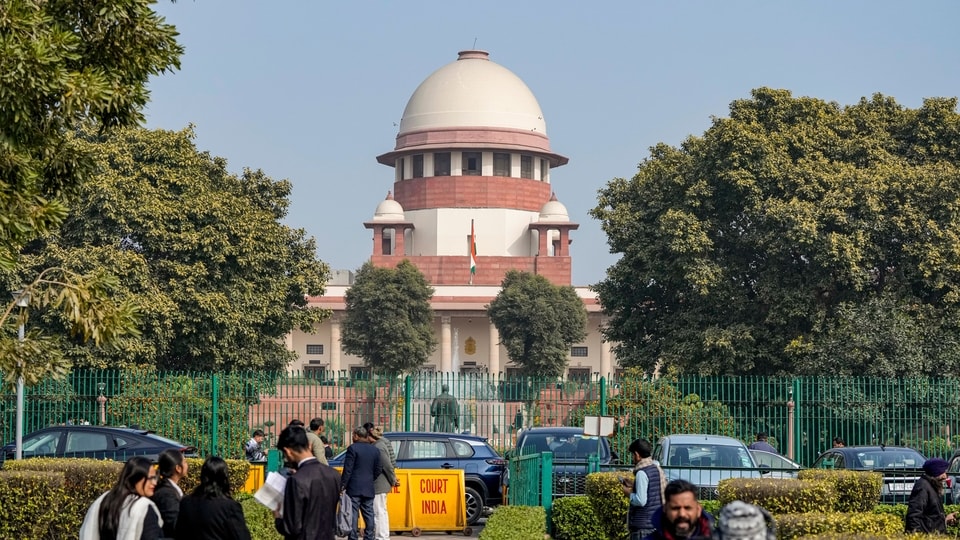
A bench of justices Dipankar Datta and Satish Chandra Sharma set aside the October 2025 order of the Telangana high court that had permitted businessman Guniganti Ravinder Rao to travel to the United States for medical treatment, holding that the courts below had been unduly indulgent in the facts of the case.
Also read | Supreme Court verdict that delivers twin blow to online gaming
“The right to a speedy trial is equally an integral facet of Article 21,” said the bench in its June 4 judgment, while restraining the NRI businessman accused in a decade-old criminal case from leaving the country without court permission.
“Right cannot be viewed in isolation”
The court stressed that while the Constitution guarantees personal liberty, including the right to travel abroad, “such right cannot be viewed in isolation”.
A balance, the court said, must be struck between the liberty of the accused, the victim’s right to a speedy trial and the larger societal interest in ensuring effective administration of criminal justice.
The court added that no fundamental right is absolute and that reasonable restrictions may be imposed where the interests of society and the justice system so require. Relying on earlier precedent, it reiterated that courts must weigh individual liberty against societal interests while considering such requests.
Also read | HC permits trial court to pass order on framing charges
The judgment reinforces the Supreme Court’s growing emphasis on victims’ rights within the criminal justice process, making it clear that the constitutional guarantee of personal liberty cannot be invoked in a manner that undermines the equally protected right of victims and their families to see criminal proceedings concluded within a reasonable time.
The case arises from a complaint lodged in October 2014 regarding the suspicious death of the complainant’s father.
Following investigation, police registered an FIR accusing Rao and others of criminal conspiracy and abetment of suicide under the Indian Penal Code. A charge sheet was filed in February 2016.
According to the judgment, the trial has not commenced even after nearly ten years.
The judges noted that the conduct of the accused throughout the proceedings and the prolonged stagnation of the trial weighed against granting unrestricted travel permission.