
 E-Paper



S-400 purchase is based on threat perception, government tells Parliament
Minister of state for defence said the S-400 was a potent system with operational capability to provide continuous and effective air defence to a very large area

 Prefer HTon Google


As the Indian Air Force lays the groundwork to deploy its first S-400 air defence system being imported from Russia, the government on Friday told Parliament that the $5.4-billion purchase of five such systems was a sovereign decision based on threat perception even as Washington has warned New Delhi of possible secondary sanctions under the Countering America’s Adversaries through Sanctions Act (CAATSA).
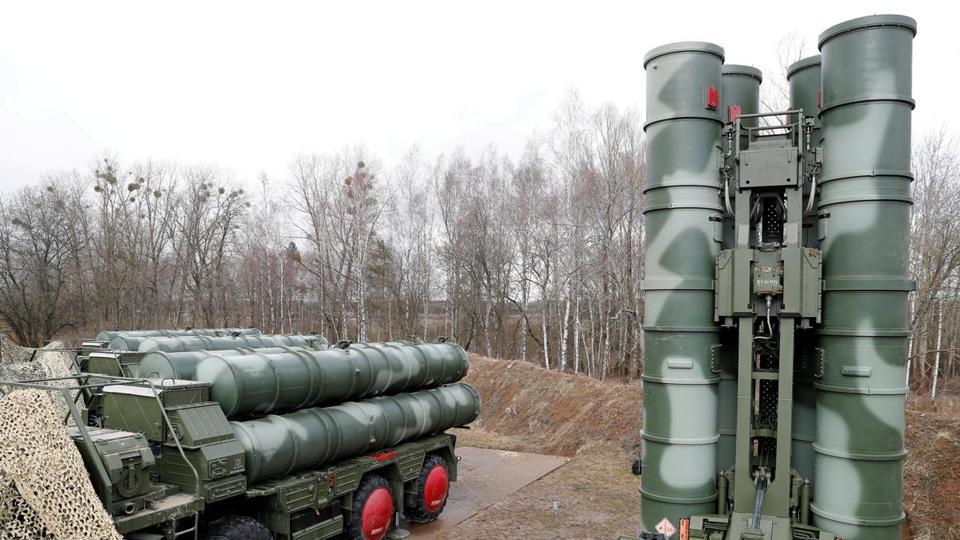
“The government takes sovereign decisions based on threat perception, operational and technological aspects to keep the armed forces in a state of readiness to meet the entire spectrum of security challenges. The deliveries are as per contractual timelines,” minister of state for defence Ajay Bhatt said in a written reply to question Lok Sabha today.
He said the S-400 was a potent system with operational capability to provide continuous and effective air defence to a very large area. “With the induction of this system, air defence capability of the nation will be significantly enhanced,” he said.
The government’s take on the S-400 comes ahead of Russian President Vladimir Putin’s two-day visit to India on December 6 for an annual summit with Prime Minister Narendra Modi.
India and Russia last week announced they would hold the maiden 2+2 dialogue of their defence and foreign ministers on the margins of the annual summit.
India’s Cabinet Committee on Security (CCS), headed by PM Modi, on Wednesday took up a ₹5,100-crore deal with Russia to jointly manufacture AK-203 assault rifles at a facility in Uttar Pradesh’s Amethi.
India and Russia are also expected to renew their military-technical cooperation arrangement for the period 2021-31 and sign several defence-related agreements during the summit. A key pact that could be inked is the Reciprocal Exchange of Logistics Agreement (RELOS), which will allow militaries of the two nations to access logistics and support facilities at each other’s bases.


