
 E-Paper



SC notice to Centre on plea seeking legal recognition to same-sex marriage
A gay couple had moved the Supreme Court seeking legal recognition of same-sex marriage under the Special Marriage Act and to issue appropriate direction to authorities concerned to allow them to solemnise their marriage.

 Prefer HTon Google


The Supreme Court on Friday issued a notice to the Centre on a plea to grant legal recognition to same-sex marriages and alliances between members of lesbian, gay, bisexual, trans, intersex and queer or LGBTIQ+ community under the Special Marriage Act.
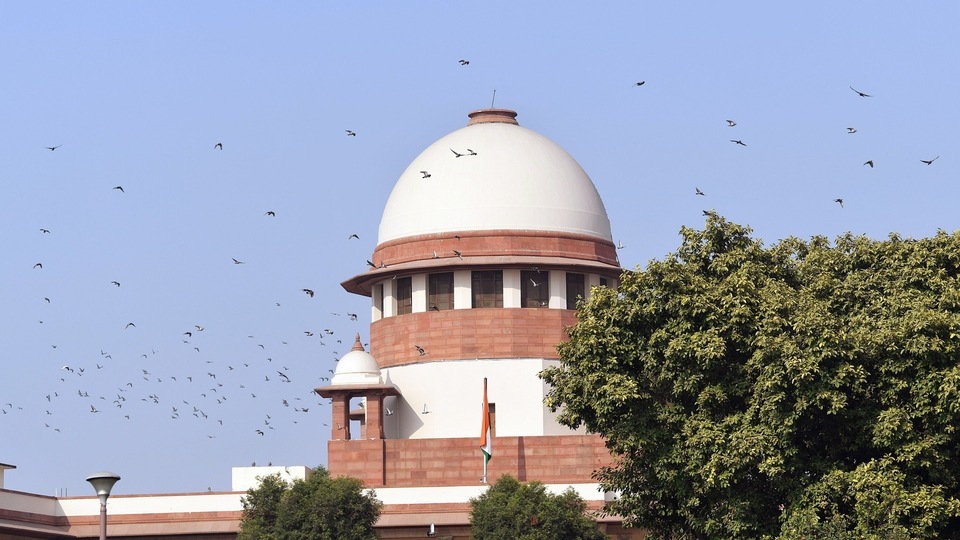
A division bench headed by Chief Justice DY Chandrachud directed that notices be issued to the Attorney General of India in addition to the Union government. The court will hear the matter after four weeks.
The Special Marriage Act of 1954 provides a civil form of marriage for couples who cannot marry under their personal law.
A gay couple had moved the Supreme Court seeking legal recognition of same-sex marriage under the Special Marriage Act and to issue appropriate direction to authorities concerned to allow them to solemnise their marriage.
The petition raised the absence of a legal framework which allowed members of the LGBTQ+ community to marry any person of their choice.
According to the petition, the couple sought to enforce the fundamental rights of LGBTQ+ individuals to marry any person of their choice and said that “the exercise of which ought to be insulated from the disdain of legislative and popular majorities”.
The petitioners, further, asserted their fundamental right to marry each other and prayed for appropriate directions from this Court allowing and enabling them to do so.
The petitioners, who are both members of the LGBTQ+ community, submitted that the right to many a person of one's choice is a fundamental right guaranteed under the Constitution of India to each "person" and has been recognised explicitly by this court.
They stressed that the top court has also expressly held that members of the LGBTQ+ community have the same human, fundamental and constitutional rights as other citizens.
However, the legal framework governing the institution of marriage in this country does not presently allow members of the LGBTQ+ community to many the person of their choice and enforce the fundamental right which has been guaranteed to them under our Constitution.


