E-Paper



Scientists able to predict neonatal sepsis before symptoms show
The study— Predictive gene expression signature diagnoses neonatal sepsis before clinical presentation— in eBiomedicine could help health care workers diagnose critically ill babies earlier and more effectively.

 Prefer HTon Google


A genetic signature in newborns can predict neonatal sepsis before symptoms even start to show, according to a new study.
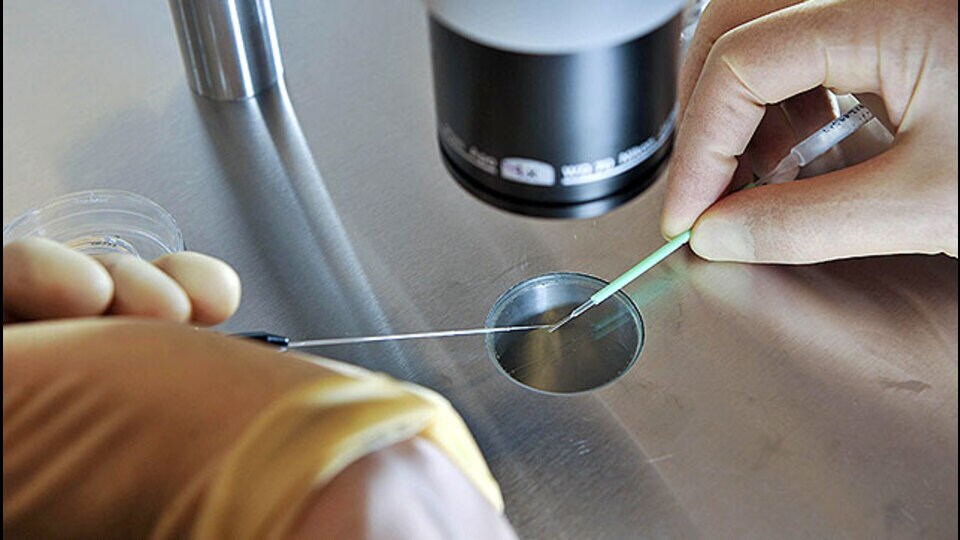
The study— Predictive gene expression signature diagnoses neonatal sepsis before clinical presentation— in eBiomedicine could help health care workers diagnose critically ill babies earlier and more effectively, including in lower- and middle-income countries where neonatal sepsis is of particular concern.
According to the US’s Cleveland Clinic, sepsis in newborns, or neonatal sepsis, is a serious medical condition that occurs when a baby younger than 28 days old has a life-threatening response to an infection. A newborn who has an infection and develops sepsis can have inflammation throughout the body. This inflammation and blood clotting causes reduced blood flow to the baby’s limbs and vital organs. It can lead to organ failure and even death. Bacterial infections are the most common cause of neonatal sepsis.
“Neonatal sepsis is a deadly disease with non-specific clinical signs, delaying diagnosis and treatment. There remains a need for early biomarkers to facilitate timely intervention. Our objective was to identify neonatal sepsis gene expression biomarkers that could predict sepsis at birth, prior to clinical presentation,” the researchers said in the paper.
According to experts in the paper, neonatal sepsis affects around 1.3 million births globally with an estimated 200,000 deaths each year. Earlier diagnosis would allow health care workers to implement potentially life-saving treatment.
Neonatal sepsis is also a major public health concern in India with bacterial sepsis being one of the leading causes of death among neonates.
“The larger implication is that we can potentially predict when a baby is born, if they will be at a higher risk to develop neonatal sepsis or not. We can then prioritize monitoring and support of those infants who are at increased risk of developing sepsis. However, we need to test this out in a new cohort to validate the signature we found,” said Dr Amy Lee, study co-senior author, and assistant professor, SFU department of molecular biology and biochemistry, in British Columbia, Canada, in an emailed statement.
As part of the study, the researchers identified 21 newborns among 720 initially healthy full-term neonates in two hospitals (The Gambia, West Africa), who were later hospitalised for sepsis in the first 28 days of life, split into early-onset sepsis (EOS, onset ≤7 days of life) and late-onset sepsis (LOS, onset 8–28 days of life). Twelve neonates were later hospitalised for localised infection without evidence of systemic involvement, and 33 matched control neonates who remained healthy. RNA-seq was performed on peripheral blood collected at birth when all neonates were healthy and also within the first week of life to identify differentially expressed genes, said the researchers.
According to the researchers, despite appearing healthy at birth, neonates who later developed EOS already had distinct whole blood gene expression changes at birth, which enabled the development of a four-gene predictive signature for EOS. The findings could facilitate early recognition and treatment of neonatal sepsis, potentially mitigating its long-term sequelae, said the paper.
“Knowing that a newborn child will likely acquire neonatal sepsis would allow doctors to assign precious medical resources to prevent the severe consequences of this disease. Identifying our gene expression signature in the blood will provide that information to physicians,” said Dr Bob Hancock, study co-senior author, professor of microbiology and immunology, and investigator, Centre for Blood Research, University of British Columbia, in an emailed statement.