E-Paper



Seek medical advice if experiencing H1N1 symptoms: Govt's directive as cases surge
Delhi has recorded 2,392 Influenza-A cases this year, including 1,777 H1N1 cases, according to health department data

 Prefer HTon Google


Delhi-NCR has reported a rise in Influenza A (H1N1) cases, commonly known as swine flu, with health officials and experts urging people to recognise symptoms early and follow basic precautions to limit transmission.
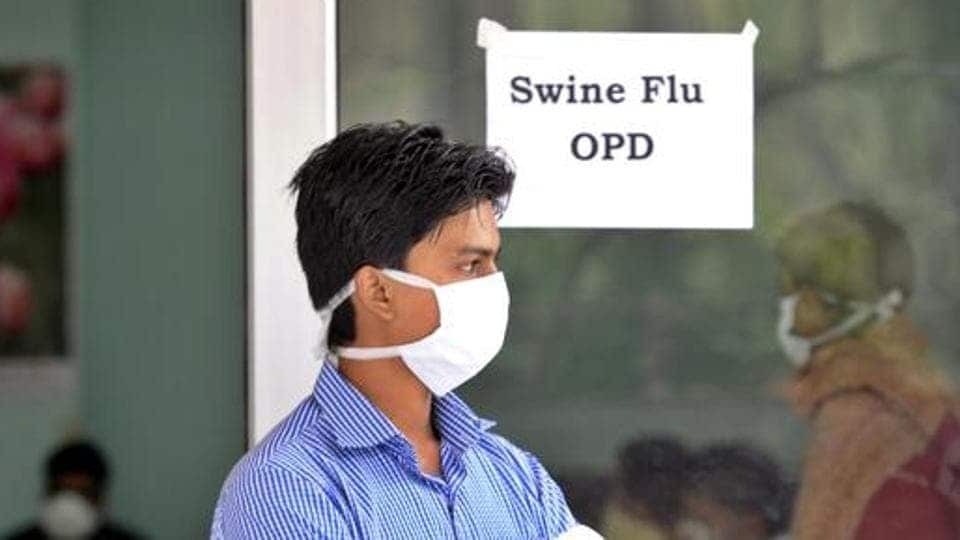
In a directive issued on Saturday, the government listed some common symptoms of H1N1 or swine flu and urged people experiencing them to immediately seek medical advice.
Delhi has recorded 2,392 Influenza-A cases this year, including 1,777 H1N1 cases, according to health department data. As many as 114 H1N1 cases were reported in the capital on Thursday alone.
Deep Dive

“Swine flu (H1N1) can show up through symptoms such as fever, cough, sore throat, headache, runny nose, body aches and fatigue. Recognise the signs early and don’t ignore persistent symptoms,” the Ministry of Health said in an X post.
Delhi Health Minister Pankaj Kumar Singh said the city was fully equipped to deal with the seasonal rise in infections, with no shortage of beds, doctors, medicines or essential medical equipment. The government is also monitoring the patient tally and strengthening hospital arrangements according to requirements.
What are the symptoms of H1N1?
H1N1 can cause symptoms similar to those of seasonal flu. According to the Ministry of Health, common symptoms include fever, cough, Sore throat, headache, runny nose, body ache and fatigue
Dr Neetu Jain, Senior Consultant, Department of Pulmonary, Critical Care, and Sleep Medicine at PSRI Hospital, said H1N1 symptoms can also include cold, watery eyes and general weakness.
Dr Jain said, “H1N1 cases are particularly high in Delhi-NCR this year. The number of cases is said to be six times higher than in previous years…First, the weather conditions, high temperatures and high humidity, can lead to an increase in H1N1 cases, flu cases, and viral infections in general”.
Dr Randeep Guleria, Chairman, Internal Medicine, Respiratory & Sleep Medicine, Medanta Gurugram, said most cases present with mild symptoms such as fever, sore throat and cough. Body aches and cough, however, can sometimes persist for a few weeks.
Also Read: Why H1N1 cases are rising in Delhi and how to protect yourself?
How does H1N1 spread and how can you prevent it?
Experts have stressed the importance of basic precautions and public awareness in limiting the transmission of the virus.
Arjun Dang, CEO of Dr Dang's Lab, said regular hand hygiene and appropriate masking can help limit transmission. He also advised people who test positive to isolate and undergo treatment under the guidance of a physician.
Home-collection services and molecular testing systems can also help detect infections faster, allowing timely clinical intervention, Dang said.
People at higher risk, including immunocompromised individuals and those with comorbidities, should remain particularly vigilant and seek medical advice and timely testing if they develop symptoms.
How is H1N1 treated?
H1N1 is a treatable illness, and most cases are mild and self-limiting, according to the experts cited above.
Dr Jain said antiviral medicines may be given to help improve the chances of a quicker recovery, while supportive care may also be required.
Dr Guleria said most cases resolve on their own, although some patients, particularly elderly people and those in high-risk groups, may require hospitalisation.
(With inputs from ANI, PTI)