
 E-Paper



Why H1N1 cases are rising in Delhi and how to protect yourself?
Delhi-NCR and several other parts of the country are witnessing a rise in H1N1 and other respiratory infections during the monsoon season.

 Prefer HTon Google


Union health minister JP Nadda will meet Delhi's health minister Pankaj Kumar Singh and senior officials on Friday to review the H1N1 situation in the national capital.
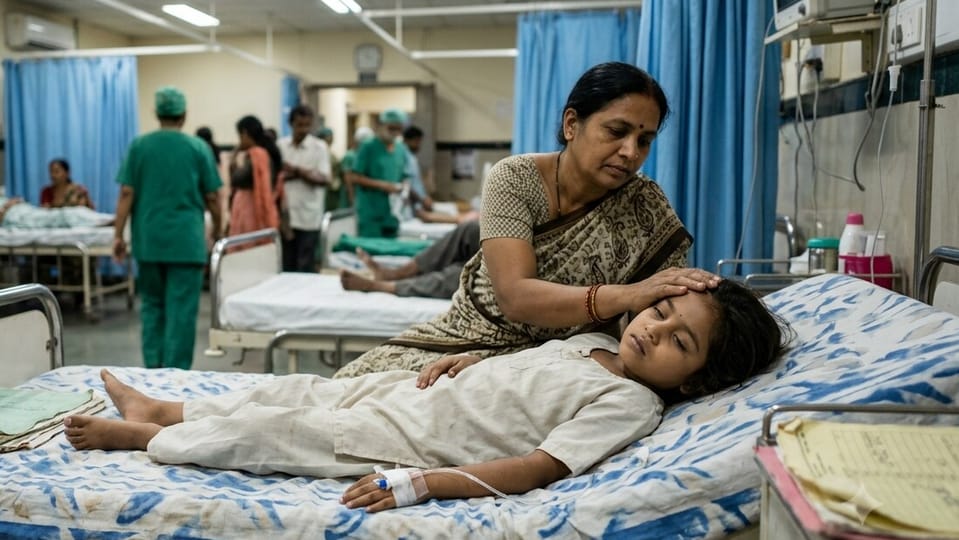
The meeting comes amid reports of a rise in swine flu cases in Delhi, with humid and fluctuating weather conditions raising concerns over the spread of seasonal respiratory infections.
Why are H1N1 cases rising?
Delhi-NCR and several other parts of the country are witnessing a rise in H1N1 and other respiratory infections during the monsoon season.
Dr Harpreet Kaur, Medical Superintendent and Head of Lab Services at Aakash Healthcare, said the hospital has recorded both dengue and H1N1 cases during the monsoon.
While cases were reported in July, she said H1N1 infections increased significantly in August. According to Kaur, the weather is playing a role in the seasonal pattern. Humid conditions can aid the spread of respiratory infections, particularly in crowded indoor environments, while stagnant water during the monsoon creates conditions favourable for mosquito breeding and contributes to the dengue burden.
"This seasonal rise is not unexpected," Kaur said. She added that the scale of the seasonal surge can vary depending on how quickly health systems and communities respond.
Dr Neeraj Nischal, Professor of Medicine at AIIMS Delhi, told news agency ANI that influenza is among the respiratory infections commonly seen during this period. He added that H1N1 can initially look similar to a common cold or other viral fever, with symptoms such as a runny nose, cough, fever, body ache and fatigue.
ALSO READ | JP Nadda to review Delhi’s H1N1 situation today amid rise in swine flu cases
The similarity between different viral illnesses can make it difficult for people to identify influenza based on symptoms alone. Nischal also cautioned that not every fever during the monsoon is viral. Diseases such as typhoid and malaria require specific diagnosis and treatment, making it important to avoid taking medicines without medical advice.
"Therefore, caution is advised. Vaccines are available to prevent influenza," Nischal said.

The increase is also being reported by hospitals in other cities. At SPARSH Hospital in Bengaluru, Dr Manohar K N, Lead Consultant, Internal Medicine and Diabetology, told ANI that doctors are seeing around five to six patients a day with flu-like symptoms, including sudden fever, cough and body pain. Around two to three of these patients are being admitted, he said.
ALSO READ | Mumbai monsoon maladies surge as malaria, H1N1 cases climb in August
He added that hospitalisation is generally more likely when patients develop severe breathing difficulties, particularly among young children, elderly people and those with underlying health conditions.
Most milder cases, however, continue to be managed on an outpatient basis, with symptomatic treatment and advice to isolate at home to prevent further transmission.
Dr Manohar said people should maintain basic respiratory hygiene and consider wearing well-fitted masks in crowded places. He also urged people to consult doctors rather than self-medicate when flu symptoms appear.
ALSO READ | H1N1 flu cases swell in Delhi: Symptoms, precautions and who is at risk
Who is at higher risk?
H1N1, commonly referred to as swine flu, is a respiratory infection caused by the influenza A(H1N1) virus. Symptoms can include fever, cough, sore throat, runny or blocked nose, body aches, headache, chills and fatigue.
Dr Nischal said the risk of complications is higher among vulnerable groups, particularly elderly people, those with comorbidities and people with pre-existing respiratory conditions such as COPD and asthma.
Dengue, H1N1 and H3N2 cases reported
Dr Sunil Rana, Associate Director and Head of Internal Medicine (Unit III) at Asian Hospital, said his hospital is currently seeing dengue, swine flu and H3N2, another influenza A variant.
The severity of symptoms has varied, with some patients reporting relatively mild cough and throat pain while others have developed pneumonia.
Rana said one positive change is that patients are seeking medical help earlier. Increased awareness about seasonal illnesses has encouraged people to get tested within a day or two of developing symptoms instead of waiting for them to worsen.
"In the past, monsoon illnesses often got brushed aside as 'just seasonal fever' until they turned serious. That mindset is shifting," he said.
How to protect yourself from H1N1
The Ministry of Health has advised people to remain alert to symptoms and follow basic precautions to reduce the spread of H1N1.
People should:
- Cover their mouth and nose with a handkerchief or tissue while coughing or sneezing.
- Wash their hands frequently with soap and water.
- Stay away from public places if they have fever, cough or sneezing.
- Drink plenty of water and eat nutritious food.
- Get adequate sleep and rest.
- Consider well-fitted masks in crowded places.
- Seek medical advice if flu-like symptoms develop.
- People should also avoid shaking hands or other close-contact greetings when unwell, avoid spitting in public and, importantly, not take medicines without consulting a doctor.
Dr Manohar said mild cases can generally be managed on an outpatient basis with symptomatic treatment and self-isolation at home, while high-risk patients should be particularly cautious.
"High-risk groups can take vaccines as a preventive measure," he told ANI.
Centre to review Delhi's preparedness
Nadda's meeting will review the H1N1 situation in Delhi, including hospital preparedness, testing facilities, medicines and treatment availability. The Centre and Delhi government will also assess disease surveillance and steps to control the spread of the infection.
The review comes after Nadda assessed Delhi's dengue preparedness in July and stressed coordination between central and state authorities.


