
 E-Paper



Sketches by child abuse victims can help them open up, nab assaulters: NCPCR draft guidelines
The National Commission for Protection of Child Rights roped in Dr Sagar Rajesh, a psychiatrist at New Delhi’s All India Institute of Medical Sciences, to prepare the guidelines on “child art as an investigative tool”.


Children, who have been sexually abused, can express their trauma through drawings and their sketches could also help put the abusers behind bars, according to new draft guidelines framed by the National Commission for Protection of Child Rights (NCPCR).
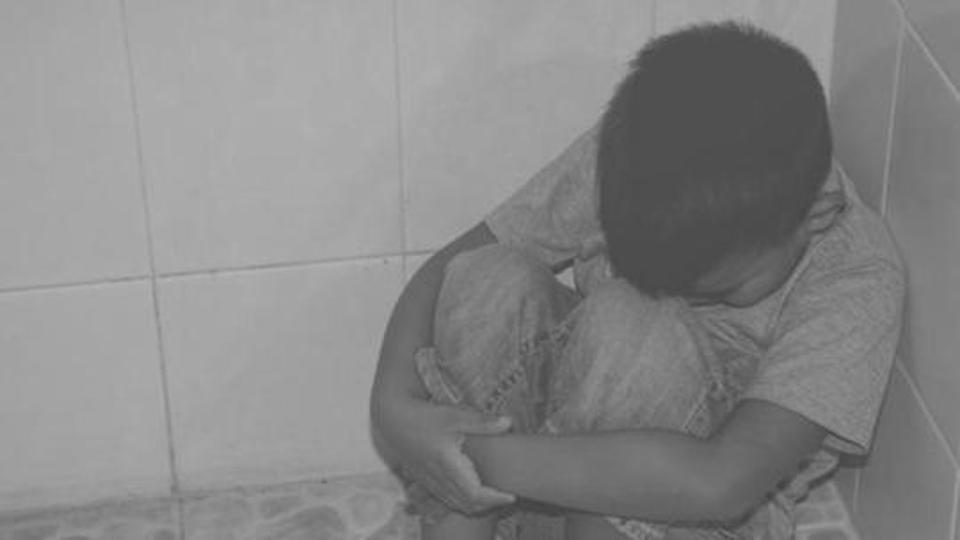
The commission roped in Dr Sagar Rajesh, a psychiatrist at New Delhi’s All India Institute of Medical Sciences (AIIMS), to prepare the guidelines on “child art as an investigative tool”.
The draft guidelines have been submitted to the commission and will be vetted and finalised within six months, officials said.
Experts say children below 13 years of age face deep psychological impact after their abuse and they find it difficult to share in words. It is not easy, they add, for them to communicate their ordeal as the one who has abused them is an adult and the one investigating the crime is also an adult.
They feel scribbles and doodles could be an effective tool in comforting the child and help them open up.
“Children are expressive when they draw. They might hesitate in talking but, to comfort them, drawing could help. The sketches could open up secrets. It could expose the reality. And most importantly, it helps in building a relationship between the investigator and the child who is abused for further probe,” Dr Sagar said.
He, however, cautioned that it’s not necessary the art could mean something every time.
“Interpreters like counsellors and psychologists could help decode the art. But not every time an art can say something. The piece could be an evidence attested by an expert,” he added.
The commission’s chairperson Stuti Kacker said there have been recent incidents where children have been able to express themselves through their drawings.
Kacker also said a child who was abused drew her grandfather with his male genitalia and another made himself as a black dot in a party where he was forced to perform oral sex by a male guest.
Last year, a court in Delhi accepted a sketch by a 10-year-old girl and sentenced her 45-year-old uncle to five-year imprisonment for sexually assaulting her.
She said, in most cases, a child was reported to have been abused by a family member.
“The families need to have better access to their child’s mind because 70% of the incidents have someone from the family (who has committed the crime),” she said.
The guidelines also provide a series of the do’s and don’ts for the police, health officials and the child’s family in such cases. They strictly ask authorities involved to avoid questions in the preliminary meetings and direct them to behave gently with the child.
Providing space to the child with minimal intervention of officers and staff could also help in the process, according to the guidelines. They direct officials to ensure crayons and sketchbooks are available for the children in police stations.
The more the children are comfortable while drawing, the easier it would be to crack the case, Dr Sagar said.
According to government figures, a child is sexually abused every 15 minutes in India.
The National Crime Records Bureau report for 2016 shows a sharp spike in cases of rape against children with an increase of such incidents by over 82% as compared to 2015. According to government figures, a child is sexually abused every 15 minutes in India.
Five states - Delhi, Uttar Pradesh, Madhya Pradesh, Maharashtra and West Bengal - reported the highest number of crimes against children.


