E-Paper



South African expert team reviews cheetah project in MP’s Kuno, Gandhi Sagar
The team assessed the progress of the project at Kuno National Park over two days and later visited Gandhi Sagar Wildlife Sanctuary, where three cheetahs have been released: Senior officer

 Prefer HTon Google


Bhopal: A team of experts from South Africa visited Kuno National Park (KNP) and Gandhi Sagar Wildlife Sanctuary (GSW) in Madhya Pradesh on Friday, as the inter-continental cheetah translocation project between India and African countries is likely to resume next month, officials aware of the development said.
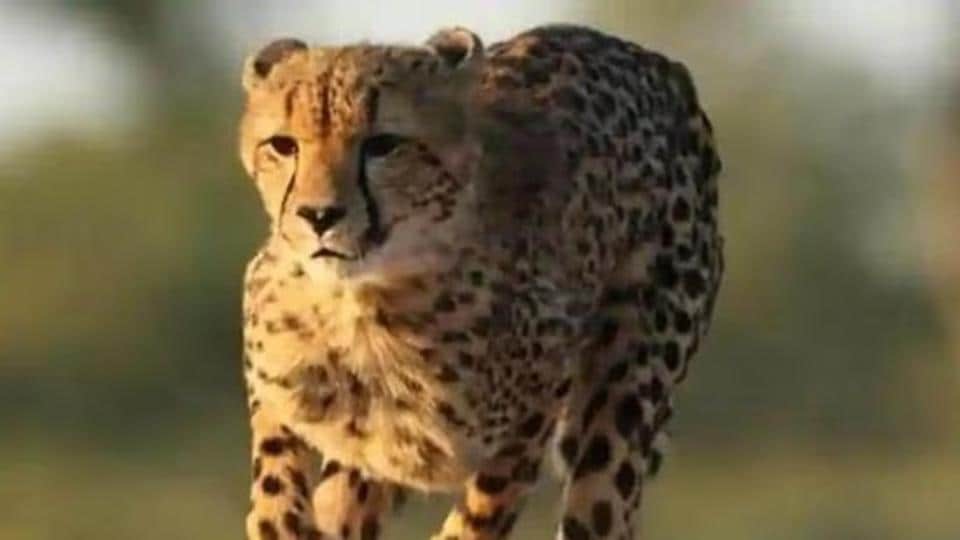
The team included forestry, fisheries and the environment head of office and cabinet liaison Advocate Anthony Mitchell; Ministerial Task Team on voluntary exit options and pathways from captive lion industry chairperson Kam Chetty; biologist Sam Ferreira; scientist Brent Coverdale; and senior scientist Jeanetta Cellier. The team assessed the progress of the project at Kuno National Park over two days and later visited GSW, where three cheetahs have been released, a senior officer of the Madhya Pradesh forest department said.
In August, HT reported that a team from the Forest Ministry of South Africa would visit India to review the memorandum of understanding (MoU) signed on January 26 between the two countries to send 10 cheetahs every year for 10 years.
Officials from South Africa had earlier said that a decision would be based on a scientific assessment of whether the translocation would affect the survival of the species in the wild, whether they would adapt to their new habitat, and a population viability analysis to determine long-term survival possibilities.
“The final discussions on sending the second batch of cheetahs will be held on Saturday at the Union Ministry of Environment,” the state forest officer said.
On Thursday, Union environment minister Bhupendra Yadav had confirmed in Delhi that the Indian government has reached an agreement with Botswana. As many as eight cheetahs are expected to arrive in India this month. The cheetahs are already in quarantine in Botswana and will be kept in enclosures at Kuno National Park in Sheopur before being released into the wild.
Madhya Pradesh currently has 27 cheetahs — 24 in KNP and three in GSW. Of these, 11 are adults that were translocated from Namibia in September 2022 and from South Africa in February 2023, while 16 were born in India.
MP Principal Chief Conservator of Forests Subhranjan Sen confirmed that the South African team had “cleared all doubts” and expressed satisfaction with the project’s progress.
“They closely saw cheetahs in enclosures as well as in the wild. They praised the efforts of the central and state governments in making the project successful,” he added.
A team from Botswana is also expected to visit Kuno soon. “The schedule of arrival of the cheetahs will be released by the end of this week. Our preparations are complete. The cheetahs will be kept in quarantine and then in enclosures before being released into the wild,” said Uttam Kumar Sharma, Chief Conservator of Forests, Kuno National Park, Sheopur.
Madhya Pradesh has also begun preparations to develop Nauradehi Wildlife Sanctuary as the third habitat for cheetahs in the state.