
 E-Paper



States increase liquor taxes in bid to raise revenue amid Covid-19 crisis
Delhi has put a 70% cess on all categories of liquor and Andhra Pradesh increased 75% tax on liquor to fund the fight against Covid-19.


On Wednesday, the Uttar Pradesh and Karnataka governments decided to increase taxes on liquor and fuel to mop up money to fight the coronavirus (Covid-19) pandemic, a few days after Delhi, Andhra Pradesh and West Bengal increased taxes on liquor.
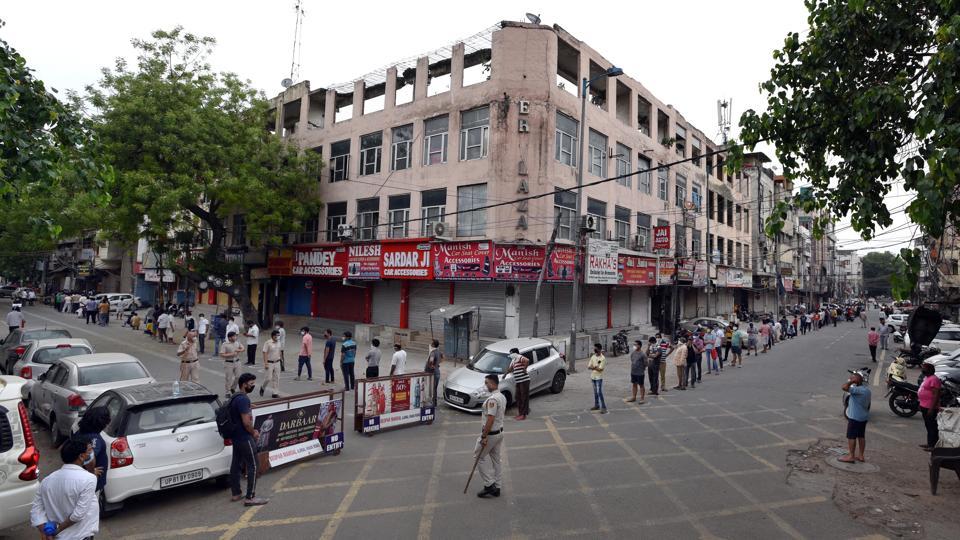
Delhi has put a 70% cess on all categories of liquor and Andhra Pradesh increased 75% tax on liquor to fund the fight against Covid-19.
Several states, including West Bengal, Karnataka, Uttar Pradesh, Rajasthan and Uttarakhand, on Wednesday reported up to 20% higher excise revenue than usual and said the rush reported on Monday was slowly abating.
However, women in Uttarkashi district of Uttarakhand, Bolangir in Odishsa and in some parts of Telangana and Andhra Pradesh protested over the reopening of liquor shops, saying it would derail their families. In West Bengal’s North 24 Parganas district, some women wielding sticks beat people queuing outside liquor vends.
The Uttar Pradesh cabinet on Wednesday approved proposals making petrol, diesel and liquor costlier to earn an additional ₹4,429 crore in 2020-2021, said the state’s finance minister Suresh Khanna. He said the price of petrol will increase by ₹2 per litre from the current price of ₹71.91 and diesel by Re 1 per litre from ₹62.86. The new prices came into efffect from Wednesday night.
The UP cabinet decided to make liquor costlier by ₹5 per bottle in case of country made liquor to ₹400 per bottle (of more than 500 ml) in the case of imported brands of foreign liquor.
For brands of regular and premium categories, an additional ₹20 will be charged on a 180 ml bottle, ₹30 on a 180 ml to 500 ml bottle and ₹50 on bottles containing more than 500 ml alcohol, he said. For imported liquor, ₹100 more will be charged on a 180 ml bottle while ₹200 more will be charged on bottles between 180 ml and 500 ml. An additional ₹400 will be charged on bottles that have more than 500 ml of imported liquor.
Since May 4, when the liquor shops opened in the state, the UP government has earned revenue of ₹200 crore. “We got maximum revenue on Wednesday even though there was so much hype on Monday,” an official said. In 2019-20, UP had earned revenue of ₹27,323 crore from liquor sales against the target of ₹30,000 crore.
Karnataka chief minister B S Yediyurappa announced an increase in liquor prices by 11% and a stimulus package worth ₹1,610 crore. As a part of the package, the government has decided to pay ₹25,000 per hectare up to a maximum of one hectare, one time compensation of ₹5,000 to 60,000 washer men (dhobis), 2,30,000 barbers, 7.75 lakh auto rickshaw and taxi drivers.
In West Bengal, a huge rush was witnessed outside liquor stores for the second consecutive day despite the government increasing the prices by 30%.
Bengal’s commissioner, excise, Niranjan Das, said the sale of liquor in last two days was about ₹58 crore, which is slightly higher than normal days. On average, Bengal gets ₹25 crore every day from excise revenue. “On Monday, the liquor sale was about ₹29 crore and on Tuesday it was about ₹28 crore even though bars and liquor shops in malls are closed,” Das said, adding liquor sale contributes substantially to the state’s revenue.
Similarly, revenue from liquor sale has been encouraging in Assam. In three days, the state earned ₹75 crore as revenue from liquor sales. In March, till the lockdown was imposed, the state earned ₹65 crore, officials said. In April, due to lockdown, the state had earned only ₹six crore from liquor sales. Rajasthan reported a revenue of ₹40 to 45 crore on Tuesday and Madhya Pradesh about ₹40 crore.
In Haryana, where shops opened in Wednesday, there were long queues outside the liquor vends in several districts, such as Bhiwani, Dadri, Rohtak and Sonepat districts. However, in many places the vends did because there was not enough stock, officials said.
In Uttarakhand’s Nainital, people queued outside a shop, amid a hailstorm, while maintaining social distancing, as the state government reported good increase in revenue.
RK Pandey, a resident of Kumaon, who waited for 30 minutes outside a liquor store, said: “Liquor shops were closed for six weeks and people are not sure whether it will remain open tomorrow or not so they are stocking liquor.”
There were reports of women protesting against the opening of vends from some districts, such as Uttarkashi and Chamoli. Sunita Negi, head of Virpur village, said, “People have not been working here in the village and nearby villages due to the coronavirus pandemic. The situation will only worsen if liquor shops are opened as the men will spend money on liquor.”
Liquor shops remained closed in Jharkhand, Kerala and Punjab.


