
 E-Paper



Supreme Court seeks details of money seized by Election Commission during 2014 Lok Sabha polls
The apex court was informed the cases hardly get prosecuted since the officers, who are part of the special teams constituted to crack down on the misuse of cash for elections, get back to their routine work once the elections are over.


No political party wants to empower the Election Commission (EC) as it will “cause them problems”, the Supreme Court observed on Monday .
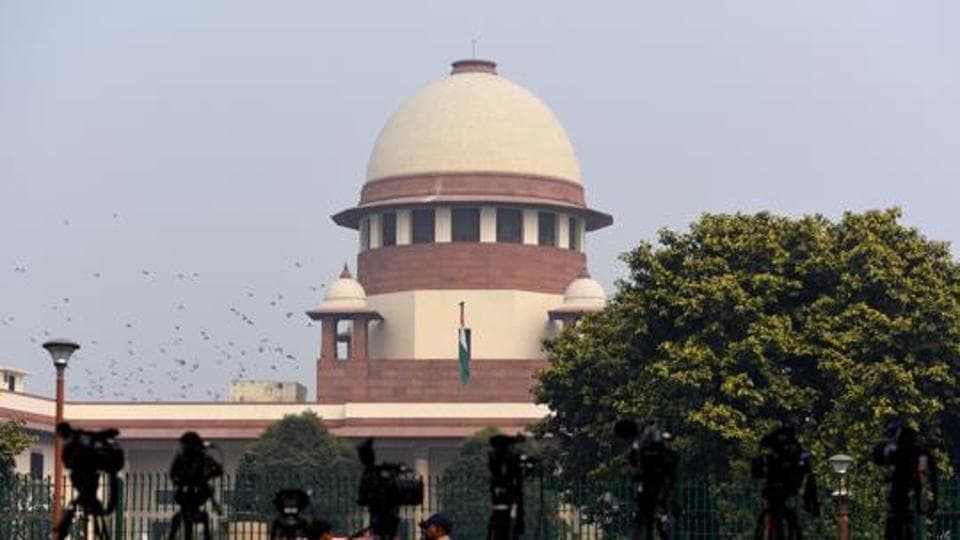
A bench of justices N V Ramana and M M Shantagoudar made the observation as the apex court asked the poll watchdog to furnish data about the cases initiated in connection with cash seizures during the 2014 national elections.
It was hearing a Karnataka government plea challenging the state high court’s decision to quash a criminal case regarding a cash seizure from Bellary Lok Sabha constituency in 2014.
The bench sought to examine the larger issue and to know what happens to such cases once the elections are over.
The court was informed the cases hardly get prosecuted since the officers, who are part of the special teams constituted to crack down on the misuse of cash for elections, get back to their routine work once the elections are over.
The EC’s lawyer, Amit Sharma, told the bench that once the cases are initiated, then it is the state’s duty to pursue them. Sharma added he would have the data on the cases initiated but not those on the state of prosecution when the court asked him what was being done about the seizures.
Justice Ramana responded saying that no political party is keen to empower the EC. He went on to also caution the poll watchdog against the misuse of its powers when the Model Code of Conduct is enforced with the announcement of polls.
The judge verbally remarked: “During these 3-4 months, the Election Commission is the government. Other governments are nothing [during this period]. Even the Prime Minister is required to have the clearance of the EC for public meetings. Fortunately, [the EC] they are not saying courts should not pass orders.”
Meanwhile, the apex court asked 21 opposition parties to file within a week their reply on the EC’s affidavit on their plea seeking counting of at least 50% of VVPAT slips in Lok Sabha and state polls.


