E-Paper



Supreme Court to hear Sabarimala review pleas on entry of women from April 7
The batch of matters arose out of the review of the 2018 verdict allowing entry of women of all ages into Kerala’s Sabarimala temple.

 Prefer HTon Google


The Supreme Court on Monday set the stage for the final hearing of the long-pending Sabarimala review, bringing back to life a constitutional controversy that has remained in cold storage for six years, and which could reshape the court’s approach to religion-rights conflicts. The batch of matters arising out of the review of the 2018 verdict allowing entry of women of all ages into Kerala’s Sabarimala temple was last substantively taken up in February 2020. It will now be heard from April 7, with arguments expected to conclude by April 22.
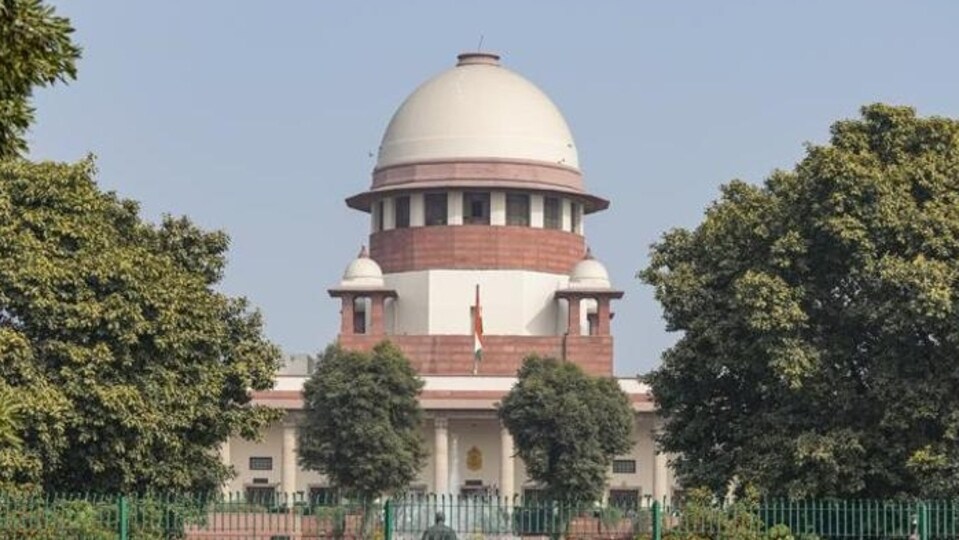
A three-judge bench led by Chief Justice of India Surya Kant, and comprising justices Joymalya Bagchi and Vipul M Pancholi, on Monday issued procedural directions for the hearing of the reference that has since grown into one of the most significant examinations of religious freedom under the Constitution. The bench clarified that the directions regarding the constitution and composition of the nine-judge bench will be issued by the CJI on the administrative side.
The court noted that pursuant to the 2019 reference order, a nine-judge bench had been constituted. Objections to the very maintainability of referring questions to a larger bench during the pendency of review petitions were conclusively decided in February 2020. The court had then held that it was competent to refer questions of law to a larger bench even while considering review petitions. With that issue settled, the path now stands cleared for substantive adjudication, the bench noted in its Monday order.
Solicitor General Tushar Mehta, representing the Union government, submitted that the Centre supports the review petitions, indicating that it opposes women’s entry into the temple.
The February 2020 order framed seven sweeping constitutional questions, including the interplay between freedom of religion under Articles 25 and 26 of the Constitution; need to delineate the expression ‘constitutional morality’; the extent to which courts can enquire into particular religious practices; the meaning of sections of Hindus under Article 25 and whether ‘essential religious practices’ of denomination or a section thereof are protected under Article 26. Another question was the “permissible extent of judicial recognition to PILs in matters calling into question religious practices of a denomination or a section thereof at the instance of persons who do not belong to such religious denomination”.
On Monday, the bench directed the parties to file written submissions by March 14 and fixed April 7 to commence hearing the batch, assigning six dates up to April 22.
Significantly, the Sabarimala review will anchor a broader cluster of matters that raise overlapping questions about the limits of judicial scrutiny in religious affairs. The batch will also include the 39-year-old case concerning the Dawoodi Bohra community’s practice of excommunication—the oldest pending case before a constitution bench, in which the expulsion of a member results in social boycott and denial of entry to places of worship.
The nine-judge bench will further examine whether a Parsi woman retains her religious identity after marrying a person of another faith under the Special Marriage Act, another dispute engaging the boundaries between personal faith and constitutional guarantees.
The revival of the Sabarimala reference marks a decisive institutional step after years of uncertainty following the 2019 review order and the 2020 ruling upholding the reference to a larger bench. The adjudication is expected to have far-reaching implications on how courts balance essential religious practices, denominational autonomy and individual rights. Together, the seven issues transform the Sabarimala review from a temple-entry dispute into a foundational reconsideration by the highest judiciary of how the Constitution seeks to balance religious freedom, equality, reform and judicial power.