
 E-Paper



Supreme Court underlines power of mediation, applauds justice Kurian Joseph for his “artistry and refined skill”
The Supreme Court has underlined the transformative power of mediation in resolving entrenched disputes, even as it applauded its former judge, justice Kurian Joseph, for exemplifying the “extraordinary artistry and refined skill” that a mediator requires in resolving conflicts with fairness, dignity and mutual respect.

 Prefer HTon Google


The Supreme Court has underlined the transformative power of mediation in resolving entrenched disputes, even as it applauded its former judge, justice Kurian Joseph, for exemplifying the “extraordinary artistry and refined skill” that a mediator requires in resolving conflicts with fairness, dignity and mutual respect.
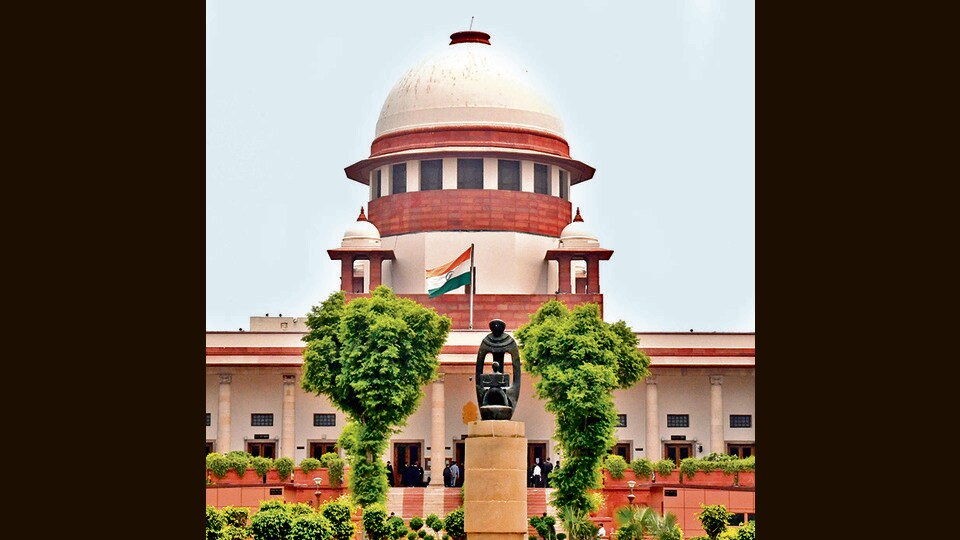
Recording a settlement in a decades-old property dispute, a bench of justice Sanjay Karol and N Kotiswar Singh highlighted the significance of conciliatory dialogue and said that the present case serves as an example of how profoundly effective and deeply preferable mediation can be in the resolution of property disputes.
“With the calm and considered environment that mediation provides, tensions are eased, perspectives are broadened, and the rigidity begins to yield to understanding. It is in this setting that individuals who once stood firmly opposed are able to craft a resolution that reflects not only legal rights but also fairness, practicality, and mutual respect,” stated the bench in a recent order, released now.
On the role of the former judge as mediator, the bench said that justice Joseph, through his “grace and wisdom” and “gentle guidance and unwavering composure”, succeeded in transforming discord into dialogue and guiding feuding parties towards resolution.
This judicial endorsement of mediation comes close on the heels of Chief Justice of India Surya Kant’s remarks at the 23rd edition of the Hindustan Times Leadership Summit on Saturday, where he described mediation as one of the most transformative reforms urgently required in India’s justice delivery system. Calling it a “powerful game changer,” the CJI highlighted that mediation offers speed, social harmony and dignity in dispute resolution.
“Both parties leave the court with smiling faces. It brings social fabric and harmony, and speaks in the common man’s language,” the CJI had said, stressing that mediation will succeed only when mediators speak the language of the consumer of justice in friendly, accessible environments free from intimidation.
Referring to the recent launch of the ‘Mediation for the Nation’ mission, the CJI said that community mediation initiatives will now reach “villages, streets and houses where disputes already exist or are anticipated.”
Monday’s order echoed that sentiment, underlining how mediation can be “profoundly effective and deeply preferable” in resolving disputes long caught in litigation.
The present case involved appeals arising from petitions challenging a 2024 judgment of the Telangana high court concerning the validity of a 1968 sale deed executed without the consent of a coparcener. The litigation, which has been pending in courts since 1998, showed “no sight of certainty in the immediate future”, prompting the Supreme Court earlier this year to persuade the parties to attempt mediation before Justice Joseph.
The mediator’s report and a settlement agreement dated November 22, 2025, were subsequently placed on record, with the respondents agreeing to pay ₹2.5 crore to the appellants in full and final settlement. The court accepted the statements and directed that a decree be drawn in terms of the agreement, while placing on record its “deepest gratitude” to the former judge.
The order emphasised that mediation allows parties to find common ground through and minimal court involvement while retaining ownership over the outcome they ultimately arrive at.
To those familiar with Justice Joseph’s judicial journey, the success of this mediation comes as no surprise. Throughout his tenure on the Supreme Court until his retirement in 2018, and even earlier as a high court judge in Kerala and as chief justice in Himachal Pradesh, he championed healing over hostility, often intervening personally to resolve bitter family feuds away from adversarial courtroom battles. Known for urging warring litigants to sit together, talk and rediscover bonds eroded by time and litigation, he frequently reminded parties that no legal victory was worth the emotional and familial loss that prolonged conflict inflicts.
The bench was effusive in praising Justice Joseph: “We extend our deepest gratitude to the mediator for his exemplary efforts, for the grace and wisdom with which he has navigated each nuance of this matter, and for enabling all involved to leave not only with their dispute resolved but with renewed confidence in the power of understanding and the quiet strength of mediated settlement.”



