E-Paper



Taliban fighters enter Kabul, India moves to safeguard diplomats, citizens
Taliban fighters began entering Kabul from all sides without facing any resistance, BBC reported. The move came hours after the Taliban captured Jalalabad, the last major city in the north that was under government control, without a struggle

 Prefer HTon Google


As Taliban fighters began entering Kabul on Sunday afternoon as part of their lightning blitz against the government-controlled areas, Indian authorities scrambled to ensure the safety of hundreds of diplomats and citizens still in Afghanistan.
The speed of the Taliban’s advance into the capital again took most countries by surprise, though people familiar with developments said the Indian side was well prepared for all contingencies. The Indian Air Force’s heavy lift aircraft, especially the C-17 Globemasters, have been on round-the-clock standby for several days and can be pressed into service at short notice for evacuation.
The Indian side had been anticipating the Taliban advance into Kabul would take a few more days and media reports about the entry of fighters into the city on Sunday triggered hectic consultations, the people cited above said on condition of anonymity.
Also Read | Delhi-Kabul Air India flight lands 1 hour later amid tense moments in high skies
Plans are also in place for the destruction and retrieval of documents and computers at the Indian embassy, which is the only functional mission in Afghanistan following the withdrawal of staff from the consulates in Herat, Jalalabad, Mazar-e-Sharif and Kandahar over the past year.
Taliban fighters began entering Kabul from all sides without facing any resistance, BBC reported. The move came hours after the Taliban captured Jalalabad, the last major city in the north that was under government control, without a struggle.
The Afghan presidential palace said in a message in Pashto posted on its Twitter handle that the situation was “under control” and Kabul had not been attacked, though there were instances of sporadic shooting. It said Afghan security forces were working with international partners to ensure the security of Kabul.
The Taliban, in a statement in Pashto, claimed “all parts of the country have come under the control of the Islamic Emirate”. It said the group’s fighters do not intend to enter Kabul, which is densely populated, “by force or war, but rather to enter peacefully”.
The statement added negotiations were underway to “ensure the transition process is completed safely and securely, without compromising the lives, property and honour of anyone”. The Taliban instructed its fighters “to stand at the gates of Kabul” and not to try to enter the city, and to also ensure the security of the capital until the transition process is completed.
“We reiterate that the Islamic Emirate does not intend to take revenge on anyone, all those who have served in the military and civilian sectors in the Kabul administration are forgiven and safe, no one will be retaliated against,” the statement said.
The people cited above said the Taliban’s assurances couldn’t be taken for granted, given the ample evidence that the group’s political leadership isn’t fully in control of fighters on the ground, and the reports of summary executions of security forces and people who backed the government as well as violation of the rights of women and civil society activists.
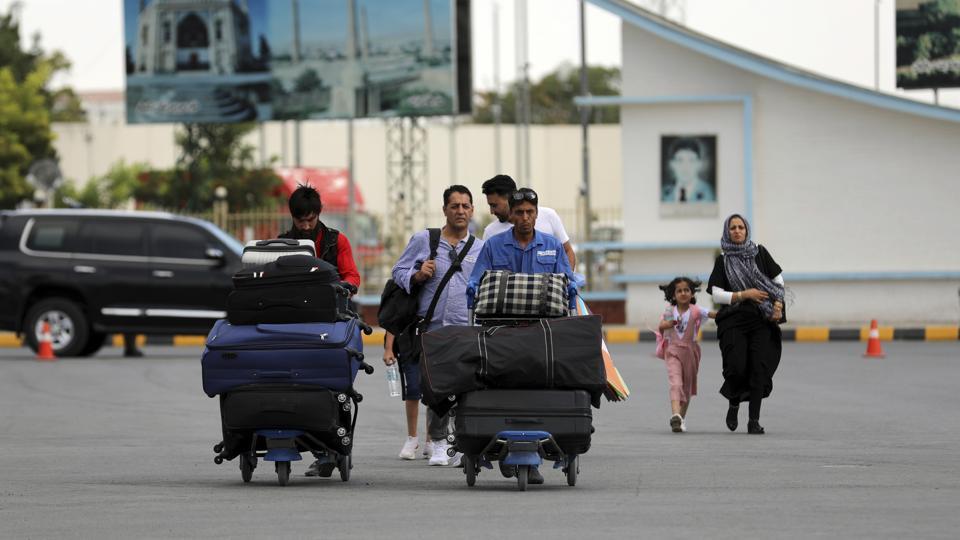
There were also reports of people making a run for banks to withdraw money and to foreign embassies to seek visas to leave Afghanistan. The Indian embassy too has been swamped with requests for visas over the past few days. Kabul airport is currently the only way out of the country, with all land border crossings currently under the control of the Taliban.