
 E-Paper



Environmentalists petition HC against Telangana marine park plan; notice issued
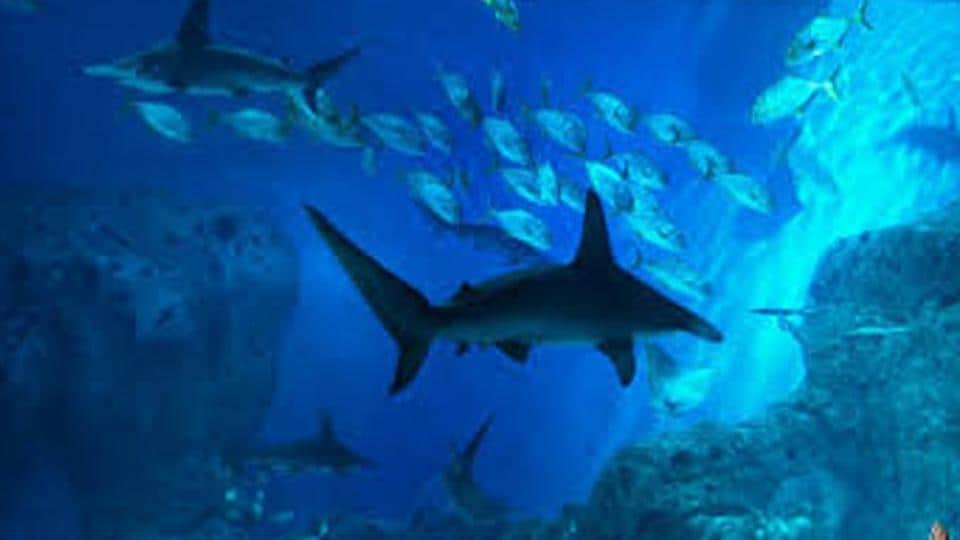
On May 12, HMDA called for bids to set up a tunnel aquarium or Aqua Marine Park inside the EcoHill Park at Kothwalguda at an estimated cost of ₹300 crore

 Prefer HTon Google


HYDERABAD: The Telangana high court on Tuesday asked the state government to respond to a petition by environmentalists including two actors, Sri Divya and Renu Desai, against building the proposed aqua marine park at Kothwalguda on the outskirts of Hyderabad
A bench of chief justice Ujjal Bhuyan and justice N Tukaramji issued notices to special chief secretary of municipal administration, Hyderabad Metropolitan Development Authority (HMDA) and the department of animal husbandry, dairy development and fisheries and told them to respond by August 4.
On May 12, HMDA called for bids to set up a tunnel aquarium or Aqua Marine Park inside the EcoHill Park at Kothwalguda at an estimated cost of ₹300 crore under DBFOT (Design, Build, Finance, Operate and Transfer) mode.
The petition said the artificial pond would pose a threat to the survival of marine fauna and would damage the natural ecosystem. They also underlined that HMDA hadn’t made an environmental impact assessment before taking up the project.
According to HMDA’s proposal, the aqua marine park would have been India’s largest, across a built-up area of over 2,50,000 sq. ft at Kothwalguda eco park. The curved tunnel was planned to be a minimum of 100 metres diameter with a 3.5-metre walkway and a 180-degree view. The tunnel was proposed to be large enough to accommodate 2,500 people. Environmentalists underlined that the water volume was expected to be about three million litres for the aquarium and two million litres for the tunnel tank alone.
HMDA’s proposal said: “It will have over 300 species including freshwater, brackish water and marine/saline water species with a total of over 10,000 animals including fishes, reptiles and other marine and land-based creatures with a mix of ornamental fish, domestic and imported species. About 10 percent of the species would be changed or replaced with new species every year”.


