
 E-Paper



Time to heal Kashmir’s wound, look to future within India: Supreme Court
A justice Sanjay Kishan Kaul-led three-judge bench, which hoped the government will make efforts to restore normalcy in Kashmir, ordered Qayoom’s release after the Centre agreed to it taking into account his age and deteriorating health.

 Prefer HTon Google


The Supreme Court on Wednesday granted conditional bail to Jammu & Kashmir High Court Bar Association president Mian Abdul Qayoom, 73, saying the region has gone through troubled times and it was time for healing the wounds of Kashmiris and to look forward to a future within India. It said Qayoom’s release on bail on Thursday on the condition that he will not travel to Jammu & Kashmir till August 7 and refrain from making any public statements will enable him to celebrate Eid on Saturday.
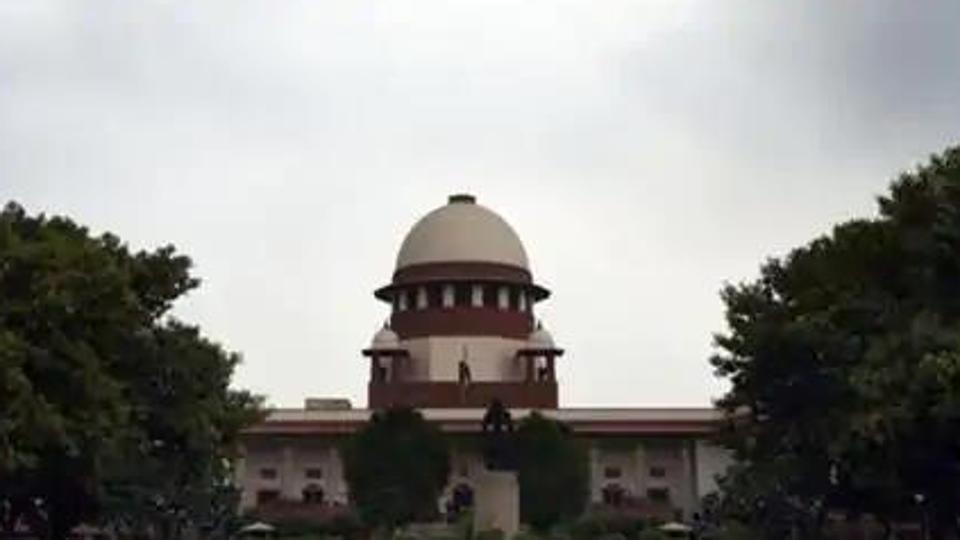
A justice Sanjay Kishan Kaul-led three-judge bench, which hoped the government will make efforts to restore normalcy in Kashmir, ordered Qayoom’s release after the Centre agreed to it taking into account his age and deteriorating health. “Kashmir has been a troubled area. Nature has been very kind to the place. It is the human race that has been unkind. It is time for all wounds to be healed and look to the future within the domain of our country,” the bench said.
Qayoom was among hundreds of people, including three former chief ministers, detained in August last year as part of measures to prevent protests against the Centre’s move to divest Jammu & Kashmir of its special status. A communications blackout and a lockdown were imposed and most of the restrictions have since been eased even as the mobile internet remains restricted. Two former chief ministers Farooq Abdullah and Omar Abdullah were released in March while Mehbooba Mufti remains under detention.
The court said it is sure Qayoom will also adopt a more constructive approach to the future and the government will consider how to bring complete normalcy at the earliest.
Senior counsel Dushyant Dave, who appeared for Qayoom, on Monday asked the top court and the government to show leniency considering his client’s advanced age and troubled health and release him immediately.
The Centre then informed the court that Qayoom’s detention will expire on August 7 and he will not be detained further.
During the hearing of the case on Wednesday, the judges and the lawyers involved in the matter also spoke about the situation in Kashmir including its tourism potential. “I must say that Kashmir is much more beautiful than Switzerland. Switzerland is pedicured and manicured, Kashmir is natural,” Dushyant Dave said.
“I completely agree,” said solicitor general Tushar Mehta, who appeared for Jammu & Kashmir. “There is huge potential for tourism in this country which is untapped,” added justice Kaul.
Qayoom, who has been lodged in Delhi’s Tihar prison since January, was detained under the Public Safety Act that allows detention without trial for up to two years. He was earlier imprisoned in Agra.
The Jammu & Kashmir high court in May rejected Qayoom’s plea against his detention, citing his ideology which the government termed “separatist”. It said the ideology was like a live volcano and remained unaffected by the passage of time.
Qayoom submitted his detention was based on four First Information Reports registered against him between 2008 and 2010 and were, therefore, stale.


