E-Paper



To beat crunch, Assam police may hire ex-militants, youths from insurgency-hit areas
Assam DGP Mukesh Sahay told HT that investigation and policing activities are getting affected to a large extent due to the lack of enough manpower.


Hit by manpower crunch, the Assam police is looking to recruit youths from backward and insurgency-hit areas, and former militants.
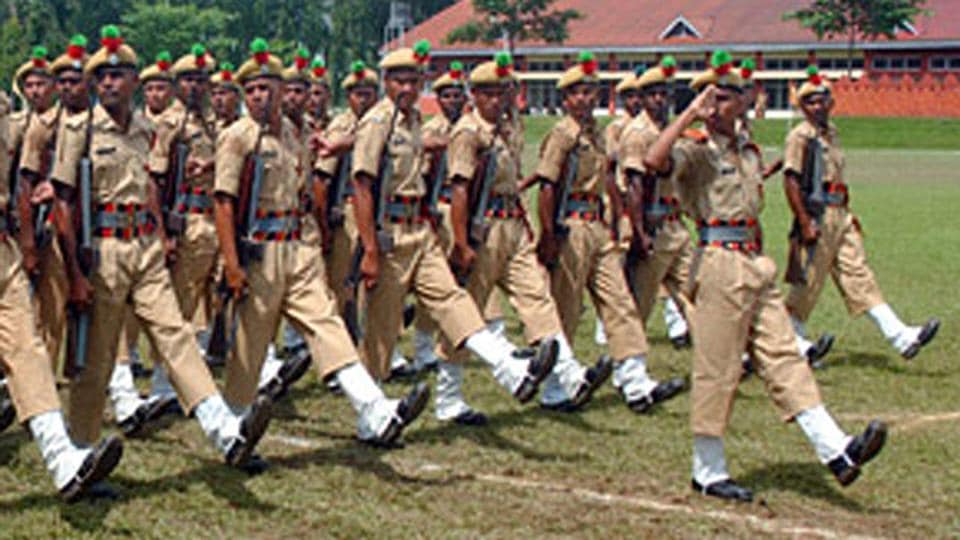
Of the total sanctioned strength of around 74,000, nearly 12,000 posts, including around 8,000 of constables, are vacant.
“Investigation and policing activities are getting affected to a large extent due to the lack of enough manpower. The new policy is expected to address that issue,” Assam DGP Mukesh Sahay told HT.
The state government is in the process of formulating a new recruitment policy for the police, as per which it is hoped that employing youths from insurgency-affected areas would deter them from joining militant outfits.
In a bid to make the force more representative of the population they police, the force has sent several proposals to the government, among which is a suggestion for reservation for youths from under-represented areas.
The representation of the two insurgency-affected hill districts among the constables is only 0.2%. Other backward and militancy-hit areas have fewer constables in comparison.
The number of constables from the Bodoland Territorial Council is 1.67% and from the flood affected areas of eastern Assam, the figure is 6%.
“One of the reasons for insurgency is unemployment and also the real or perceived feeling of deprivation. More representation from backward areas, which include those hit by militancy, could address the issue,” Sahay said.
If approved by the state cabinet, the new policy would ensure 10% reservation for youths from backward areas, 2% for former militants, 2% for sportspersons and 5% for home-guards.
The present police-population ratio in the state is 107 policemen per 100,000 population — almost half of the 210 prescribed by the UN.
According to police officials, while the number of armed police battalions has increased to 29 in the state, the strength in the civil police force responsible for routine policing has remained almost the same for the past 25 years.
“Once the recruitment policy is implemented, the process would become absolutely transparent and give fair representation to all communities and areas,” Pradeeep Kumar, chairman of state level police recruitment board, said.
Nearly 5,000 constables would join the force in the next few months as per provisions of the new policy.