E-Paper



To curb malnutrition, Centre banks on desi ‘superfoods’
The Ayush ministry plans to lower malnutrition by promoting the use of traditional plant-based superfoods such as ashwagandha (Indian ginseng) and moringa (drumstick) that are high in micronutrients or have medicinal properties that improve absorption of nutrients.


The ministry of ayurveda, yoga and naturopathy, unani, siddha and homoeopathy (Ayush) plans to lower malnutrition by promoting the use of traditional plant-based superfoods such as ashwagandha (Indian ginseng) and moringa (drumstick) that are high in micronutrients or have medicinal properties that improve absorption of nutrients.
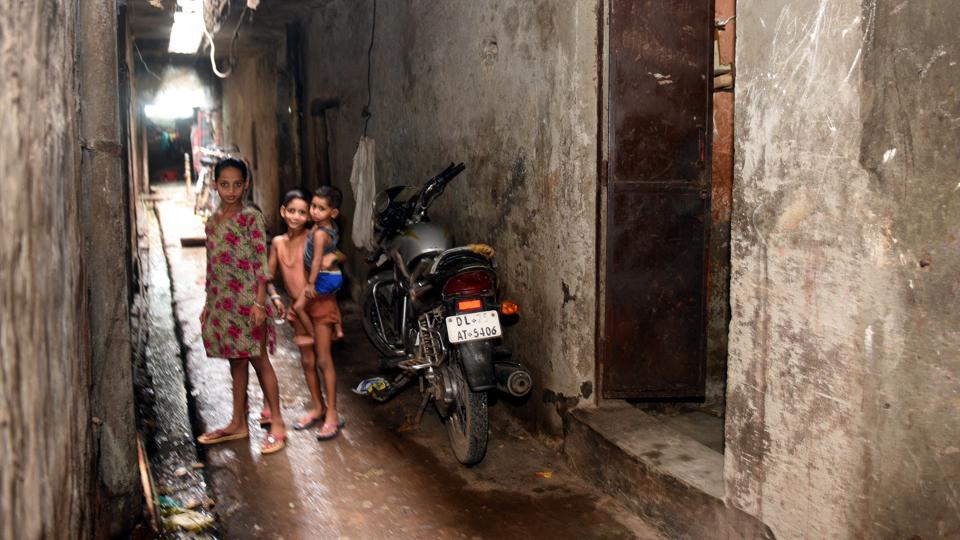
The initiative is a part of the National Nutrition Mission (NNM) that received Cabinet approval last year. The NNM, as the apex body, will monitor, supervise, fix targets and guide the nutrition-related interventions. “The Ayush ministry is on board to create region-specific meal plans using locally available ingredients and medical plants to improve nutrient absorption, boost immunity and rejuvenate the body and mind,” says Vaidya Rajesh Kotecha, secretary, Ayush ministry.
Among the plants and herbs that make it to the superfoods list are amla (Indian gooseberry), sonth (dry ginger powder), kachchi haldi (fresh turmeric) and giloy (heart-leaved moonseed), apart from and ashwagandha and moringa. Experts find it a workable plan to meet local nutritional requirements. “It is best to pick up basic local food and encourage people to consume it for it won’t only meet the nutritional requirements, but also suit the local palate and reduce the cost drastically. Taking food supplements or packaged food items from outside the state isn’t a good idea in the long run,” says Ritika Samaddar, regional head- dietetics, Max Healthcare.
The government will make use of community health workers to disseminate knowledge about these locally available foods at the grassroots levels. “It will not only be about using what is available, but also on how to preserve, cook and eat foods to obtain the maximum benefits from each ingredient. The focus on holistic nutrition will help India to lower malnutrition,” said Kotecha.
The ministry is also developing customised yoga modules to aid digestion and improve circulation. “There will be dedicated modules for children, adolescents, lactating mothers, pregnant women, adults etc. It is all about going back to roots... to benefit the needy population,” he added.
Close to 36% of India’s under five children are underweight, 38.4% are stunted and 58.6% are anaemic, according to the National Family Health Survey data (2015-16).