
 E-Paper



'To make it harder...': JD Vance on how US hopes to use India tariffs to pressure Russia
Ties between Washington and New Delhi have been strained since the Trump administration moved against India's purchase of discounted Russian crude oil.

 Prefer HTon Google


US Vice President JD Vance has said President Donald Trump's decision to impose 50 per cent tariffs on Indian imports was aimed at creating “aggressive economic leverage” to pressure Russia into halting its attacks on Ukraine.
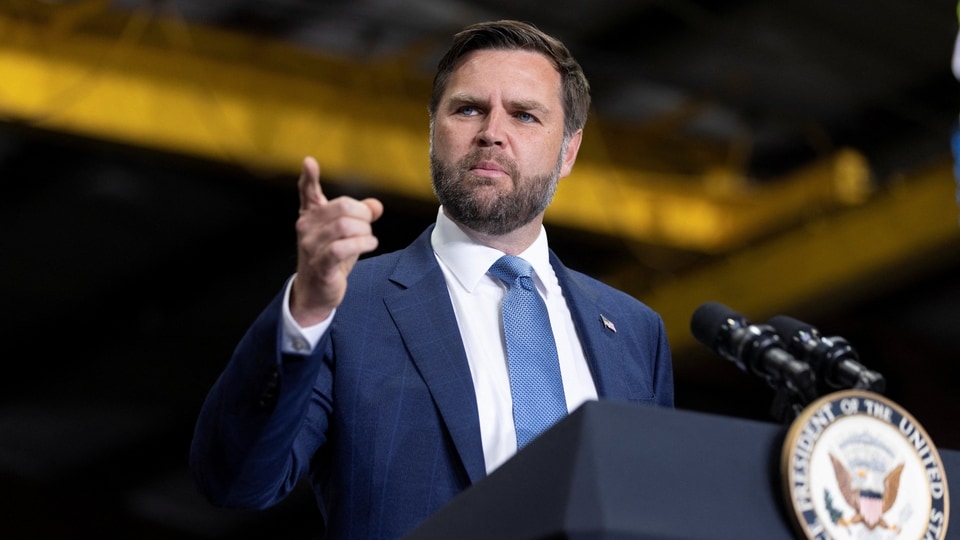
“Trump has applied aggressive economic leverage, for example, secondary tariffs on India, to try to make it harder for the Russians to get rich from their oil economy,” Vance told NBC News' Meet the Press.
Despite challenges after Trump's recent meeting with Russian President Vladimir Putin, Vance expressed confidence that the US could help end the war.
“We believe we've already seen some significant concessions from both sides, just in the last few weeks,” he said.
Also Read | ‘Significant concessions’: What US VP JD Vance said on Russia-Ukraine peace talks
“He (Trump) tried to make it clear that Russia can be reinvited into the world economy if they stop the killing. But they are going to continue to be isolated if they don't stop the killing,” he added.
Expressing optimism over America's capability to facilitate peace between Russia and Ukraine, Vance said, “We believe we've already seen some significant concessions from both sides, just in the last few weeks.”
US, India ties on the fritz
Ties between Washington and New Delhi have been strained since the Trump administration moved against India's purchase of discounted Russian crude oil.
The US has avoided criticising China and Europe, which remain the largest buyers of Russian crude oil and gas.
Earlier this month, Trump announced Washington would raise tariffs on Indian products to 50 per cent, with an additional 25 per cent duty introduced as “punishment” for India's energy trade with Moscow.
Washington said that India's imports of Russian oil are helping fund Moscow's war against Ukraine, an allegation India rejects. New Delhi has maintained that its energy policy is based on national interest and market realities.


