E-Paper



Odisha train tragedy: A week on, identifying bodies still a task
Odisha state government officials said that 206 of 288 bodies have been identified.

 Prefer HTon Google


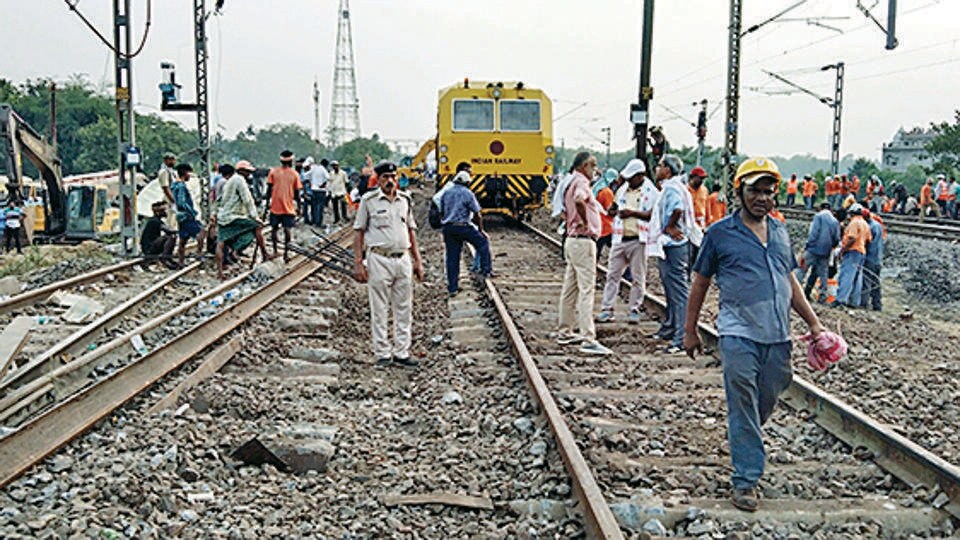
Mohammad Tanvir Alam rushed to Odisha from Hyderabad earlier this week, concerned about the fate of his elder brother and two nephews that were traveling on the Coromandel Express on June 2that crashed into a goods train, its derailed bogeys then colliding with the Yeshwantpur Howrah Express, leaving 288 dead and over 1100 injured.
Read here: Odisha train accident: Shrieks, screams ensued as Coromandel Express crashed. Video
Alam found his elder brother dead, tracked down the body of one nephew and was given its custody, but now faces a battle for the body of his second, 14-year-old nephew, that he has identified from his photographs. The problem though for Alam is, that four other families at the AIIMS mortuary in Bhubaneswar, have all laid claim to the same body.
Close to a week after the deadliest train accident in India in three decades, Odisha state government officials said that 206 of 288 bodies have been identified, but correctly handing over the remaining 82 bodies is now a growing challenge. And it isn’t just the bodies still left at the morgue. In several cases, even those that have been sent to what the administration thought were the right families, have come under contest.
Sibakanta Roy from West Bengal’s Cooch Behar said that the body of his 22 year old son Bipul Roy was claimed by a family from Bihar, taken away and since cremated. “I was in Arunachal Pradesh when the accident happened. I rushed to Balasore, where I found the photograph of my son on the deceased list. At AIIMS, I was told his body has been taken away by a family from Bihar,” Roy said.
Authorities said that the only resolution is a DNA test. “The tests are being done in Delhi and results will take seven to ten days. Only once DNA samples match will we hand over the body,” said Vijay Amruta Kulange, commissioner, Bhubaneswar municipal corporation. By Thursday evening, the BMC had sent 57 DNA samples for testing.
Odisha Chief Secretary Pradip Jena did not comment on bodies that have already been taken away coming under contest.
Read here: ‘I am alive’: Presumed dead in Odisha train accident, man wakes up and seeks help
Meanwhile, Balasore district officials said that sections of the Bahanaga high school, the first place where the bodies of the dead were stacked, may be demolished because children have raised apprehensions returning to that building when classes resume after the summer break. Balasore district collector Dattatraya Bhausaheb Shinde said, “I have met members of the school management committee, headmistress, other staff and local people. They want to demolish the old building and renovate it so that children do have any fear or apprehension to attend classes.”