E-Paper



Quota benefits only for marginalised transgender persons, Centre tells SC
The Union government has informed the Supreme Court that transgender persons can avail themselves of quota benefits only if they fall under the existing categories of reservation

 Prefer HTon Google


The Union government has informed the Supreme Court that transgender persons can avail themselves of quota benefits only if they fall under the existing categories of reservation, even as a 2014 apex court judgment ordered the Centre and states to treat them as “socially and educationally backward classes and extend all kinds of reservation” in government jobs and higher education.
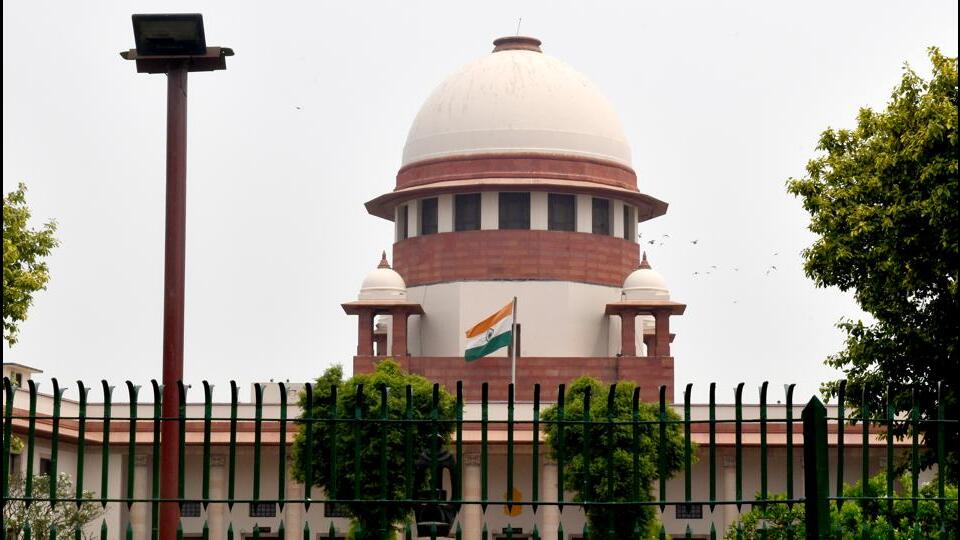
In an affidavit filed in response to a show-cause notice of contempt, the Centre maintained that there are no separate reservations for transgender persons in education or employment and that they can access such benefits if they belong to the scheduled caste (SC), scheduled tribe (ST), socially and economically backward classes (SEBC), or economically weaker section (EWS) communities.
“The benefits of reservation in matters of direct recruitment in central government services and in admission to central government higher educational institutions are as follows: SC- 15%; ST- 7.5%; SEBC - 27%; EWS - 10%. The benefits of any of the reservation, including the above four reservations, can be availed by the marginalised and eligible population of the country, including transgender persons,” said the Centre’s affidavit, filed through the Union ministry of social justice and empowerment.
The government further pointed out that any transgender person outside the SC/ST/SEBC communities with family income of less than ₹8 lakh is automatically included in the EWS category. “It is respectfully submitted that the entire marginalised and eligible population of the country (including transgenders) is at present covered under any one of the four categories,” said the affidavit, maintaining silence on complying with the 2014 order of the top court.
In the 2014 judgment, the Supreme Court ordered: “We direct the Centre and the state governments to take steps to treat them as socially and educationally backward classes of citizens and extend all kinds of reservation in cases of admission in educational institutions and for public appointments.”
The direction by the apex court had come in a landmark judgment which granted legal recognition to transgenders as a third gender, putting personal autonomy and right of choice on a par with human dignity. It had at that time issued a slew of directions for the Centre and the states to frame various social welfare schemes for their upliftment, besides ensuring they are considered as SEBC for the purposes of accessing reservation benefits.
In 2016, the transgender rights bill was drafted by the government in response to the Supreme Court’s 2014 judgment that confirmed the rights of the community. But almost immediately, activists and transgender groups criticised the draft legislation for confused definitions, focus on medical screening and criminalisation of traditional occupations such as begging.
The bill was then sent to a select committee and underwent several modifications before being passed by Parliament in November 2019. While the parliamentary panel had criticised also the bill for not dealing with the issue of reservation for transgender persons under the OBC quota, the final draft of the bill chose not to provide quota benefits to the community.
After a group of transgender persons moved the Supreme Court alleging that the Centre and the state governments have failed to abide by the directives of the 2014 judgment, a show-cause notice of contempt was issued by the court in March this year.
Submitting its affidavit last week, the ministry has claimed that it has taken several steps since the 2014 judgment to ameliorate the problems of the transgender community and offer them a dignified living. Some of the steps enumerated in the affidavit included creation of a national portal for their registration and issuance of certificates, framing the 2019 law to prohibit discrimination against transgender persons and creation of a national council for transgender persons in 2020 to advise the government on policies, programmes, legislation and projects with respect to the community.
The contempt matter is expected to be heard on August 18 by a bench headed by Chief Justice of India Dhananjaya Y Chandrachud. On that day, the bench will also take stock of the steps taken by the states and Union territories to comply with the 2014 judgment.