
 E-Paper



Excise and contempt cases against Arvind Kejriwal set for hearing in Delhi high court
The cases involve a CBI appeal against Kejriwal’s discharge in the excise policy case and contempt proceedings over alleged defamatory posts against a judge.

 Prefer HTon Google


Days after justice Swarana Kanta Sharma initiated criminal contempt proceedings against former Delhi chief minister Arvind Kejriwal and other Aam Aadmi Party leaders and withdrew herself from hearing related matters, two separate benches of the Delhi High Court are scheduled to hear the cases on Tuesday.
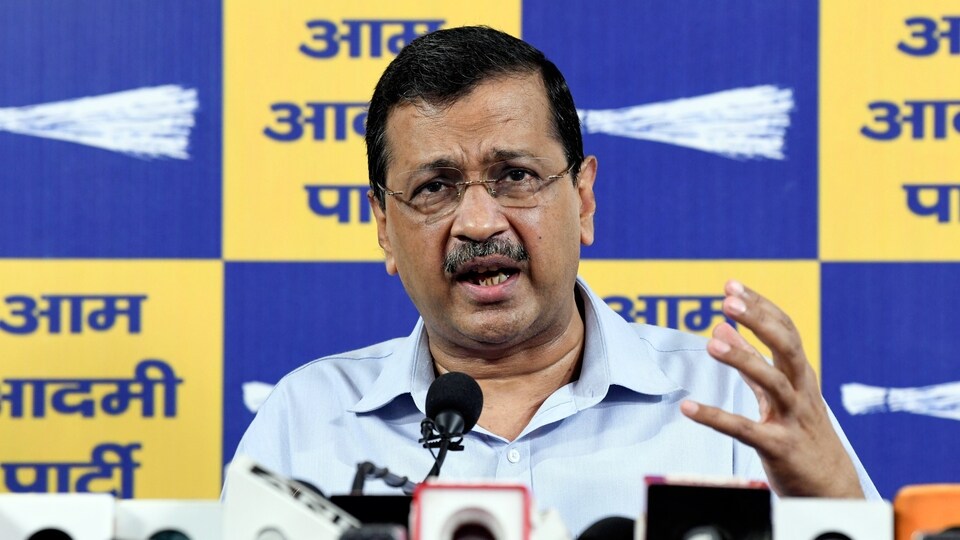
The Central Bureau of Investigation (CBI’s) appeal against the trial court’s February 27 order discharging Kejriwal and others in the Delhi excise policy case will be heard by a bench headed by justice Manoj Jain, while the criminal contempt proceedings will be heard by a division bench comprising justices Navin Chawla and Ravinder Dudeja. The matter began on February 27 when a trial court discharged Kejriwal and others in the case. The CBI later challenged the in Delhi High Court.
Background of excise policy case litigation
On March 9, Justice Swarana Kanta Sharma stayed the trial court’s direction for departmental action against a CBI officer and deferred Enforcement Directorate proceedings. Kejriwal sought to transfer the matter from her bench. Chief Justice DK Upadhyaya rejected it on March 13.
Recusal pleas and boycott of proceedings
On April 5, Kejriwal, and others sought Justice Sharma’s recusal, which she dismissed on April 20. Kejriwal informed the judge on April 27 that he would boycott the proceedings. AAP leaders Manish Sisodia and Durgesh Pathak wrote similar letters.
On May 5, the court appointed senior advocates as amicus curiae to represent the three leaders, but the matter was deferred on three occasions.
Contempt action and judge’s withdrawal
Justice Sharma initiated contempt proceedings against Kejriwal, Sisodia, Pathak, Sanjay Singh and Saurabh Bhardwaj over allegedly defamatory, contemptuous and vilifying material posted against the judge on social media. She withdrew herself, saying the law did not permit a judge who has initiated contempt proceedings to continue hearing that matter.
She clarified that her earlier April 20 order, refusing to recuse from the excise policy case, stands. Justice Sharma said she refused to recuse as Kejriwal adopted a course of “vilification” and “intimidation.” She observed that instead of challenging the order before the Supreme Court, Kejriwal chose to issue a letter boycotting the proceedings and released a video in which, according to the court, he levelled false allegations against her that had been adjudicated in the April 20 verdict.
She said that Kejriwal orchestrated a campaign of vilification by circulating and criticising the order on social media to ridicule the court. She said his actions sought to sow distrust among the general public against her, attribute political influence and lack of judicial independence to the court, and undermine its authority.


