
 E-Paper



Delhi excise policy case: CBI opposes Kejriwal’s plea seeking judge’s recusal
CBI opposes plea for Justice Sharma's recusal in Kejriwal's excise case, arguing attendance at a legal seminar doesn't imply bias. Hearing on April 13.

 Prefer HTon Google


New Delhi
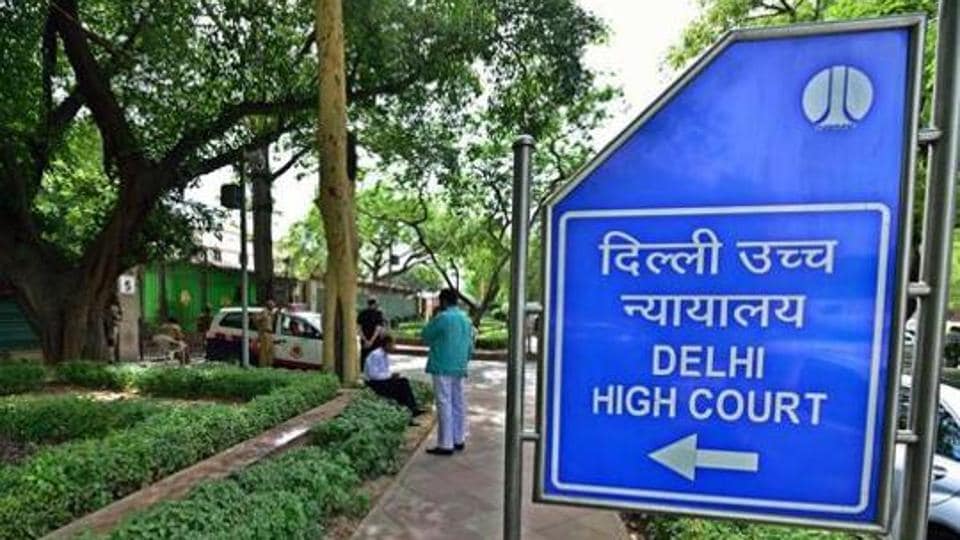
The Central Bureau of Investigation (CBI) has opposed before the Delhi High Court a plea filed by Arvind Kejriwal, Manish Sisodia and four others, seeking the recusal of justice Swarana Kanta Sharma from hearing its appeal against their discharge in the Delhi excise policy case. The plea contended that there was a likelihood that the judge was ideologically associated with the RSS’s legal wing, Akhil Bharatiya Adhivakta Parishad (ABAP), since she attended its events.
The application would be heard on April 13.
In its 39-page affidavit filed on Wednesday, also opposing applications filed by applications filed by Durgesh Pathak, Vijay Nair, Arun Pillai and Chanpreet Singh Rayat, the agency submitted that a judge’s participation in a legal seminar organised by the ABAP cannot constitute a valid ground for recusal—particularly when the subject of the seminar was not political in nature, and therefore does not demonstrate an ideological bias.
“Firstly making such unscrupulous and sweeping averments in seeking to attribute bias to a particular bench for merely having attended legal seminars which were not related to any political topic whatsoever, amounts to a clear attempt to (i) scandalise and lower the authority of a Court, (ii) attempting to interfere with the administration of justice and therefore amounts to Contempt of Court,” the affidavit read.
It read, “Further, it is submitted that attending a legal seminar can never be a ground for recusal when the topic of the seminar was not a political one therefore it does not demonstrate any ideological association, hence the said averment is also otherwise untenable. If attending a function of Akhil Bhartiya Adhivakta Parishad shows ideological bias of any judge then large number of sitting High Court and Supreme Cburt judges would have to recuse from hearing any case where Politically Exposed Persons are accused.”
The affidavit further stated that any apprehension regarding lack of a fair or impartial hearing must be reasonable and based on tangible material, rather than on conjectures or surmises. It added that accepting recusal requests in the absence of substantive grounds would seriously undermine the credibility and independence of the judiciary.
On February 27, the trial court discharged Kejriwal, Sisodia and 21 others, concluding that the CBI’s material did not constitute a prima facie case. The CBI approached the high court, challenging the trial court’s verdict on the grounds that the verdict was passed by “ignoring” the evidence gathered by the agency.
On March 9, the high court stayed till March 16 the trial court’s order directing departmental action against CBI’s investigating officer and observations against him, noting that the remarks were “prima facie foundationally misconceived, especially when made at the stage of charge itself”. The judge had also requested that the trial court defer the Enforcement Directorate’s money laundering case stemming from the CBI case and await the outcome of the CBI’s appeal against the February 27 verdict.
However, Kejriwal and others later filed an application before the Delhi high court chief justice DK Upadhyaya seeking transfer of CBI’s appeal to another judge, but the same was rejected on March 13, following which Kejriwal and others on Sunday moved an application seeking justice Sharma’s recusal.
In their application, Kejriwal and others had also stated that there existed a “grave, bona fide and reasonable apprehension” that the proceedings may not be conducted impartially or neutrally, alleging that the court, besides her ideological association, had also passed ex parte directions deferring proceedings in the ED case without any specific prayer to that effect.
The CBI’s affidavit pointed out that the same judge has also given favourable orders and reliefs to other persons accused in the case, including Arun Ramachandran Pillai. “Passing of both favourable and unfavourable orders to the accused/applicant itself shows that there cannot be any apprehension of bias whatsoever, the applicant has placed selective orders and suppressed favourable orders passed by this hon’ble bench and the present applicable is liable to be dismissed on this ground alone,” the affidavit read.
It further stated that the allegation of “bias” cannot be founded on views expressed by judges in the course of judicial proceedings or in their decisions and argued that if such a standard were accepted as the basis for recusal, it would effectively enable forum shopping or bench selection by litigants seeking the recusal of judges on the ground that their past observations appear unfavourable.

Stay updated with all top Cities including, Bengaluru, Delhi, Mumbai and more across India. Stay informed on the latest happenings in World News along with Delhi Election 2025 and Delhi Election Result 2025 Live, New Delhi Election Result Live, Kalkaji Election Result Live at Hindustan Times.


