
 E-Paper



Union health minister confirms success of existing population policy
Amid states like Uttar Pradesh proposing a law on population control, the Union government reported a decreasing fertility rate and a halving in the rates of teenage births and marriages, just by successfully implementing the national population policy of 2000


Amid states like Uttar Pradesh proposing a law on population control, the Union government reported a decreasing fertility rate and a halving in the rates of teenage births and marriages, just by successfully implementing the national population policy of 2000.
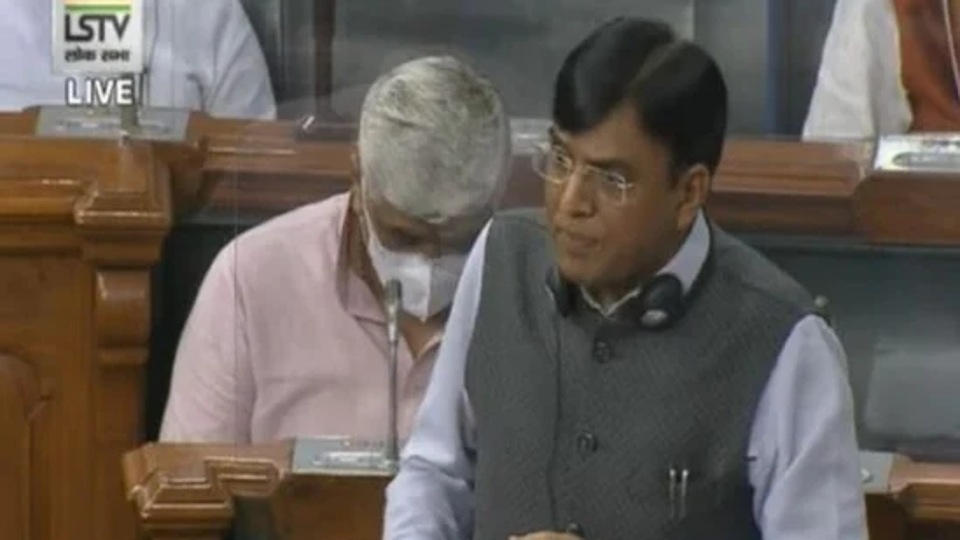
Responding to a question by Bhartiya Janata Party MPs Ravindra Kushwaha and Manoj Tiwari, Union health minister Mansukh Mandaviya on Friday said, “The total fertility rate has declined from 2.7 to 2.2 from 2005-06 (NFHS III) to 2015-16 (NFHS IV). The decadal growth rate has declined from 21.54% in 1990-2000 to 17.64% during 2001-11.”
MPs Kushwaha and Tiwari sought the government’s response to a report which stated India to become the most populous country by 2027. They also asked if the government had taken recommendations from MS Swaminathan Committee, which had offered suggestions like having a target-free approach on contraceptive use.
Minister Mandaviya confirmed involving the Committee’s recommendations. Presenting proof of success for the government’s population control initiatives, he revealed statistics (that measure changing factors in population) showed a downward trend. The total fertility rate declined from 2.7% to 2.2% (2005-06 to 2015-16), the decadal growth rate declined from 21.54% to 17.64% (1990-2000 to 2001-11), crude birth rate declined from 23.8% to 20.0% (2005 to 2018), and the teenage birth rate was also halved from 16% to 8%.
Recently, some BJP-led states showed support for legislation that would control India’s population level. UP government released a population control draft that de-incentives people from having more than two children. Not meeting this criterion would bar government employees from promotions, restrict people from contesting local polls or receiving subsidies.
Assam chief minister Himanta Biswa Sarma also indicated that large families were likely to lose certain state benefits. He added, “There is no point in talking about what our parents did or others did in the 1970s.”
Congress leader Salman Khurshid had earlier taken a jab at UP’s draft bill by saying that politicians should first declare how many children they have. Bihar’s CM Nitish Kumar on 12 July said that he was not in favour of any such law and that data shows educating women would reduce population growth.
Vasectomy Fortnight, which encouraged male participation in family planning and post-abortion family planning services, were among some of the initiatives listed by the government for curbing India’s population growth.


