E-Paper



Mass drug administration campaign to eliminate Lymphatic Filariasis launched
Lymphatic Filariasis is a serious public health problem in the country and, according to the World Health Organisation (WHO), is among the leading causes of long-term disability worldwide


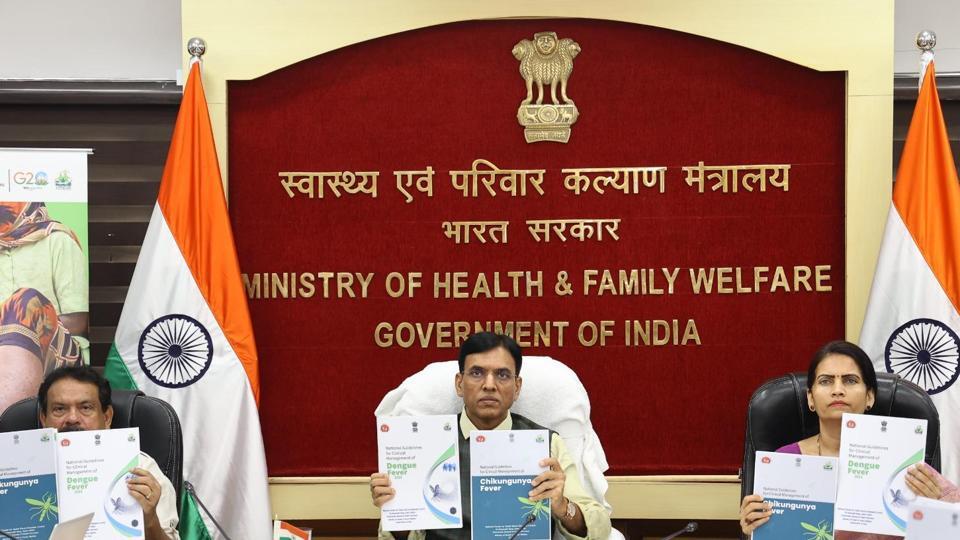
The Union health ministry on Thursday launched a mass drug administration exercise in nine endemic states to reach its target of lymphatic filariasis elimination in the next four years.
Lymphatic filariasis, commonly known as elephantiasis, is a neglected tropical disease.
India has set 2027 as the target to eliminate it, three years ahead of the global disease elimination target of 2030.
“India is committed to eliminating lymphatic filariasis by 2027, three years ahead of the global target through mission mode, multi partner, multi sector targeted drive. Through Jan Bhagidaari and Whole of Government and Whole of Society approach, we shall be able to eliminate this disease from the country,” said Union health minister, Mansukh Mandaviya, while launching the campaign.
The campaign will cover 81 districts in nine endemic states— Assam, Bihar, Chhattisgarh, Jharkhand, Karnataka, Maharashtra, Odisha, Telangana and Uttar Pradesh.
Also Read: Allahabad University scientists’ findings may help find treatment for lymphatic filariasis
“Efforts must not be limited to taking medicines, but also aid in eliminating spread of diseases via mosquitos, without which progress to achieve our goal will be significantly restricted,” he added.
The health minister also stressed on enhancing synergy between state and central governments for ensuring a healthier nation for all.
“Community engagement will contribute significantly in garnering success in this mission by the involvement of all stakeholders starting from the grassroots levels,” said Mandaviya.
Underscoring the wide reach of mass movement, the health minister added that incorporating awareness generation, and ensuring communication campaigns at villages, panchayats will galvanize the movement leading to wide reach across the nation.
To further strengthen efforts, Mandaviya advocated that greater emphasis should be placed in consumption of medicine in front of healthcare workers or professionals as measure in eradicating this disease.
“The launch of the mass drug administration campaign against filariasis marks a pivotal moment in our nation’s health agenda. In our quest to eliminate Lymphatic Filariasis, it is vital that endemic districts consistently achieve robust MDA coverage. Our collective determination will serve to transform lives in endemic regions by elimination of Lymphatic Filariasis,” said Sudhansh Pant, the newly appointed Union health secretary.
Lymphatic Filariasis is a serious public health problem in the country and, according to the World Health Organisation (WHO), is among the leading causes of long-term disability worldwide.
Infection occurs when filarial parasites are transmitted to humans through mosquitoes.
Infection is usually acquired in childhood causing hidden damage to the lymphatic system.
The painful and profoundly disfiguring visible manifestations of the disease, lymphoedema, elephantiasis, and scrotal swelling occur later in life and can lead to permanent disability.
According to estimates, India bears nearly 40% of the global burden of this parasitic vector borne disease.