
 E-Paper



US urges India, Bangladesh to resolve differences peacefully
Foreign secretary Vikram Misri expressed New Delhi's concerns about the safety and security of minorities in Bangladesh.

 Prefer HTon Google


The United States has called for India and Bangladesh to resolve their differences peacefully. State Department spokesperson Matthew Miller made the statement during a daily news briefing on Tuesday.
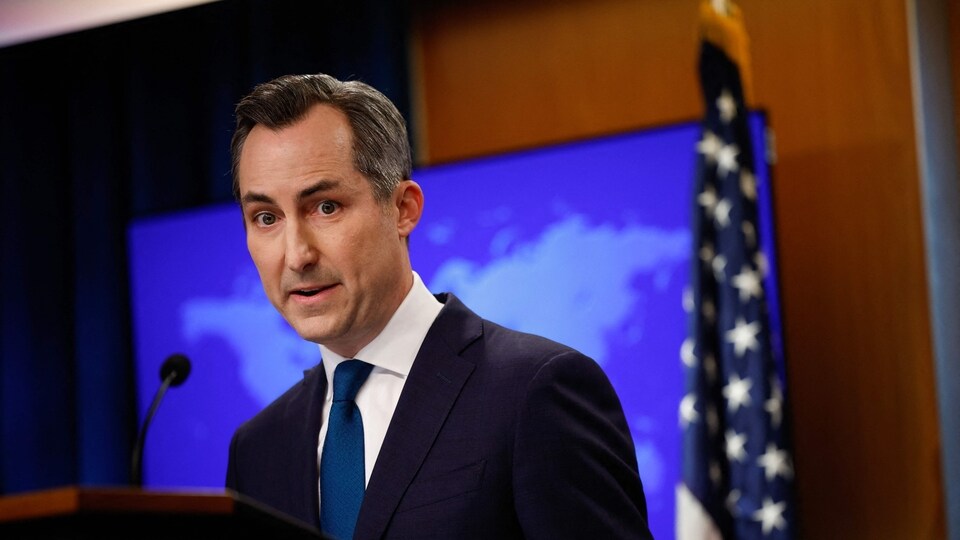
“We want to see all parties resolve their disagreements peacefully,” Miler said, responding to a question on the recent visit of India's foreign secretary to Bangladesh.
During his visit earlier this week, foreign secretary Vikram Misri expressed New Delhi's concerns regarding the safety and security of minorities in Bangladesh.
Read: After India flags safety of Hindus, Bangladesh confirms 88 attacks on minorities
“I have underlined India's desire to work closely with the interim government of Bangladesh. At the same time, we also had the opportunity to discuss certain recent developments and issues, and I conveyed our concerns, including those related to the safety and welfare of minorities,” Misri told reporters in Dhaka at the end of his visit.
He also said that both sides used the discussions to take stock of bilateral ties and that he emphasised India’s desire for a “positive, constructive and mutually beneficial relationship” with Bangladesh.
India perceives its ties with Bangladesh as a “people-centric and people-oriented relationship” that has the “benefit of all the people as its central motivational force”, he said.
India-Bangladesh relations have been strained since former premier Sheikh Hasina stepped down in the face of widespread protests spearheaded by student groups in August, and the subsequent formation of the interim government led by Yunus.
Hasina sought refuge in India and Yunus and other leaders of the caretaker setup have spoken of seeking her extradition.
The power vacuum following the ouster of Hasina was marked by attacks on Hindus and other minorities and the torching and arson of the Indian government-run Indira Gandhi Cultural Centre in Dhaka.
Several Indian states bordering Bangladesh, including West Bengal and Tripura, have witnessed protests by Hindu groups over the arrest of Das, who was held on sedition charges.
The Bangladeshi consulate in Tripura’s capital Agartala was stormed last week by a large group of protestors, who vandalised property and desecrated the Bangladeshi flag.
With PTI inputs


