
 E-Paper



Uttarakhand to amend live-in relationship rules for greater ‘flexibility’: All you need to know
The proposed changes focus on improving the registration and termination process for cohabiting relationships.

 Prefer HTon Google


The Uttarakhand government has filed a 78-page affidavit in the high court regarding the state's live-in relationship rules, informing the court that it's changing a few provisions under the Uniform Civil Code (UCC) for greater “flexibility.”
The affidavit submitted by Advocate General SN Babulkar before a division bench of Chief Justice G Narendra and Justice Subhash Upadhyay on October 15 states that the amendments included Rule 380 of the Registrar's Office, which lists the conditions under which a live-in relationship cannot be registered. These are situations where the couple belongs to a prohibited level of relationship, if one or both are already married or living in another cohabiting relationship, or if one of the couple is a minor.
What are the changes in the live-in relationship rules in Uttarakhand?
According to the affidavit submitted by the Uttarakhand government, the proposed changes focus on improving the registration and termination process for cohabiting relationships, clarifying the rules on sharing information with the police, and extending the appeal period for rejected applications.
- The amended provisions seek to limit the scope of data sharing between the registrar and the local police, making it clear that this is being done solely for “record-keeping purposes.”
- The proposed amendments also include changes related to the mandatory use of Aadhaar as proof of identity in various registration and declaration processes. These changes primarily aim to provide "flexibility" by allowing alternative identification documents in cases where applicants cannot provide Aadhaar, especially in cases where they are not the primary applicant.
- The affidavit also said that an amendment proposes to increase the time period for applicants to challenge the registrar's decision rejecting a declaration of cohabitation from 30 days to 45 days from the date of receipt of the rejection order.
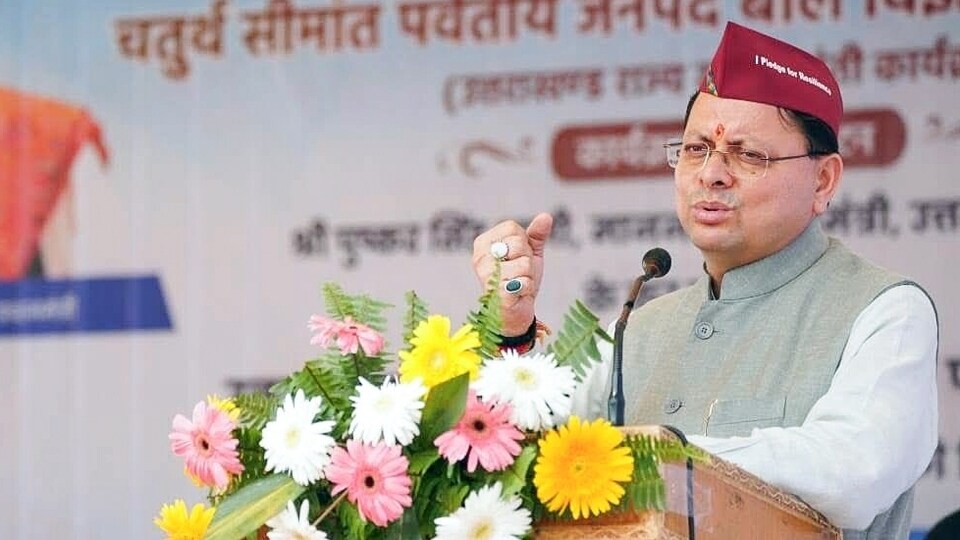
Uttarakhand became the first state to implement the Uniform Civil Code in January this year. The Pushkar Dhami government said that the UCC envisages common rules for marriage, inheritance, maintenance, and other civil matters of all religions.
According to the rules, live-in relationships must be registered, and the registrar will inform the couple's parents. CM Dhami said children born through live-in relationships will also have equal property rights.


