
 E-Paper



View: Tahawwur Rana's extradition proves Pakistan, not Taliban, is epicentre of terror
Tahawwur Rana's extradition to India could open Pandora’s box in the case. Security agencies will get to know about the local involvement in the Mumbai attack

 Prefer HTon Google


The Indian security agencies have a sense of satisfaction that 16 years after the 26/11 Mumbai massacre by the banned Lashkar-e-Tayyeba (LeT) jihadists, one of the key orchestrators of the Pakistani ISI plot, Tahawwur Rana, is being extradited from the US to India.
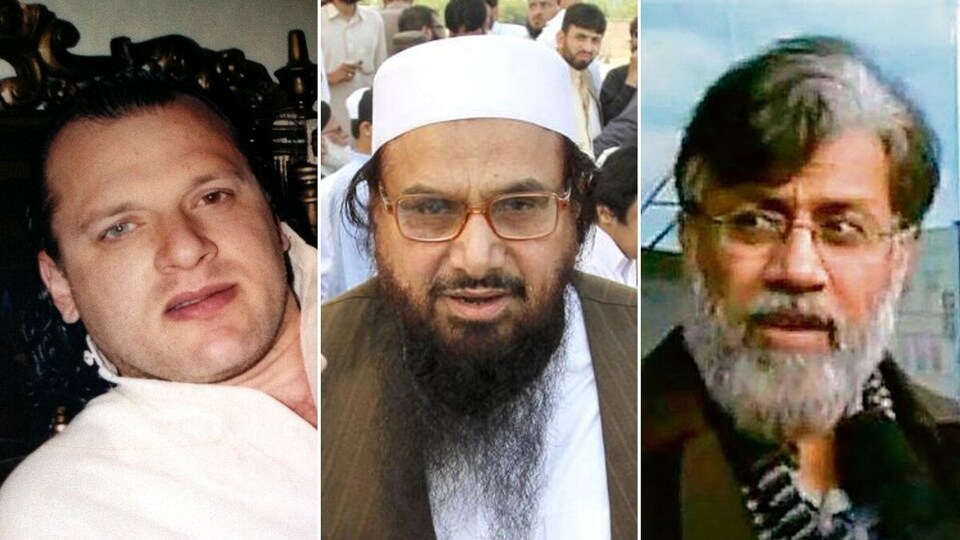
Rana, along with incarcerated David Coleman Headley (also known as Pakistani Daood Gilani), ex-Pakistan army jihadists Abdur Rehman Hashim, Sajjid Mir, Illyas Kashmiri, and Pakistan ISI handlers identified by Headley as Major Sameer and Major Iqbal, were all implicated in a trans-national terrorist plot. This operation, involving ISI, Al Qaeda, and LeT, aimed to murder innocents in Mumbai and attack the Danish newspaper and the Denmark Embassy in Islamabad in retaliation for publishing cartoons depicting Prophet Mohammed in 2005.
While the principal 26/11 plotters, Hashim and Mir, visited India in May 2005 using the relaxed visa policy “Aman ki Aasha” during the Manmohan Singh led-UPA government’s tenure in the garb of watching cricket matches of the Pakistani team, Headley made five trips to India to recce the terror targets.
His facilitator, Rana, also visited India on November 13, 2008, just days before the attack to ostensibly to visit his wife Shamraz’s relatives in Meerut and Hapur, apart from Agra and Kochi, along with his daughter Zoya. The fact is that Rana was tying the loose ends and logistical support for the impending attack.
During the 26/11 massacre, Sajjid Mir, who still lives under ISI protection in Pakistan, played the role of the chief operational planner of the terror attack. Hashim alias Pasha, Kashmiri, and his 313 brigade were linked up in attacking American assets in Afghanistan in support of Al Qaeda.
Headley, who used the cover of Rana’s visa firm First World Immigration Services to enter India, is currently rotting in Chicago prison as part of the legal deal.
Even though it has been 16 years since the bloody massacre, the extradition of Rana to India could open Pandora’s box as, for the first time, there is a possibility that Indian security agencies will get to know about the local involvement in the LeT attack. Rana could also shed light on the direct involvement of LeT chief Hafiz Saeed as well as the names of those ISI operatives involved in this terror joint venture.
The jihadist could also shed light on the involvement of the Pakistan civilian government at that time; after all, Headley was a cousin of Pakistan PM Yusuf Raza Gilani. It was Gilani who signed a bilateral pact with Manmohan Singh at Sharm-el-Sheikh, eight months after Indians were butchered in Mumbai. By unravelling the 26/11 attack, Rana will bring back the spotlight on Pakistan as the epicentre of global terrorism with LeT and Jaish-e-Mohammed (JeM) jihadi groups still openly operating in the Islamic nation.
Since August 15, 2021, for India, the Af-Pak region stands de-hyphenated as even the ruling Taliban regime has made it clear that it will not entertain any group to target India.
The Taliban regime, on the other hand, has made no promises to Pakistan as fraternal brothers Tehreek-e-Taliban, Pakistan continue to target Pakistan Army mercilessly, Kabul refuses to recognize the Durand Line as an international border as it divides the Pashtun community and Baloch rebels are active in struggle to liberate Balochistan from ruling Pakistani Punjabis in Lahore.
While New Delhi has no intentions of engaging Islamabad till such time that Pakistan stops its principal export of terrorism into India, the Modi government engaged Taliban’s acting foreign minister Mawlawi Amir Khan Muttaqi on January 9 in Dubai.
The meeting was not easy as the top Taliban leadership is proscribed by the UN under the 1267 resolution, and the meeting took place with the knowledge of India’s very close ally, the UAE.
The ruling Taliban recognizes the supporting role played by India in building Afghanistan in the past 25 years and is keen that the western world recognizes the interim regime in Kabul.
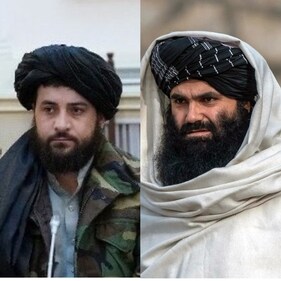
But here lies the problem. Even though Kabul, under the dominance of Interior Minister Sirajuddin Haqqani and Kandahar, under the influence of defence minister Mullah Yaqoob, are on the same page and are pragmatic people, Taliban supreme leader Hibatullah Akundzada is in no mood to dilute Islamic principles on human rights and girl education as he firmly believes in the implementation of Islamic Shariah. However, the three of them are on the same page on Pashtun nationalism, Durand Line and Pakistan perfidy.
International community has no appetite to intervene in Afghanistan
While Pakistan is playing both the Russia-China-Iran axis and the US to make itself relevant in Afghanistan in the context of terrorism, the Taliban are against exporting terror through Uighur Islamists into China via the Wakhan corridor as well to the Indian UT of Jammu and Kashmir.
The international community, after August 15, 2021 capture of Kabul, has no appetite to intervene in Afghanistan after big powers Russia and US were kicked out of Kabul by the Taliban on both sides of the millennium. Hence, the role of India is important as New Delhi has never sent troops to Afghanistan despite written recommendations of its diplomats post 9/11 attacks.


