
 E-Paper



Why Kokernag engagement is a positive sign for security forces
No less than 35 Jaish jihadists have infiltrated India through the Samba-Kathua sector with Masood Azhar’s younger brother Rauf Ashgar running the terror ops

 Prefer HTon Google


Even though the Indian Army lost two brave hearts in ongoing Kokernag operations in South Kashmir last Saturday, the engagement is being viewed positively by the security establishment as it indicates bridging the gap between actionable intelligence and the armed response of the security forces.
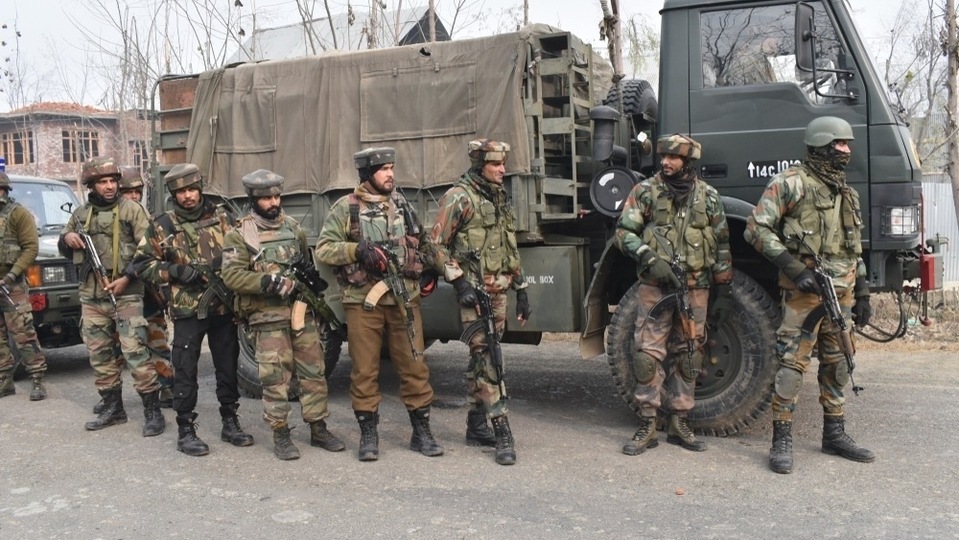
Intelligence inputs indicate that as many as 35 Pakistani nationals belonging primarily to the Jaish-e-Mohammed group have crossed over to the Indian side over the international border in the Samba-Kathua area with some 10 moving towards South Kashmir into the Kashmir Valley.
The globally designated Pakistan's Bahawalpur-based JeM terrorist group is operationally run by terror kingpin Rauf Asghar, younger brother of Masood Azhar, and the terrorists are being launched into J & K through Urjh Nullah on the Punjab-J&K border by JeM terrorist Kashif Jan.
While there are still gaps between actionable intelligence and armed response due to forested terrain and mountains, the Indian Army is now deployed in full force in the Jammu region with para-military forces being inducted as this story is being written including two battalions of Assam Rifles. Assam Rifles personnel are trained in forest-mountain warfare and have dealt with counter-insurgency for the past five decades in the northeast.
Even though the state police, IB, RA&W, and army need to synchronize counter-terrorist operations in Jammu and Kashmir, the security forces need to redefine their tactics and their capability in the area as infiltration from Pakistan must be checked and terrorists neutralized. The reason that terrorism has come to the fore in the Jammu region is due to the thinning of forces due to transgression by PLA in East Ladakh in May 2020.
While the Modi government decided to maintain force level in Kashmir, forces from Jammu were sent to Ladakh as they were acclimated to operate in higher reaches. The ongoing Kokernag operations show that Indian security forces are finally getting intelligence against the terrorists and it is only a matter of time when these jihadists are neutralized.
Indian Army augmented force levels in Jammu
Fact is that the Indian Army has augmented force levels in Jammu along with an increased presence of para-military forces in the second tier of the counter-terrorism grid. The new Indian Army Chief Gen Upendra Dwivedi, Northern Army Commander Lt Gen Suchindra Kumar, and 16 Corps Commander Lt Gen Navin Sachdeva are all well-versed with the terrain of the Rajouri-Poonch sector and are willing to engage the Pak-sponsored terrorists at all costs.
While the security establishment is tight-lipped about on-going CT operations, positive results should be expected in the coming days with Home Minister Amit Shah making it amply clear to J&K Police as well as intelligence agencies to get their act together.


