
 E-Paper



Waqf (Amendment) Bill: Dispute resolution, CEO eligibility, and more
The Waqf (Amendment) Bill with 40 proposed changes, seeks to repeal several provisions of the current Waqf Act which governs Waqf Boards.

 Prefer HTon Google


The BJP-led NDA government at the Centre is planning to table the Waqf (Amendment) Bill in the Lok Sabha on Thursday to make changes to the Waqf Act 1995.
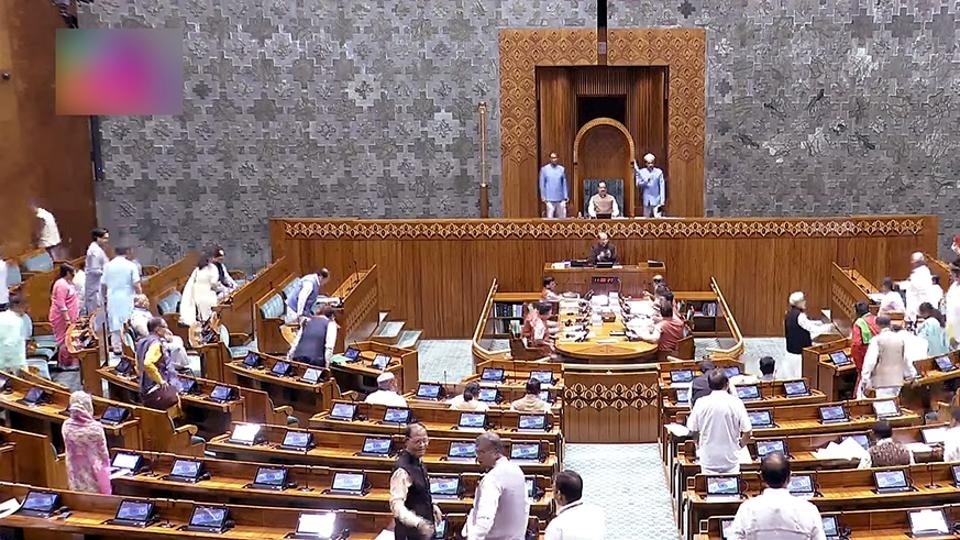
With 40 proposed changes, the Waqf (Amendment) Bill seeks to repeal several provisions of the current Waqf Act which governs Waqf Boards. It also suggests significant modifications including measures to ensure representation for Muslim women and non-Muslims in these bodies.
The draft of the Bill also proposes replacing the term ‘Waqf’ in the 1995 principal act with ‘Unified Waqf Management, Empowerment, Efficiency, and Development.’
Read: Sufi body backs Centre's Waqf Board plan after meeting NSA Doval, Kiren Rijiju
The Waqf Act of 1995 regulates ‘Auqaf,’ which refers to assets donated and designated as ‘Waqf.’ It also defines ‘wakif’ as someone who donates property for religious, charitable or pious purposes according to Muslim law. The original Waqf Act was first introduced in 1954.
What is new in the Bill?
The Bill gives district collectors the authority to resolve disputes between the Waqf Board and the government. If there is a question about whether a property is government-owned, the collector will investigate and report their findings to the state government.
The Bill also requires district collectors to check the validity of applications for property registration as Waqf and submit their reports to the board.
In the 1995 Act, this decision was solely under the authority of the Waqf tribunal and according to Section 6 of the Act, the tribunal's decision on such matters shall be final.
Also read: Proposed changes to Waqf Act spark political slugfest
The proposed Bill also changes the original Act’s requirement that the chief executive officer (CEO) of a Waqf Board must be from the Muslim community. While the original Act mandated that the CEO be Muslim, the new Bill eliminates this requirement.
Also, if the collector's report says the property is disputed or government-owned, it cannot be registered as Waqf until a court resolves the dispute.
The new Bill also proposes that the Waqf Board must send applications for Waqf property registration to the district collector. The collector will verify the authenticity and accuracy of the application details and then provide a report to the Board.
What is govt's disagreement with existing law?
The Bill asserts that Waqf Boards because of their existing powers are now “the third largest landowners after the Indian Armed Forces and the Railways” with their land holdings having doubled since 2009.
It also mentions that Waqf Boards have been given “unlimited authority” in registering properties. It further mentions that no other trust, mutt, akhara, or society enjoys a similar level of autonomy in managing their affairs.


