E-Paper



WFH for two days, no foreign travel for govt officials: Delhi govt's big move amid US-Iran war fallout
The measures, part of the city government’s public campaign titled “Mera Bharat, Mera Yogdaan”, came after PM Narendra Modi’s appeal to conserve fuel.

 Prefer HTon Google


Delhi chief minister Rekha Gupta on Thursday announced a slew of measures, including work-from-home for two days in government offices each week, staggered office timings, and a ban on official foreign travel for the next year.
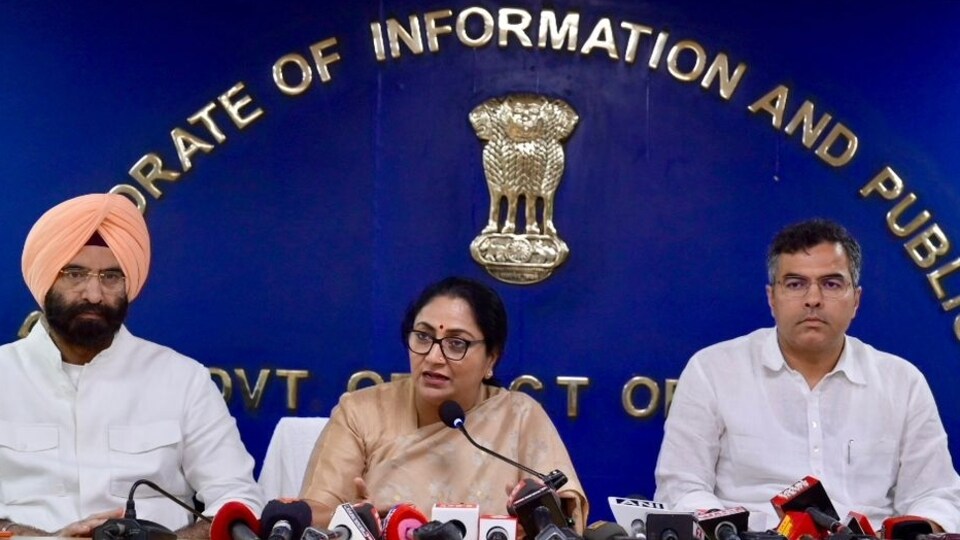
The measures, part of the city government’s public campaign titled “Mera Bharat, Mera Yogdaan”, came after Prime Minister Narendra Modi’s appeal to conserve fuel and reduce foreign exchange outflow amid the ongoing West Asia crisis.
On May 10, PM Modi urged citizens to cut down petrol and diesel consumption, avoid non-essential foreign travel, reduce gold purchases and adopt other fuel-conservation measures.
"As part of the plan, private companies will be advised to allow employees to work from home for two days a week wherever feasible, while government offices will also adopt a similar arrangement. The Labour Department will monitor implementation in the private sector," she said.
Gupta said the government had decided to launch the campaign following the prime minister’s appeal, and that it would include government officials and ministers travelling by metro on Mondays.
Also Read | PM Modi asks SPG to reduce convoy size as austerity step amid West Asia conflict
Staggered office timings, increased public transport use: Delhi govt
The government has also decided to introduce staggered office timings for civic, Delhi and central government offices to ease congestion and conserve fuel.
She also appealed to citizens to observe one “No Vehicle Day” every week and reduce the use of private vehicles on weekends.
The government will also halt fresh purchases of petrol, diesel, CNG and hybrid vehicles for the next six months, she said.
She said the transport allowances for employees could be increased if part of the allowance is spent on metro or other public transport services, she said.
The government is also planning upgrading feeder bus services in 29 government colonies to improve last-mile connectivity for metro passengers.
Also Read | Convoys shrink, metro rides rise as leaders tighten belts after PM Modi’s fuel-saving call
Delhi govt ministers to avoid foreign visits for a year
In another key measure, Delhi government ministers and officials will avoid official foreign visits for a year. Also, the government will not hold any major public events and conferences for the next three months to curtail expenditure, she said.
The campaign also aims to boost domestic tourism by inviting people from across the country to visit Delhi through special tourism plans, she added.
The government also plans to promote “Made in India” products through dedicated sections in malls and supermarkets and give preference to Indian-made goods in government procurement, she added.
The campaign includes a citizen pledge encouraging people to save fuel, use public transport, avoid unnecessary foreign travel and reduce excessive edible oil consumption. To conserve electricity, it has been decided that air-conditioner temperatures will be maintained between 24°C and 26°C in government offices, she said.
Also Read | Ministers use public transport; NDMC puts two-thirds of employees on WFH
Why WFH, online meeting push from Delhi govt?
The war started on February 28, disrupting shipping through the Strait of Hormuz, a key global oil transit route and triggering concerns over a wider energy crisis.
Delhi government ministers and senior officials on Wednesday began implementing a series of austerity and fuel-conservation measures following Prime Minister Narendra Modi’s austerity appeal.
Urging residents to follow suit, Gupta said a shift from private vehicles to Metro trains and buses would not only help save fuel but also reduce traffic congestion and air pollution.
The Public Works Department (PWD), Delhi Jal Board and the irrigation and flood control department also issued formal orders directing officials to prioritise virtual meetings, promote electric mobility and observe a weekly “No Car Day”.