E-Paper



WHO regional chief stresses on need to boost the surveillance against monkeypox
WHO regional chief Poonam Khetrapal Singh’s comments come a day after the United Nations health agency declared the disease a public health emergency of international concern.

 Prefer HTon Google


India needs to strengthen surveillance and undertake public health measures against monkeypox to arrest the spread of the disease while avoiding stigma and discrimination, Poonam Khetrapal Singh, regional director of the World Health Organization, said on Sunday.
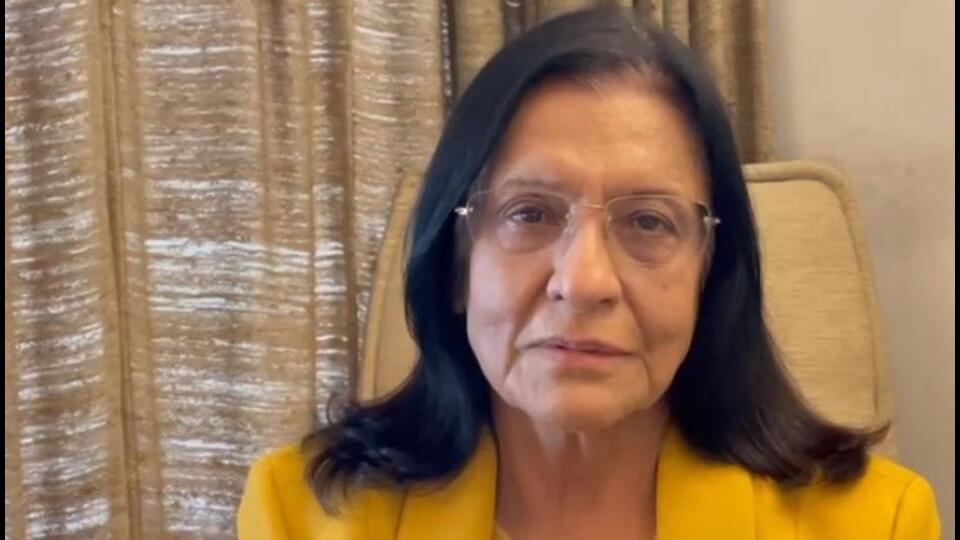
Singh’s comments come a day after the United Nations health agency declared the disease a public health emergency of international concern.
India has so far reported four cases of the viral zoonotic disease. Thailand is the other country in the region that has reported one case. India’s fourth case was reported on Sunday from Delhi, prompting the health ministry to call an emergency review meeting.
“Monkeypox has been spreading rapidly and to many countries that have not seen it before, which is a matter of great concern. However, with cases concentrated among men who have sex with men, it is possible to curtail further spread of the disease with focused efforts among at-risk population,” Singh said in a statement.
Globally, over 16,000 cases of monkeypox have been reported from 75 countries.
Most cases in India are among nationals who returned from west Asian countries, with one positive case not having any history of foreign travel. In Thailand, a foreigner living in the country has tested positive for monkeypox.
“Importantly, our focused efforts and measures should be sensitive, devoid of stigma or discrimination,” said Singh.
The decision to call the recent spate of monkeypox infection a public health emergency of international concern was taken a day after an expert committee reviewed the multicountry outbreak.
“Though the risk of monkeypox globally and in the region is moderate, the potential of its further international spread is real,” said singh. “Also, there are still many unknowns about the virus. We need to stay alert and be prepared to roll out an intense response to curtail further spread.”
Since the start of the outbreak, WHO has been supporting countries to assess risk and initiate public health measures, while also building and facilitating testing capacities in south east Asia, she added.
Engaging and protecting affected communities; intensifying surveillance and public health measures; strengthening clinical management and infection prevention and control in hospitals and clinics; and accelerating research into the use of vaccines, therapeutics and other tools, are among the key measures that need to be scaled-up, according to the regional director.
Monkeypox virus is transmitted from infected animals to humans via indirect or direct contact. Human-to-human transmission can occur through direct contact with infectious skin or lesions, including face-to-face, skin-to-skin, and respiratory droplets.
In the current outbreak countries and amongst the reported monkeypox cases, transmission appears to be occurring primarily through close physical contact, including sexual contact. Transmission can also occur from contaminated materials such as linens, bedding, electronics, clothing, that may have infected skin particles.