
 E-Paper



Will Abhijit Mukherjee join TMC? His meet with Abhishek Banerjee sparks buzz
The speculation about Abhijit Mukherjee arose due to the departure of Jitin Prasada from the Congress party. The former Jangipur MP earlier said he will remain with the Congress.

 Prefer HTon Google


Former President Pranab Mukherjee's son and Congress leader Abhijit held a meeting with Trinamool Congress (TMC) leader and West Bengal chief minister Mamata Banerjee's nephew Abhishek on Monday evening, Hindustan Times' sister publication HT Bangla reported. The meeting was held at Abhishek Banerjee's Camac Street office.
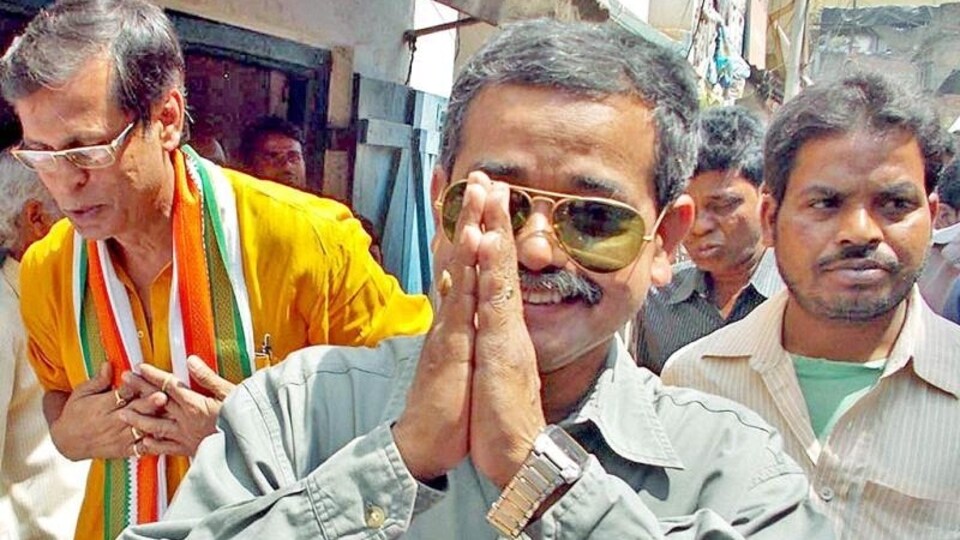
Both the sides did not reveal any details about the discussions that took place in the long meeting. But the development has given rise to fresh speculation about Abhijit Mukherjee joining the TMC. The news follows the departure of Jitin Prasad from the Congress party.
Earlier this month, Mukherjee, the former MP from Jangipur, had made it clear that he is not leaving the Congress unlike his friend Jitin Prasada.
"I remain in the Congress and reports that I am joining Trinamool or any other party are not correct," Mukherjeehad told news agency PTI.
He had said that the rumours probably arose after some of his father's former Congress colleagues "who are now in Trinamool" had come to have tea with him. "They included MP Khalilur Rahman from Jangipur, MP Abu Taher Khan from Murshidabad and TMC ministers Akhrruzzaman and Sabina Yesmin."
"But, I have known them for long, as they were close to my father... to speculate that just because friends came to meet me, I will join TMC, is stretching it too far," Mukherjee had said.
Mukherjee, an engineer-turned politician, won twice from Jangipur constituency.
Pranab Mukherjee had won from Jangipur twice in 2004 and 2009, before becoming President of India. He started several projects in the area, including a branch of the Aligarh Muslim University in the district, an Army cantonment and a management college.
Abhijit Mukherjee said he had also been involved with some of these projects as an MP, and most of his interactions with state leaders are based on these developments.


