
 E-Paper



Air India mishap: Preparing for take-off is always a danger zone
While the common perception is that airplanes are more vulnerable while airborne, many aviation experts say that chances of something going wrong are higher when the airplane is still on the ground.

 Prefer HTon Google


The accident involving Air India flight 619 at the Mumbai airport where a technician died after being sucked into the jet engine has opened a fresh debate about the procedures, or more precisely the lack of it, in critical phases of air operations.
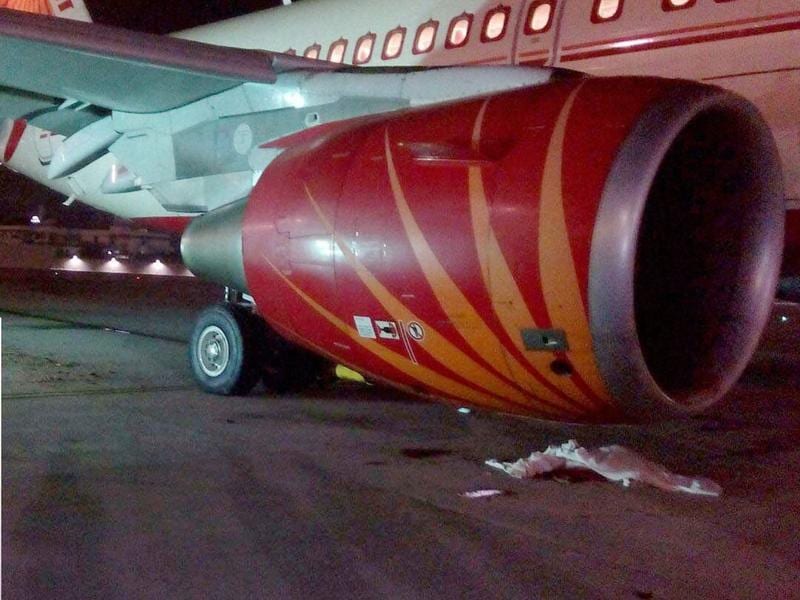
While the common perception is that airplanes are more vulnerable while airborne, many aviation experts say that chances of something going wrong are higher when the airplane is still on the ground.
“It’s simple to comprehend. An airplane is meant to fly and it is in its element while in the air. It is a stranger to the ground and is more vulnerable while on ground” said a senior pilot.
Pushback (physically moving an aircraft backwards using external means like tugs) and start procedures while appearing to be simple are very stressful to those involved. The communication loop is at its weakest during this phase as there is absolutely no visual contact between the pilots and the ground personnel.
According to many senior pilots there is a state of utter chaos at all the Indian airports.
“Dubai airport handles more traffic compared to New Delhi or Mumbai but we do not feel so much stress there,” said another pilot.
Pilots get stressed out even before the airplane is pushed back. The chatter on the radio frequencies is mind numbing.
Read | Departure from set procedures may have caused Air India mishap
The radio channels are flooded with calls from pilots of various airplanes requesting permission to pushback and start engines. And almost all are under pressure due to various factors like on-time performance, flight duty time limitations (maximum hours that a crew can work), slot timings which ensure that they get to fly at the required altitudes to save fuel, pressure from irate passengers and VIPs on board among a myriad other problems.
Added to this, some aircrafts do not have serviceable auxiliary power units (APU) to provide air-conditioning while on ground, causing immense physical discomfort.
In view of this, experts feel that it is no wonder that ground incidents are on the rise in the country.
The only safeguard pilots and the technical team have is strict adherence to Standard Operating Procedures called SOPs. But this is easier said than done.
The work culture of an organisation and the professional integrity of the pilot are key to SOPs being followed unquestioningly. Airline operating procedures and checklists are intended to provide thorough guidance for each step crews must take to deal with specific situations. Only a sense of discipline can ensure that crew follows the SOPs strictly.
Discipline is the foundation of airmanship and failure of flight discipline can have serious repercussions on safety.
Read | Panel to probe Air India technician’s death at Mumbai airport


