
 E-Paper



Tourism in Sikkim to be hit by India-China standoff, say tour operators
The standoff between the two powers has come at the most inopportune moment when tourism in Sikkim has already taken a hit thanks to the indefinite bandh in Darjeeling through which people and goods to Sikkim have to pass.


The ongoing border stand-off between Chinese and Indian troops in an area near Sikkim will scare away visitors and hit revenues, tour operators and hotel owners have said.
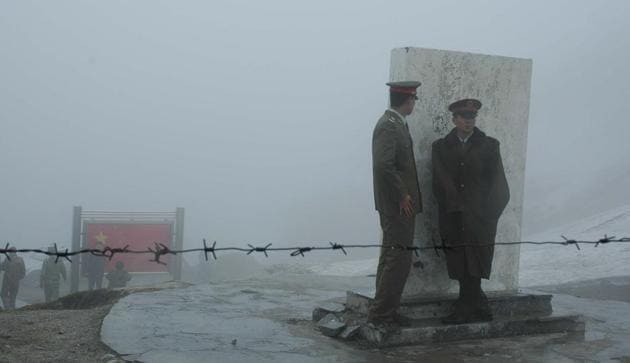
Tour operators told the Hindustan Times though there is no immediate crisis on the ground, the daily dose of rhetoric traded by both the camps is adding to the fear in the mountainous state that borders China.
“The ongoing standoff between the armies of two Asian giants is set to finish the tourism industry at least for the time being,” Satish Bardewa, proprietor of Yak and Yeti Travels, said.
Read: Sikkim standoff: China says situation ‘grave’, no scope for compromise with India
Bardewa pointed that while the state capital Gangtok is located about 55 km from the border, popular tourist spots such as Nathu La and Tsomgo Lake are only about 15-20 km away from the trouble spot. Nathu La, on the frontier between Sikkim and Tibet, was the site of a fierce border clash between Chinese and Indian troops in 1967.
“The tourism industry is bound to suffer a lot unless relations between the two countries improve,” Jeetendra Lama, general secretary of Travel Agents Association of Sikkim, added.
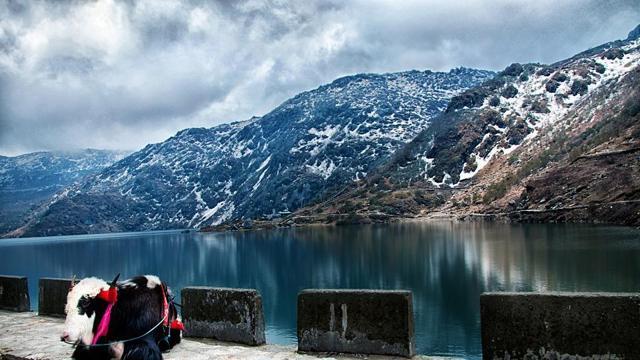
A big share of Sikkim’s revenue is generated by the tourism industry. In May, it witnessed a record number of 1.7 lakh tourists and almost all rooms in the hotels in the state were booked for June and till mid of July.
Tour operators also told the HT there have been anxious telephone calls from tourists, who have booked trips to Sikkim in advance.
“At a time when we were not in a position to ensure full safety of tourists visiting Sikkim, the continued confrontation between the two armies has heightened fear among the tourists,” Yak and Yeti’s Bardewa said.
As a fallout of the standoff, the Chinese refused to allow the first batch of 47 pilgrims, who were to conduct the annual Kailash Mansarovar Yatra, into Tibet. They also conveyed to the Indian side that visas of another batch of 50 pilgrims had also been cancelled.
Read: Sikkim standoff: India pushes troops in Doka La in longest impasse since 1962
Eight batches, each comprising around 50 pilgrims, were scheduled to have taken the arduous trek to Mansarovar in Tibet, which is believed to be the abode of Lord Shiva.
“The way the annual Kailash Mansarovar pilgrimage was cancelled is enough to deepen apprehensions among tourists,” Samrat Sanyal, president of Eastern Himalaya Travel and Tour Operators’ Association, said.
The Sikkim route to Mansarovar, which is in Tibet, was opened in 2015, enabling pilgrims to travel the 1500-km long route from Nathu La to Kailash by buses.
The standoff between Indian and Chinese solders at the tri-junction of India-China-Bhutan border has come at a time when the Himalayan state is already been hit by the ongoing indefinite shutdown in West Bengal’s Darjeeling hills. The shutdown began on June 15.
Sikkim is connected with the rest of the country through the hill station in the neighbouring state, that has been hit by violent agitations by the Gorkha Janmukti Morcha (GJM) over the demand for a separate Gorkhaland.
Sikkim has been facing hardships since all vehicles carrying passengers and goods pass through Darjeeling. The trouble increased after Sikkim chief minister Pawan Chamling expressed his support to the cause of Gorkhaland.
In Siliguri, Trinamool Congress supporters have even attacked Sikkim-bound vehicles.


