
 E-Paper



Nipped in the bud: Swetha Sivakumar on flowers as food

 Prefer HTon Google


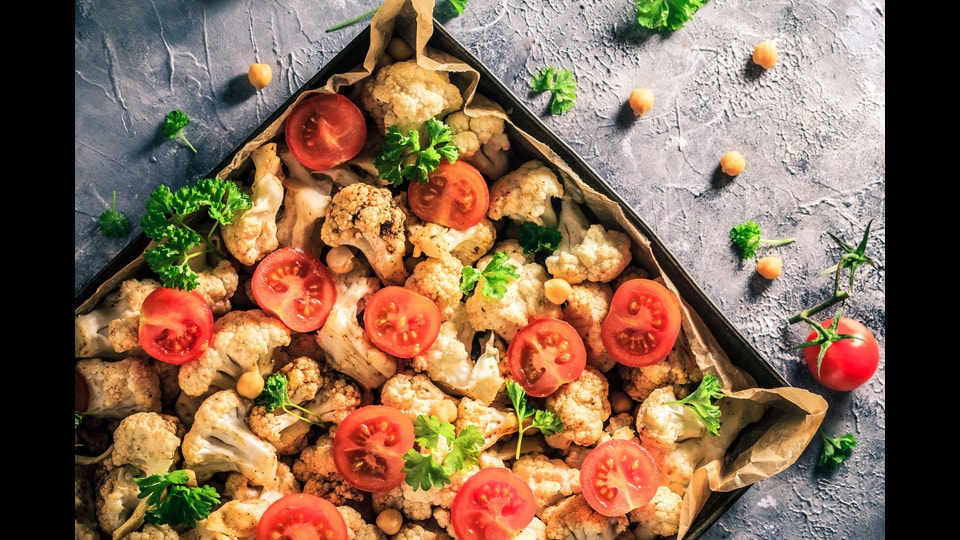
Most blooms aren't edible, but there are exceptions. Cloves, after all, are buds picked and dried just before they open. Certain vegetables are flower buds too.
I remember being nine months pregnant with my first child, and my mother gently coaxing me to take long walks.
I was exhausted and irritable. “How did patti (my grandmother) do this nine times!” I said. Indeed, childbirth is a long and challenging process. But wait till you hear about the hurdles plants face as they propagate.
The mere act of producing flowers can kill them. In less-than-ideal conditions, plants die soon after they reproduce, because they simply have no way of recovering the energy they expended on the flowers, pollen and seeds.
There are plants that reproduce asexually, and this takes considerably less effort. A root or stem simply sprouts progeny. But here the problem is that the progeny is really a clone of the parent. This lack of diversity makes it far less able to adapt, and a single disease fatal to one plant can by default wipe out an entire population.
So, despite all the trouble it entails, about 80% of known plant species evolved to produce seeds and / or flowers. This is a reproduction strategy that requires a messenger to move genetic material from one plant to another. And so the flower evolved to entice such creatures with the reward of nectar.
Nectar is irresistible to insects, packing large amounts of energy into each sip, but it is just a blend of the sugars sucrose, fructose and glucose. It can’t really sustain them. So some species, primarily bees, evolved ways to unlock a portion of the pollen too.
Now that is a complete meal. Pollen is 60% protein, and contains fats and essential amino acids. It’s what really keeps bees alive and healthy. Once it has been broken down.
Plants do an incredible job of protecting their pollen. The outer wall of each grain is so hardy that fossilised grains have been found in 100-million-year-old sediment.
Bees manage to break it open using a process called osmotic shock. Here, within the mid gut of the bee, a sudden rush of liquid weakens the pollen’s cell walls, causing the grains to swell and burst.
In our world, flowers mean a myriad things today. But hungry ancient humans likely looked at them with just one question in mind: “Can they be eaten?” The short answer is, not really. Our stomachs aren’t equipped to cause osmotic shock, so we have no way to unlock raw pollen. The petals are rich in cellulose but tend to wither quickly when harvested. In terms of calorie yield, they’re barely worth the trouble it takes to pick them.
There are exceptions. Broccoli, cauliflower and artichoke are all immature flower buds. Unlike most, they are free of toxicity. They are also packed with vitamins and nutrients. Through centuries of selective breeding, these plants have had their loose clusters of flowers turned into dense, compact heads that can be eaten before they have bloomed.
Being developmentally immature, the florets are not as rich in cellulose as flower petals. They are, instead, rich in pectins and hemicellulose. All of which means that they can be boiled, broken down and blended to a creamy consistency.
Another useful flower: the clove. These are buds picked right before they open, and dried as a way to preserve their powerful essential oils.
Some tender flowers add great mouthfeel to a dish. The Agastya or West Indian pea flower is often used in kadhis, poriyals and fritters. Banana flowers are a delicacy in south India, relished by my entire family, once we’re done fighting about who will clear out the pistil and calyx (no one ever wants to meddle with the sticky things). Zucchini flowers are deep-fried as fritters across a range of Western cultures.
And, to drink, we harvest tisanes, which are steeped in hot water as a caffeine-free alternative to tea.
This is not counting the tonnes of flowers picked daily for dyes, chemicals and simply for display. It really is quite hard hacking it as a plant, isn’t it?
(To reach Swetha Sivakumar with questions or feedback, email upgrademyfood@gmail.com)


