
 E-Paper



Returning champions: How players turn coaches at Gopichand’s academy

 Prefer HTon Google


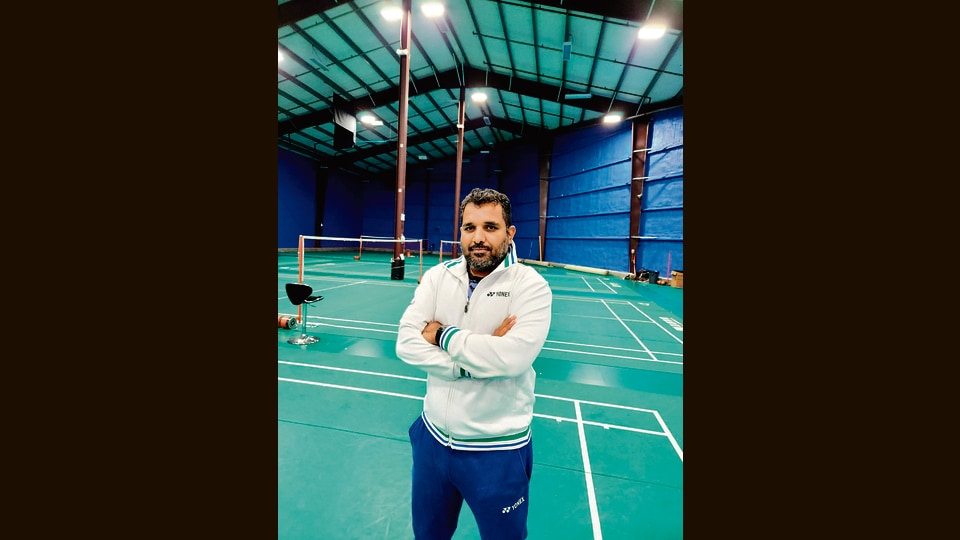
Since its inception, the academy has changed the rules of badminton training. It’s where coach and player are carefully paired, where champions groom champions.
Before the Pullela Gopichand school of coaching, elite Indian badminton players all followed the same schedule and received largely the same training.
Today, even the support they get from the sidelines during a match is customised.
RMV Gurusaidutt was screaming instructions to HS Prannoy during the World Championships in Copenhagen last week. That’s the kind of bond they’ve built.
Mohammed Siyadath Ullah mouths encouragement quietly to Kidambi Srikanth, paired with reassuring nods and gestures.
Arun Vishnu uses hand signals to suggest next moves to Gayatri Gopichand and Treesa Jolly.
Each of these coaches, groomed by Gopichand first as players then as trainers, has worked with their current star player for years, with the clear understanding that the person is the focus, not just the game.
At the Pullela Gopichand Badminton Academy, since its inception in 2004, and across the elite level in Indian badminton, where Gopichand has been chief national coach since 2006, coach and player are carefully paired, as are player and fitness regimen, player and diet, player and downtime activity.
“Gopi Bhaiyya has always said that the most important thing coaches need to understand is that no two players are the same,” says Siyadath, 39. “A lot of emphasis is given to the temperament and the body structure of the player, and their training designed accordingly.”
The results began showing immediately. Saina Nehwal, Parupalli Kashyap and Gurusaidutt are among those who began winning tournaments domestically in 2006-07 and then internationally a couple of years later.
Siyadath has worked with Gopichand for 19 years and one of his earliest students was Kashyap, now 36, ranked World No. 6 at his peak. Kashyap later turned coach for wife Saina Nehwal, 33 (ranked World No. 1 at her peak in 2015), designing a training programme for her in 2018-19. Gopichand has sent Kashyap to Malaysia twice too, to attend coaching clinics.
In this way, star players are groomed as coaches too, in keeping with Gopichand’s philosophy that it takes champions to groom more champions.
A vital skill he has learnt from Gopichand, Siyadath adds, is to be honest, but reaffirming. “With all the ups and downs they go through, the coach’s primary job is to motivate the player, ensure the shuttler never loses hope,” Siyadath says. “Players find it especially difficult when they return from injury, go through rehabilitation. It is our job to ensure that they never lose hope. This also helps build the rapport between player and coach, which can help push the player to the next level. Even while sitting courtside, shuttlers should always be made to feel motivated and confident, knowing that there is someone behind them, especially in times of pressure.”
Communication is a third pillar of the Gopichand way. “Only if the player trusts you and talks to you will you know the problems they are facing and be able to work together to solve them,” as Siyadath puts it. “Then you can gauge when to push the shuttlers, when to stop.”


