
 E-Paper



Want your home to feel ‘lived-in’? Know the top design and decor tips for comfy interiors

 Prefer HTon Google


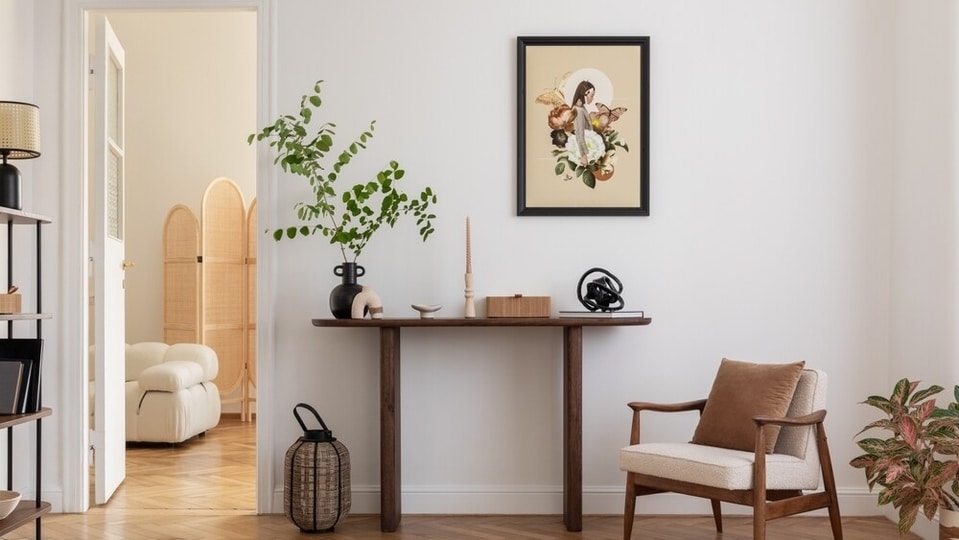
‘Lived-in’ is a comforting sense at one’s home, where it feels personal rather than generic, aesthetic-centric. Know how to make your home more personal.
A home where you feel like you truly belong goes beyond just the functional purpose, as it should also make you feel comfortable. That ‘lived-in’ vibe of your home is what makes the home uniquely yours, with an added sense of warmth. A lived-in home includes personal touches that make the space feel less mechanical or cookie-cutter.
HT Lifestyle has reached out to experts on how to capture this cosy feeling, from thoughtful design hacks to adding meaningful touches with unique lighting and decor.
5 human-centric interior design ideas
First up, let’s start by understanding some overarching design choices that form the foundation of your home. From clever spatial tricks to thoughtfully chosen colour schemes, human-centric principles help a home exude a welcoming and visually appealing mood.
Rohit Sethi, principal architect and owner, Abitare Architects, shared these design hacks:
1. Biophilic design
- Adding biophilic elements like indoor plants, shaded balconies, or windows framing greenery strengthens this connection.
2. Colour palettes and materials
- Lighter shades, soft creams, muted pastels, and gentle neutrals can make even compact rooms feel airy.
- Pops of mustard, terracotta, or deep indigo add vibrancy without overwhelming the space.
- A soft, bright blue or an orange adds warmth and glow in spaces or walls we want to highlight
- Materials are equally important. Lime plaster, terracotta tiles, and stone floors breathe naturally in warm climates, while pairing them with modern touches like glass, steel, or polished concrete keeps interiors feeling contemporary.
- Thoughtful colours, wallpapers and textures create spaces that are timeless, personal, and balanced between tradition and modernity.
3. Concept of layering
- Ergonomically designed chairs, sofas with the right depth, and dining tables at a comfortable height make everyday life healthier and more enjoyable.
- Layering materials and textures like wood with cane, linen with metal, and stone with fabric adds depth and personality without clutter.
4. Less is more concept idea
- Minimalism is about clarity and purpose.
- ‘Less is more’ doesn’t mean stark or empty, but it means keeping essentials and letting space, light, and form do the talking.
- You don’t need expensive finishes. A lime-plastered wall, a well-crafted wooden table, or handwoven textiles can speak volumes.
Prioritising essentials like seating, storage, and lighting makes homes functional, timeless, and sustainable, while encouraging mindful living and reducing clutter.
5. Hack to enlarge the space
- Mirrors are great to make a room look bigger. Placing a large mirror on a wall can create an illusion of depth.
- It tricks the eye into seeing more space than there actually is. Mirrors also reflect light, thereby making a space feel more open and airy.
Lighting references
Lighting plays a key role in shaping the personality of your home. If the ‘lived-in’ vibe is what you are aiming for, certain details need to reflect a slice of your personality, whether it’s a statement pendant in the living room or a cosy bedside lamp that sets the mood. These little touches add a special value in your space.
Anuj Ramchandran, Associate Director Retail Design and Build at Livspace, said that lighting in 2025 has evolved from a functional necessity into a storytelling medium. He added, “The rise of retro-futuristic lighting blends nostalgia with next-gen innovation, transforming how we design, feel, and interact with our spaces.”
Since lighting is no longer just generic or functional, unique fantasy-inspired personalisation is taking centre stage. As Neha Bagait, Studio Principal, Vinciago, Livspace revealed, “Designers are increasingly drawing from mid-century utopian fantasies. Forms like bubble glass, chrome spheres, and satellite-inspired pendants are being paired with smart systems that respond to gesture, voice, and time.”
Here are some of the lighting suggestions they shared that are unique:
- Orb-shaped pendant lights inspired by the 60s Space Age, updated with smart LEDs and adjustable temperatures.
- Mushroom lamps in eco resin and ceramic with portable wireless bases and mood presets.
- Retro tube sconces that blend chrome and frosted acrylic with motion sensors and dimming options.
- UFO desk lamps styled like vintage sci-fi props, now featuring adaptive brightness and wireless charging pads.
- Neon accents that use LED strips for energy-efficient colour play in bedrooms, studies, and lounges.
- Gas lantern-inspired lighting in outdoor spaces, using LED cores within classic forms.
- Art Deco chandeliers in smoked glass and stepped silhouettes, integrated with app-based dimmers.
- Modular DIY kits and smart cube lamps for users to create custom lighting setups.
Soft decor with linen
And finally, to complete your home's ‘lived-in’ feeling, soft textiles are essential. Linen is one such material, comfortable and breathable, adding quiet elegance to any space. From bedsheets and cushions to throws, whether in the living room or bedroom, linen can effortlessly elevate both comfort and style.
Navya Khanna, Co-founder at Sadyaska, shared these 5 practical tips:
1. Use a solid bedsheet as your base. Start with a clean canvas, a soft, breathable bedsheet in neutral tones such as beige, taupe and stone grey. It acts as a clean backdrop for layering and makes it easy to change other elements, such as cushions and bedcovers, without clashing. For example, use breathable fabrics such as cotton, linen and bamboo in lighter shades.
2. Add a bedcover for structure. Layer on a bedcover, gentle in texture and fold it back halfway for a casual, hotel-style feel. A bedcover gives the bed a more finished, put-together look.
3. Mix cushion sizes and textures. Use a mix of 2-3 cushion sizes, like 16x16 and 12x18 inches. Stick to soft shades, vary the textures. Stick to the cohesive colour palette to keep it from feeling too busy. For example, put two square cushions at the back and one rectangular cushion in the front in similar shades, but different textures, such as embroidery or pleating.
4. Layer a throw or quilt at the foot of the bed. Place a lightweight quilt or throw blanket at the bottom third of the bed. This adds texture and can be easily switched out by season. For example, use a chunky knit throw in winter and a light quilt in summer.
5. Keep the colour scheme tight and flexible. Pick 2-3 colour palettes that suit your room and stick to them across all your bed linen, such as bedsheets, quilts, covers and cushions. For example, combine off-white sheets, a muted beige quilt and taupe cushions. This makes mixing and matching easy throughout the year.


