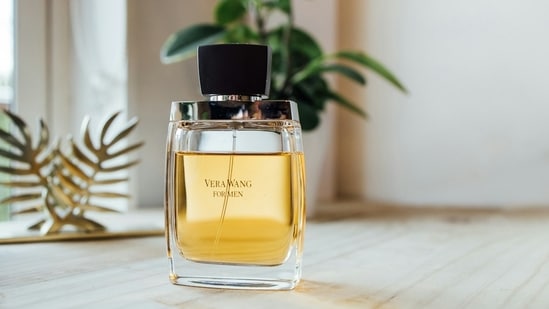
Ever picked up a perfume, looked at the price and wondered, what am I actually paying for? While the fragrance itself is obviously a major part of the cost, the price of a perfume is shaped by much more than the ingredients inside the bottle. In an interview with HT Lifestyle, Swapnil Pathak Sharma, founder of Zighrana, breaks down why perfume costs so much.
Also read | From oud to vetiver: Indian ingredients are dominating global perfumery with authenticity, says expert
1. Fragrance concentrate
According to Swapnil, the fragrance concentrate itself can have a very different cost depending on what has gone into the formula. A formula made with expensive naturals and speciality materials will naturally cost more than one built mainly around inexpensive aroma chemicals. Some materials are relatively inexpensive. Others, especially good natural and specialty ingredients, can be very expensive. So just looking at the size of the bottle doesn’t really tell you much about the cost of the fragrance inside.
2. Quality of the ingredients
When someone says “rose” or “sandalwood”, it doesn’t mean every rose oil or sandalwood oil is the same. “The origin, quality, extraction method and yield all matter, and with natural ingredients, there’s another factor—nature doesn’t always give you the same yield or availability throughout the year,” highlighted Swapnil. Sometimes you need a lot of raw material to get a very small amount of oil. That obviously affects the cost.
3. The perfumer’s craft
{{/usCountry}}When someone says “rose” or “sandalwood”, it doesn’t mean every rose oil or sandalwood oil is the same. “The origin, quality, extraction method and yield all matter, and with natural ingredients, there’s another factor—nature doesn’t always give you the same yield or availability throughout the year,” highlighted Swapnil. Sometimes you need a lot of raw material to get a very small amount of oil. That obviously affects the cost.
3. The perfumer’s craft
{{/usCountry}}A perfumer isn’t just putting ingredients together. They need to understand how each material behaves, how it changes when combined with others and how the fragrance develops on the skin. Swapnil highlighted that what you smell in the first few minutes can be quite different from what you smell after a few hours.
A perfumer has to know the materials, how they smell individually, how they behave together and how the fragrance changes from the first spray to the dry-down. Getting the right balance can take many trials. It is experience, knowledge and a lot of fine-tuning. Getting that balance right can take a lot of trials, adjustments and experience.
4. Time and production
Traditional Indian attar, for example, is not made by mixing a few ingredients together. In the deg-bhapka process, botanical materials are distilled into a base such as sandalwood oil. The process, the raw materials and the skill of the person making it all have a bearing on the final product.
5. The bottle and packaging
Then there’s everything around the fragrance- the bottle, cap, label, carton, printing, finishing, filling and packing. All of these add to the cost, and if you’re making smaller quantities rather than producing millions of bottles, the cost per piece is naturally higher. “But honestly, packaging is only the part of the cost that you can actually see,” said Swapnil.