
 E-Paper



Wrap album: Swetha Sivakumar digs into the history of food liners

 Prefer HTon Google


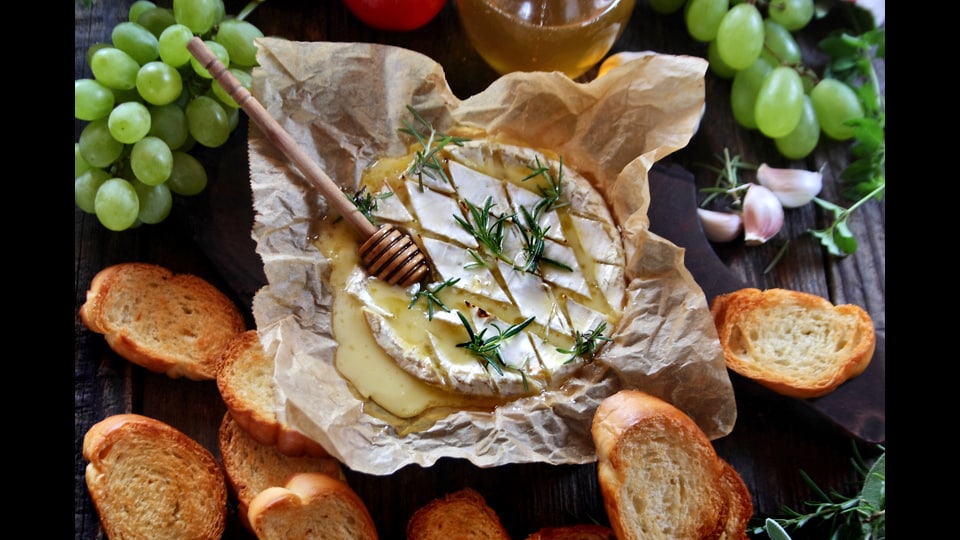
It used to be banana leaves, corn husk, even animal hide. Modern alternatives can be a confusing array. Where did they come from? How does one pick?
Moving from Tamil Nadu to Texas has meant there are some things I just can’t have in my kitchen. One of them is the banana leaf.
Rather than go into its magical properties (which I can perhaps steel myself to do another time), I’d like to explore the food liners I now use, and how I’ve learnt to pick the right one for each task.
Butter paper, wax paper, cellophane and aluminium foil: No single liner does it all. But they are all descended from the original food liner in the West: leather.
Here at home we had the broad banana leaves, with their waxy coating made up of fatty acids, and their grassy aroma that seeps into fish, meat, idiyappams and panki.
Similarly, across South and South-East Asia, marinated meats and seafood are still wrapped in pandan leaves and steamed or fried.
In Mesoamerica, corn husks are used to steam masa and create soft, fluffy tamales.
In colder regions, large, waxy leaves are rare, so people turned to animal hide instead. But this was an expensive option that also did not pair well with food flavours and so, in the industrial age, scientists began to use chemistry to create more effective alternatives.
* Butter paper
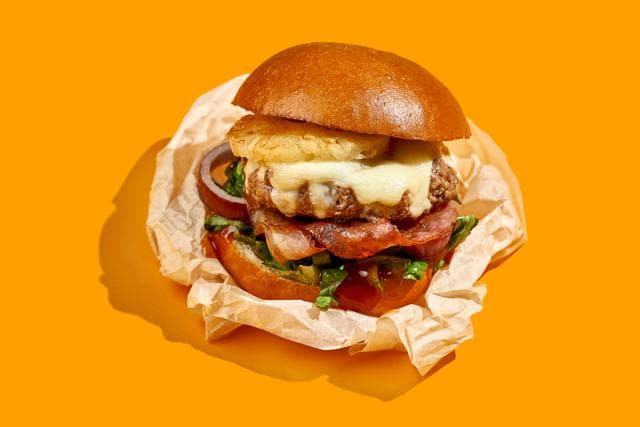
In 1847, French scientists Jean-Andre Poumarede and Louis Figuier developed the first greaseproof paper by treating regular paper with sulphuric acid. This process altered the cellulose fibres, creating a durable, oil-resistant material that resembled animal parchment but was far more flexible.
It was found to be an ideal packaging solution for butter, which had been dripping miserably through its muslin wraps before this.
There is still a little grease paper in a lot of food packaging: look closely at the wraps around your burgers, fries and sandwiches.
* Wax paper
As far back as the 15th century, important messages were coated with beeswax, to protect them from rain and other damage during transit.
By the 1850s, wax paper had found a new use, as part of the process of developing photography negatives.
By the 1930s, its durability and low production costs made it the ideal packaging material for a new food product that was all the rage: sliced bread.
Left to itself, bread dries out quickly (as anyone who has let a sandwich sit too long well knows; oh, the horror of those curled-up corners).
Wax paper keeps all humidity out so effectively, it is still used to wrap sandwiches and cheese.
Like butter paper, wax paper is compostable if made with plant-based wax (rather than petroleum-based coatings).
* Cellophane
The world’s first transparent packaging film was invented in 1908 by a Swiss engineer named Jacques Brandenberger.
It is made using cellulose from wood pulp or cotton, so true cellophane is both biodegradable and compostable. (It is also relatively expensive. Plastic clingfilm is, sadly, cheaper and far more prevalent.)
Brandenberger originally intended to use cellophane in waterproof clothing. He soon saw its potential as packaging material instead. Its transparency allowed food companies to showcase their products, while protecting them and extending their shelf life.
Incidentally, none of the food liners discussed so far has high-heat resistance, and so they cannot be used in baking.
* Baking paper
This is parchment that has been treated with the water-resistant chemicals silicone or quilon, to make it both non-stick and heat-resistant.
Baking paper can do everything in the kitchen that wax paper can do, and it can withstand temperatures up to 220 degrees Celsius.
It is considerably stiffer than wax paper and butter paper, though, and this can make wrapping foods in it a bit tricky. To make it more flexible, bakers often crumple and soak it in water before use.
* Aluminium foil
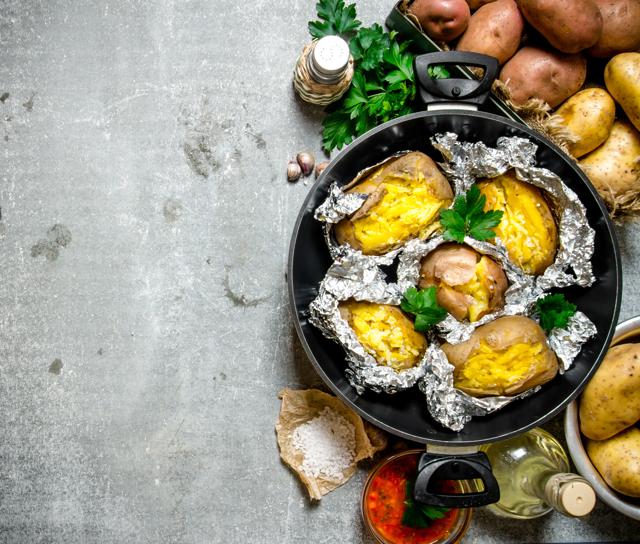
After World War 2, all the aluminium manufacturers who had kicked production into high gear for their country’s war efforts were seeking new markets. This push was the reason aluminium eventually replaced tin in food and beverage cans (tin was admittedly more expensive, heavier and less malleable).
This is also how kitchens came to adopt aluminium foil.
It was the American manufacturer Reynolds that came up with the thin sheets. They could be torn, wrapped or folded like paper but were also strong and durable. The foil could withstand temperatures of up to 260 degrees Celsius, making it the only liner suitable for broiling and grilling. Unlike baking paper, though, aluminium foil lacks a non-stick surface.
My personal favourite is baking paper. Whether I’m making sticky chikki, rolling out precarious ragi rotis or lining baking trays for roasted vegetables, silicone-coated baking paper meets every need. Sadly, the one thing it can never do, is add a whiff of a grassy green to my steamed idiyappams. There’s nothing quite like the banana leaf, is there?
(To reach Swetha Sivakumar with questions or feedback, email upgrademyfood@gmail.com)


