
 E-Paper



Pro vision: How professional photographers get the best shots

 Prefer HTon Google


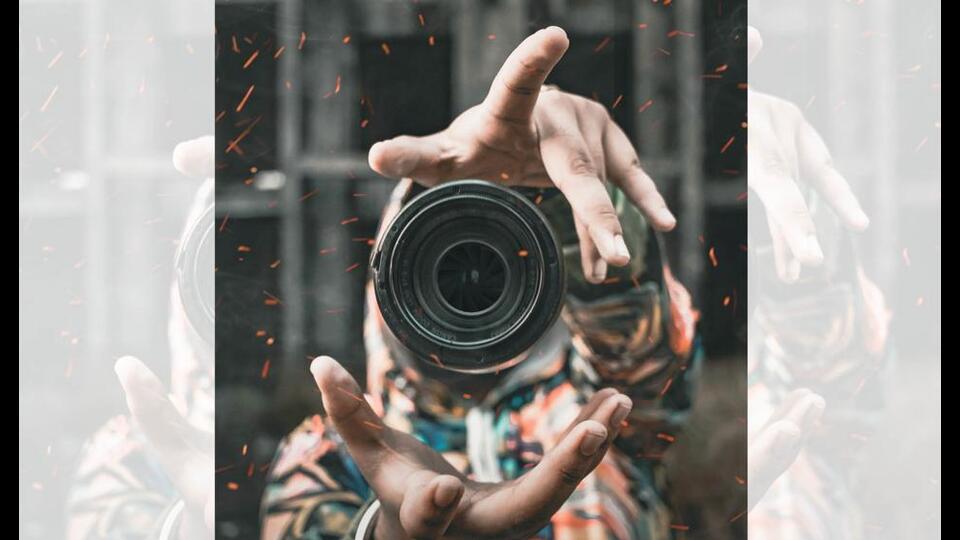
So, you’ve bought a fancy camera. But being a pro is about talent, not tools. See how wildlife, city, art and fashion photographers honed their skills
Put down the camera for a minute. The best shots, as most photographers will tell you, have nothing to do with equipment. Sure, a good lens can capture light, colour and detail better. Zoom tech can focus on what humans often can’t. But there’s a reason that everyone who’s bought a fancy camera isn’t automatically picking up awards or even the best gigs.
That’s because a device can’t choose which shot matters. A camera cannot find meaning in a a fleeting glance or a shifting shadow. And it certainly has no sense of timing, instinct, and discipline of its own. We asked wildlife, fashion, art and urban photographers what it means to be the eye behind the lens, and why buying a camera is only the first step.
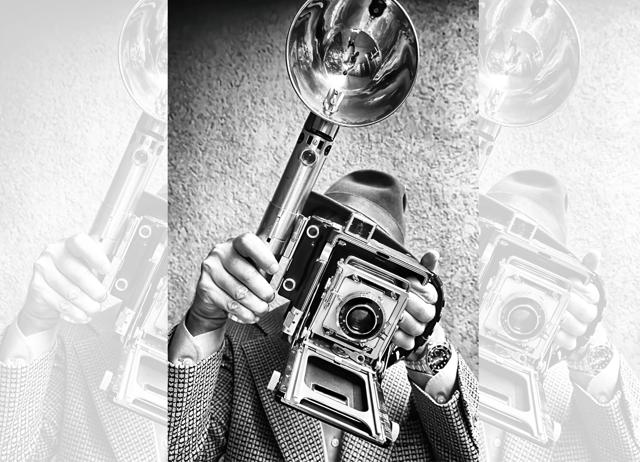
Learn to look
“The difference between a photographer and someone who just owns a camera? Vision, intuition, and an actual connection with the subject,” says Shantanu Anand, a wildlife photographer from Bengaluru.
Patience isn’t just part of the job, it is the job. “In this field, there is no artificial lighting, no flash, no studios. A great image isn’t about the tiger, it’s about its world. A close-up of the cat’s face? Tech can do that. But a tiger moving through dappled light in a sal forest? That’s a photograph.”
Anand knows that when he’s on assignment in a forest, his isn’t the only camera there. It may not even be the best camera there. But he also knows that most trigger-happy enthusiasts rarely bother studying animal behaviour. That’s where he scores. “There are no second chances in wildlife photography,” he says. “A fleeting moment — a yawn, a leap, a predatory strike — is gone in an instant. Anticipation is everything. If a tiger is about to yawn, the shutter must fire before it even begins. If a bee-eater flies off to catch an insect, the camera should already be trained on the branch where it will return. The best photographers don’t react to wildlife; they predict its movements.”
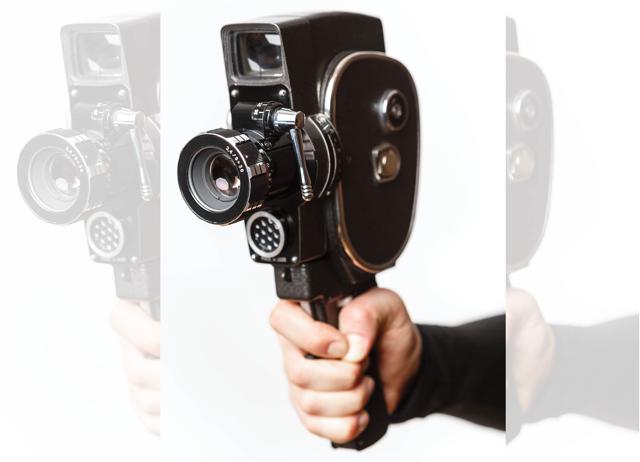
Give it time
A good camera is essential to capture a perfect sunset or Manhattanhenge-style symmetry. But good urban photographers look for more. They want their pictures to show what life is like amid the buzz, how chaos feels different in Tokyo, Cairo and Mumbai, the details we miss in the blur of work and play.
Agrima Mohan, who heads content marketing and creative production at MeMeraki, a culture-tech platform, believes that the process begins with deliberate observation. “Always be looking,” she says. “This often happens when you don’t have a camera with you. Some of my most valuable training comes from simply observing — while sitting in a cab, walking down a street, or waiting at a traffic signal. I mentally frame shots, noticing the interplay of light, shadow, and movement, preparing my eye to recognise the extraordinary within the ordinary.” A camera can’t tell a story. So, learn to look at what a city is trying to hide or reveal.
Good prep will also teach a photographer to avoid the cliches – birds taking flight in front of a monument, the woman walking past the graffiti-filled wall, morning rush hour. “If a shot doesn’t sit right with me, I don’t take it,” Mohan says.
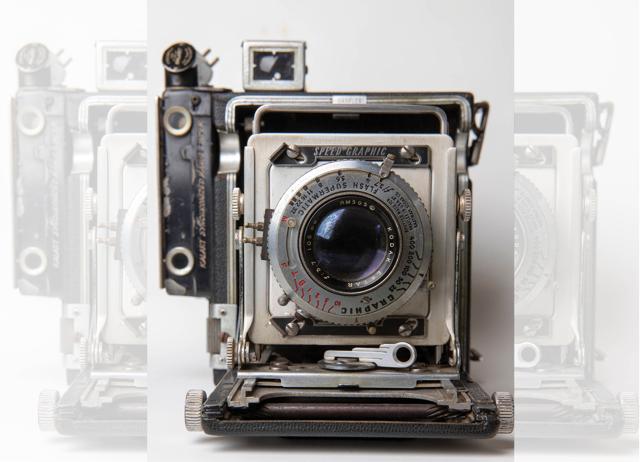
Look past the frame
Commercial photographers are often prepared for long hours in a studio, taking 90 shots of a model in a gown. Many don’t realise what makes a fashion photo work. “It isn’t about the outfit. It’s about movement, tension, a frame that pulls you in,” says Pranoy Sarkar, who has spent more than a decade on fashion shoots. “My process starts with sketches, with understanding the fabric, with knowing exactly how a dress will move under a specific kind of light. By the time we get to set, the shot already exists in my head.” So, the equipment is secondary. “A great concept on paper is far more valuable than the best camera money can buy.”
Sarkar knows that his images are more about recording what’s in style at a given moment. It’s why he’s researched textile, styling and fashion history. “It allows me to collaborate better with designers and stylists, and makes my images feel intentional rather than accidental.”
Break the grid
Art photographers have it tough. Aesthetically pleasing images just won’t tell their story. “Unlike urban photography, which depends on capturing what already exists, art photography involves constructing a vision. It is not just about documenting reality but about re-imagining it,” says Mohan. No photographer can do this with equipment alone. They must know exactly what they wish to communicate or leave open to interpretation.
So artists tend to set up the idea before they worry about exposure, shutter speed and other details. In the US, artist Gregory Crewdson sets up film-set-style scenes, hires actors and crews for a single shot, and doesn’t even click the picture himself – and yet it’s his vision that ultimately makes him the undisputed creator of his images. Pakistani artist Rashid Rana uses his camera to create meticulous photomosaics – what looks like a pixelated image of a king or a carpet turns out to be made with thousands of individual images, each depicting controversial material.
Neither could have been created if the artists didn’t understand the basics of taking a picture. “The best way to master lighting is to study sunlight,” says Sarkar. “Understanding how it shifts throughout the day and interacts with different surfaces provides a strong foundation for mastering artificial light.”
From HT Brunch, April 12, 2025
Follow us on www.instagram.com/htbrunch


