
 E-Paper



Secret Traveller by Jamal Shaikh: Bottled-up emotions

 Prefer HTon Google


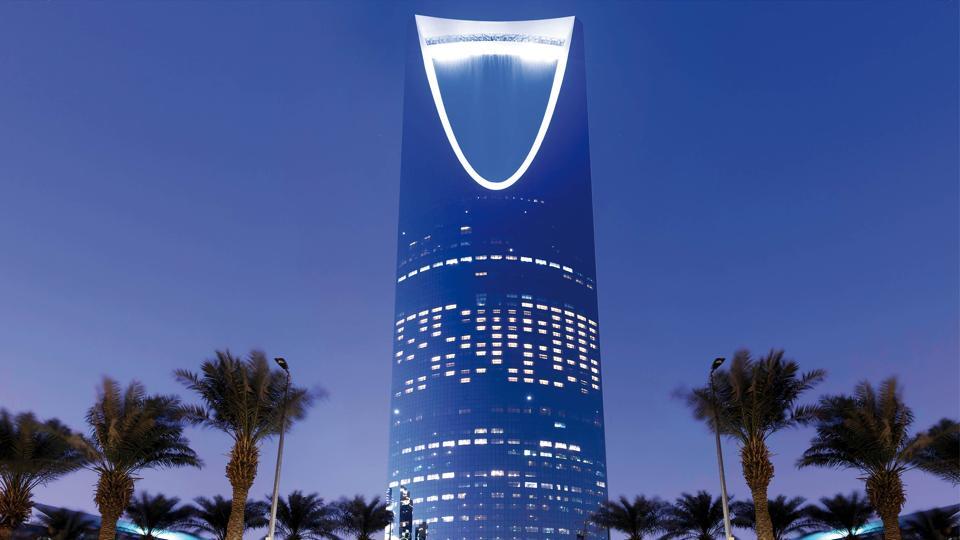
Like India, Saudi Arabia has two factions of people. One looking to modernise, the other looking back
Visiting Saudi Arabia for the first time was an emotionally charged experience for me for several reasons.
First: As a boy who lost his father at age four, I often grapple for memories of him. One distinct memory is that he was employed in Saudi Arabia. My father lived in Saudi for just one month, I learnt later; he hated the work culture.
And second: Should one be travelling to a place that seems to live in a different era in terms of human rights and social freedoms?
The last time I had the opportunity to go to Saudi, it was to accompany my mother. She’d wanted to perform the Umrah (holy pilgrimage) about 10 years ago and as a widow, she needed to be accompanied by a male relative. Just that restriction was enough to put me off, and I arranged for my brother to accompany her instead.
This time, however, curiosity got the better of me.
We’ve all heard of Saudi opening up to keep in step with the world. An Indian magazine conducted a fashion shoot in the dessert town of Al Ula a couple of years ago. In 2018, a close female friend from the US, our designated driver for road trips in America, sent me an emotional video of herself driving her car outside her home in Riyadh. Women had not been allowed to drive in Saudi until then, and her moist eyes made me realise what a big deal it was.
I decided to see if Saudi is really changing.
Capital gains
About a week before my trip, my German friend and I got online to search for hotels. My buddy is a travel buff, and is on a plane even more than I am. We met in Dubai about 20 years ago on our travels. He and his family never do red-eye flights: they fly during the day, and stay in transit hotels for a good night’s sleep. As a result, he’s great at getting hotel deals, but Riyadh left him stumped.
A regular room at the Hyatt Regency, a regular five star—not something as special as the Burj Al Arab or One and Only—cost USD 2,000! Even the Holiday Inns were more expensive than the Taj Land’s End is on staycation weekends these days. I found a three-nights stay at a modest, but efficient Wyndham by Ramada for a price it didn’t deserve. I also learnt that Riyadh is an expensive city to be in.
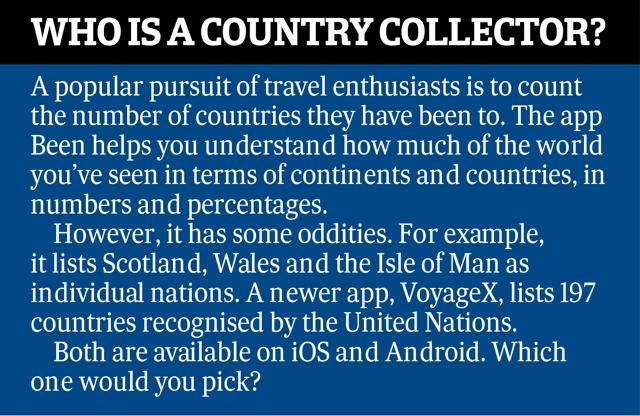
You’re just going there to up your country count, a friend alleged. (What is country count? See the box below.) Why’d you not pick Jeddah, another friend asked. Wouldn’t it be the more cultural city to visit?
I honestly hadn’t compared. Riyadh was the capital and any change in Saudi, if at all, would begin there, I reckoned. From all I saw, I guess I was right.
The flash dash
My “female designated driver friend” was unfortunately not in town on the dates I was to be there. But a few other young Saudis gave me a to-do list with a great amount of pride. These are all American-educated, in-step-with-the-world young people, and I sensed a feeling of hope for the future.
“You’re arriving on the eve of the Riyadh Season,” a 20-something, Saudi youngster called B told me. “That’s why it’s so expensive.” B is a mechanical engineer from IUPI ’21; American-educated and with a view of the world, yet proud of the culture he comes from.
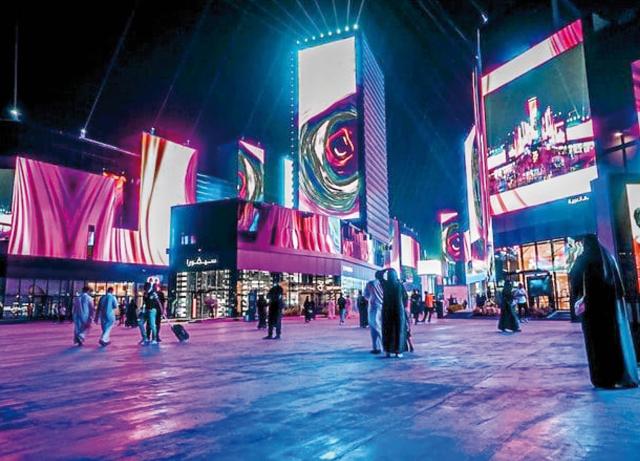
Riyadh Season could be equated to the Winter Wonderlands that happen across the western world at the start of the short days of the year. Only, this one was in the middle of a desert!
B’s list of places to visit was the most comprehensive. RUH Boulevard turned out to be a mega festival site, with pop-up stores, shopping, gaming and eating options, “claw games” that allow you to win everything from soft toys to iPhones, circus and theatre acts, even flash mobs… sans any flashing, of course.
Another recommendation led me to Riyadh Front, a shopping area close to the airport, and the “bottle opener-shaped tower” that houses the Four Seasons Hotel, as well as a viewing gallery for a view of Riyadh’s downtown.
Unfortunately, all the recommendations made by these American-educated youngsters were places in Riyadh that seemed to be imitating Dubai. In order to see the real Riyadh,
I decided to take matters in my own hands.
The Arab legacy
I Googled for help. Fully aware that every move I made on the Internet could be tracked, I went for it. After all, even the most democratic governments track their citizens, don’t they?
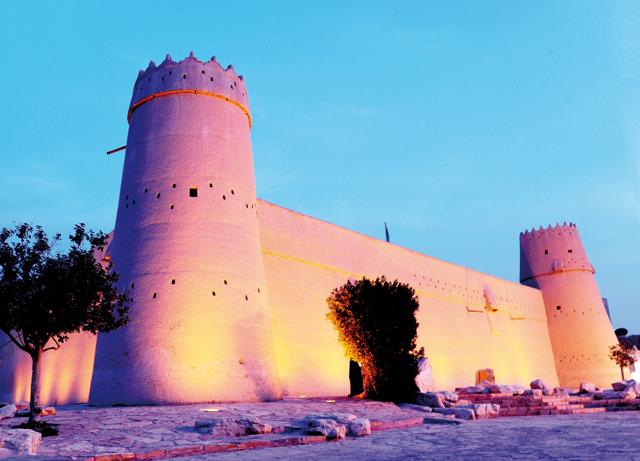
A National Museum came up on search, just about five kms from my hotel; a former palace with a library, art gallery and cultural exhibits. Unfortunately, it was closed. A friendly Saudi man, a government official who was set to call it a day at 2 pm (government offices work from 8 am to 2 pm on a full day of work) pointed me to the Masmak Museum instead.
Fortunately, this was open, and is housed on a site where Riyadh was conquered several times. A nicely presented
audio-visual experience showed how King Abd al-Aziz returned from exile in Kuwait in the early years of the 20th century to take over Riyadh from the Ottomans and make Saudi the country it is today.
Even more interesting was the coffee exhibition. Did you know that the origins of this addictive beverage, now enjoyed all over the world, are traced to Ethiopia, from where it made its way up to Arabia, and then to the rest of the world?
As I sipped from my complimentary cup, I wondered: Is Saudi really changing? I could see women driving, some not covering their heads… but they still wore loose clothing, and one friend with frizzy hair covered her head before posing for a picture.
On my last evening, as I found my way to a coffee shop to charge my phone, I was approached by a 20-something Arab man called Abdullah, who said, “We’re just starting our weekly English speaking club. Would you like to join in?”The club, EnglishCoffeeSA on Instagram, was a group of young Saudis, not all educated abroad, who thought in English and wanted to refine their speaking skills. So, they met for two hours every week, and spoke on various topics. Today’s was: Emotional Intelligence.
More on that, plus my chats with immigrant taxi drivers, the cities of Al Ula and Neom in Part 2 next week.
**
Wander Boy says, “Did you know K-pop was born out of the government wanting to create entertainment options for people hit by a huge financial crisis? Look it up, or better still, plan a trip…”
Follow @JamalShaikh on Instagram and Twitter
From HT Brunch, November 26, 2022
Follow us on twitter.com/HTBrunch
Connect with us on facebook.com/hindustantimesbrunch


